RPM Programs: What It Takes for Health Systems to Scale Successfully
Key Takeaways
- •Integration into existing workflows drives successful RPM scaling
- •Tiered analytics filter data, reducing clinician alert fatigue
- •Familiar, interoperable design boosts clinician adoption
- •Frictionless devices and education sustain patient engagement
- •CMS ACCESS model incentivizes outcome‑based RPM reimbursement
Pulse Analysis
The remote patient monitoring market has moved from pilot projects to enterprise‑wide initiatives, but the transition hinges on more than technology alone. Health systems that embed RPM into the care continuum treat it as a transformation of delivery, aligning change‑management, logistics, and interoperability from day one. This holistic approach turns monitoring into a routine operational function rather than a research curiosity, enabling hospitals to capture the full economic and clinical upside of continuous data streams.
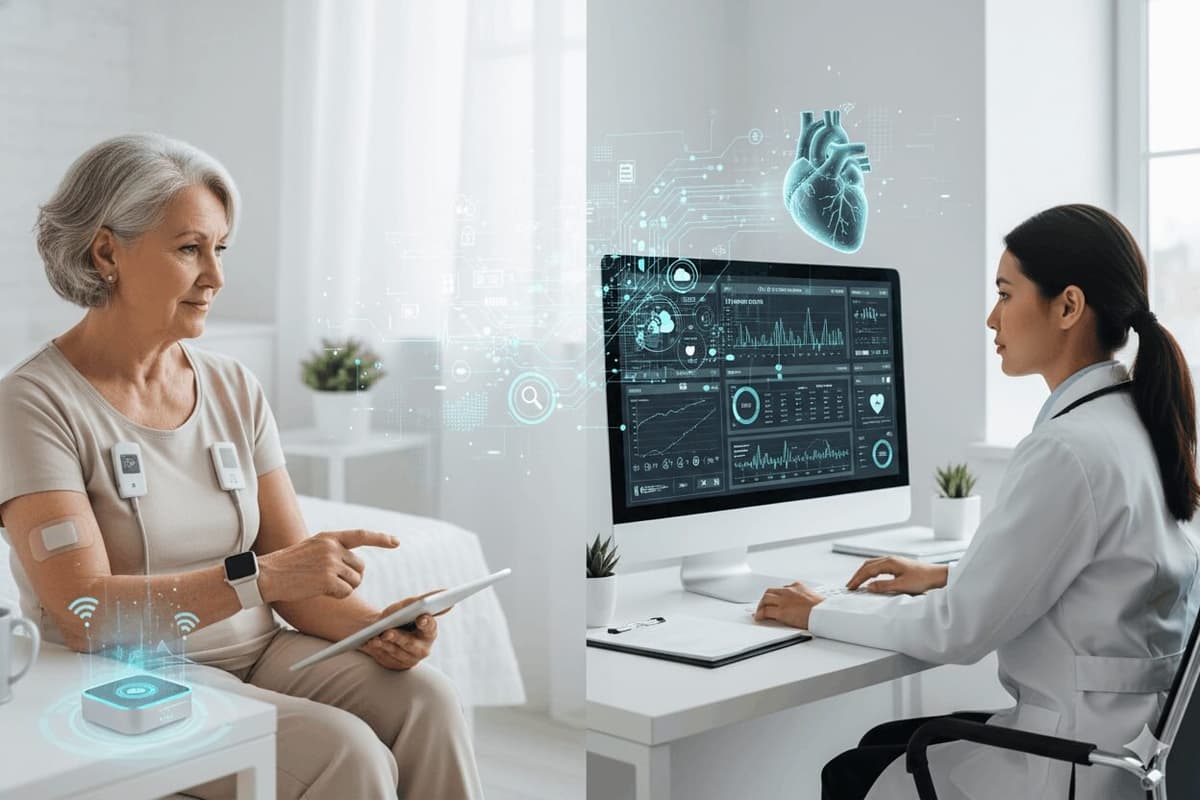
Clinician adoption remains the biggest barrier, largely because raw sensor data overwhelms providers. Vivalink’s tiered analytics engine exemplifies a solution: it ingests multi‑modal signals, applies institution‑specific thresholds, and surfaces only clinically relevant alerts to nurse‑led triage teams. By integrating these insights into familiar dashboards, the platform respects clinician bandwidth and curtails alert fatigue. Simultaneously, patient‑centric device design—plug‑and‑play wearables that blend into daily life—reduces friction, while targeted education and ongoing care‑team touchpoints keep patients engaged over months, not just weeks.
Reimbursement reforms are accelerating adoption. The CMS ACCESS model, a ten‑year voluntary initiative, shifts payment from fee‑for‑service to outcome‑based structures, rewarding health systems that demonstrate measurable improvements through RPM. This financial realignment encourages investment in scalable, interoperable platforms that can serve diverse populations, including digitally marginalized groups. Looking ahead, AI‑driven predictive analytics and unobtrusive multi‑parameter wearables will turn RPM from a reactive monitoring tool into a proactive care manager, further solidifying its role in the future of value‑based healthcare.
RPM Programs: What It Takes for Health Systems to Scale Successfully
Comments
Want to join the conversation?