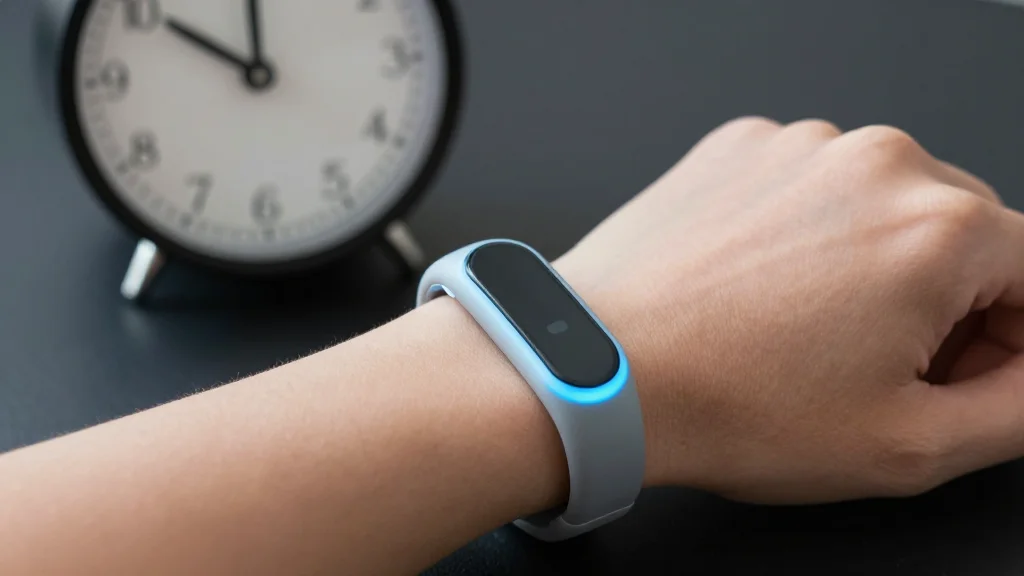
Sleep Trackers Flag Depression Relapse Early
Key Takeaways
- •Irregular sleep patterns double relapse risk
- •Dampened circadian rhythm predicts upcoming depressive episode
- •Wearable actigraphy captured 32,000 days of data
- •Early rhythm changes offer intervention window
- •Sample size limits generalizability
Pulse Analysis
Depression remains one of the most recurrent mental‑health conditions, and clinicians have long sought objective signals that precede a full‑blown episode. Recent research highlights that subtle disruptions in sleep architecture—particularly the loss of a clear day‑night contrast—can act as an early warning system. By focusing on the biological underpinnings of mood regulation, such as circadian rhythm stability, clinicians can move beyond symptom‑based assessments toward predictive, physiology‑driven care.
The study leveraged actigraphy, a non‑invasive wrist‑worn sensor that records movement to infer sleep and activity patterns. Over two years, participants generated an unprecedented dataset of roughly 32,000 monitoring days, allowing researchers to model minute‑by‑minute rhythm fluctuations. Unlike self‑reported questionnaires, continuous actigraphy offers granular, unbiased data that captures the dynamic nature of sleep‑wake cycles. The strongest predictor of relapse was a dampened circadian amplitude, indicating that the distinction between daytime activity and nighttime rest had blurred—a metric that traditional clinical visits often miss.
For health systems, integrating wearable‑derived biomarkers could transform relapse management. Early detection creates a therapeutic window for interventions such as sleep hygiene coaching, light‑therapy adjustments, or pre‑emptive medication tweaks, potentially averting severe episodes and reducing inpatient costs. However, broader adoption hinges on addressing current limitations: modest sample sizes, demographic homogeneity, and reliance on a single sensor modality. Future studies that combine actigraphy with heart‑rate variability, skin temperature, and environmental data may refine predictive algorithms, paving the way for personalized, real‑time mental‑health support.
Sleep trackers flag depression relapse early
Comments
Want to join the conversation?