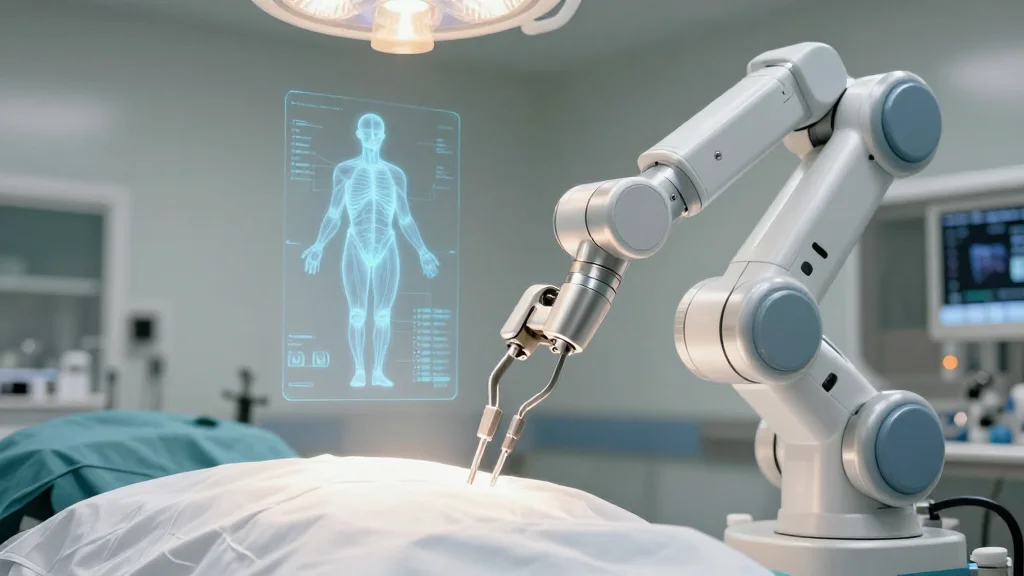
Surgical Robots: Getting Better All the Time
Key Takeaways
- •NHS aims for robotic assistance in 90% of keyhole surgeries by 2035.
- •AI-driven imaging provides real-time tissue classification and risk alerts.
- •Training centers expand to upskill surgeons on da Vinci and new platforms.
- •Patent strategies focus on modular, interoperable designs for scalable adoption.
- •Commercial success hinges on demonstrated safety, cost‑effectiveness, and workflow integration.
Pulse Analysis
The United Kingdom’s surgical landscape is undergoing a rapid transformation as robotic assistants move beyond simple instrument control toward AI‑enhanced decision support. Since the NHS listed 11 robotic systems for specific procedures last year, the volume of robot‑assisted cases has risen sharply, driven by real‑time imaging, tissue classification and haptic risk alerts. Advanced platforms now fuse pre‑operative scans with live video, allowing surgeons to see “no‑go” zones and receive instant guidance during high‑risk soft‑tissue operations such as neurosurgery. This shift promises reduced blood loss, shorter hospital stays and higher precision.
Despite technical progress, widespread adoption faces regulatory and human‑factor hurdles. UK regulators still require that a surgeon retain direct control, limiting the path to fully autonomous surgery. Public scepticism and the need for robust safety data mean that NICE’s conditional endorsement of the current 11 systems remains tied to ongoing evidence generation. Equally critical is the shortage of surgeons trained on AI‑driven interfaces; initiatives like the Winnersh robotic training centre aim to bridge this gap. Innovators therefore prioritize modular, interoperable designs and clear audit trails to satisfy both clinical governance and procurement criteria.
The commercial upside hinges on demonstrable clinical benefit and cost‑effectiveness. Trial data showing lower intra‑operative blood loss, faster recovery and reduced theatre time can unlock routine NHS funding and stimulate private‑sector uptake. Patent strategies that protect real‑time risk detection, sensor fusion and flexible software architectures—while avoiding narrow procedure‑specific claims—position companies for broader market penetration. As hardware costs decline and AI algorithms improve, the target of robotic assistance in nine out of ten keyhole surgeries by 2035 becomes attainable, opening a multi‑billion‑dollar opportunity for firms that can deliver safe, scalable solutions.
Surgical robots: getting better all the time
Comments
Want to join the conversation?