Key Takeaways
- •Real‑time slots boost patient access
- •Redundant data entry reduces workflow efficiency
- •Mobile‑only app limits device flexibility
- •15‑minute virtual visits can remain thorough
- •System integration remains critical
Pulse Analysis
The pandemic accelerated telehealth adoption, but the real test now lies in turning virtual visits into a sustainable front door for primary care. With primary‑care physician shortages projected to exceed 100,000 positions by 2030, patients increasingly demand convenient, digital‑first options. Health systems that embed virtual practices into their core offerings can capture this demand, reduce wait times, and improve population health metrics. Yet, the shift requires more than video calls; it demands interoperable platforms that pull existing patient data, streamline insurance verification, and support multi‑device access.
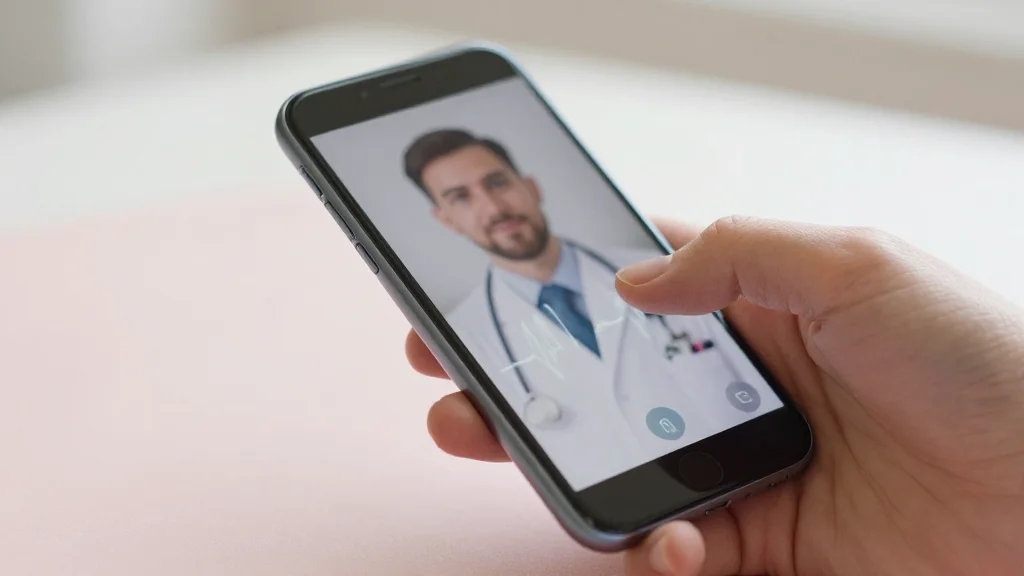
In the case study, the virtual‑care program delivered on its promise of rapid scheduling—89 open slots were visible for the same day—demonstrating how real‑time availability can alleviate access bottlenecks. The physician’s thorough, unhurried interaction proved that concise video visits can match in‑person quality when clinicians have the right information. Conversely, the need to re‑enter insurance details and the lack of a laptop option exposed friction points that erode patient trust. These usability gaps are not technical failures but design oversights that become evident only when leaders experience the system as patients.
For health‑IT executives, the lesson is clear: continuous, patient‑centric testing is essential. Integrating virtual platforms with electronic health records, automating data pre‑population, and offering both mobile and desktop interfaces will close the last mile of digital transformation. As virtual care matures from a pandemic stopgap to a core service line, organizations that prioritize seamless integration will capture higher satisfaction scores, lower administrative costs, and stronger competitive positioning in an increasingly digital health marketplace.
The Front Door Test
Comments
Want to join the conversation?