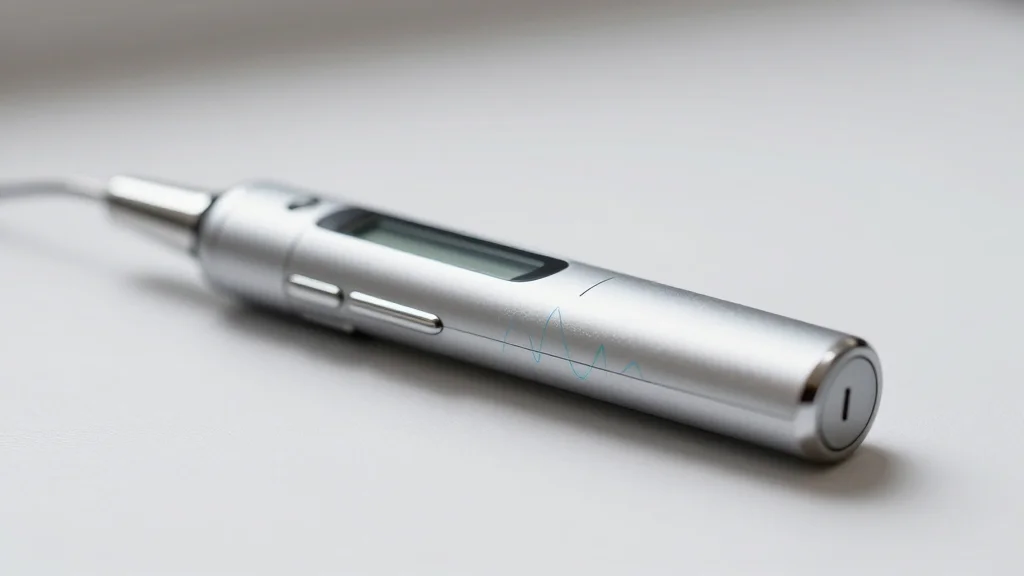
4D EMR Launches 4D Scribe, AI Scribe that Restores 60% of Clinicians' Charting Time

Companies Mentioned
Why It Matters
Reducing documentation time directly addresses physician burnout, a leading factor in workforce shortages across the United States. By recapturing up to five hours of charting per week, 4D Scribe could improve patient‑provider interaction, increase appointment capacity, and lower operational costs for aesthetic surgery practices. Moreover, the product illustrates how AI is moving from generic transcription services to tightly integrated, specialty‑specific workflows, setting a precedent for other niche medical domains. If the productivity claims are validated, the financial incentive—$260,000 per provider annually—could accelerate AI adoption across smaller practices that have historically lagged behind large health systems. This shift may pressure larger EMR vendors to offer comparable embedded AI tools, intensifying competition and potentially driving down costs for end users.
Key Takeaways
- •4D EMR unveiled 4D Scribe, an AI scribe that restores ~60% of charting time
- •Early data show clinicians reclaim 5 hours per week, worth $5,000 weekly
- •Annual recaptured value estimated at $260,000 per provider
- •Product debuted at The Aesthetic MEET 2026, Booth #1039, Boston
- •Embedded in a plastic‑surgery‑focused EMR, targeting ~5,000 specialty clinics
Pulse Analysis
The launch of 4D Scribe marks a strategic inflection point for specialty EMR vendors. Historically, niche platforms have competed on depth of clinical templates and compliance, leaving AI augmentation to larger players like Epic and Cerner. By embedding a high‑accuracy, ambient‑listening scribe directly into its core product, 4D EMR is leveraging its existing user base to create a defensible moat. The claimed 60% reduction in documentation time is ambitious, but if realized, it could shift the economics of practice management: providers may reallocate saved hours to higher‑margin services, while insurers could see faster claim submissions.
From a competitive standpoint, the move forces broader EMR vendors to reconsider their integration strategies. Rather than offering a one‑size‑fits‑all AI layer, they may need to develop specialty‑specific modules or acquire niche players. This could spark a wave of M&A activity in the health‑tech AI space, as larger firms seek to plug gaps in their AI portfolios. At the same time, the success of 4D Scribe will depend on user trust in AI‑generated notes, especially under regulatory scrutiny for documentation accuracy and billing compliance.
Looking ahead, the key variables will be adoption velocity and real‑world performance. Early adopters will likely be early‑stage practices eager to differentiate on efficiency, while larger groups may adopt more cautiously, awaiting peer‑reviewed outcomes. If 4D EMR can demonstrate consistent accuracy across diverse patient populations and language accents, the model could be replicated in other procedural specialties—orthopedics, dermatology, and ophthalmology—potentially reshaping the entire EMR market toward AI‑first architectures.
4D EMR launches 4D Scribe, AI scribe that restores 60% of clinicians' charting time
Comments
Want to join the conversation?
Loading comments...