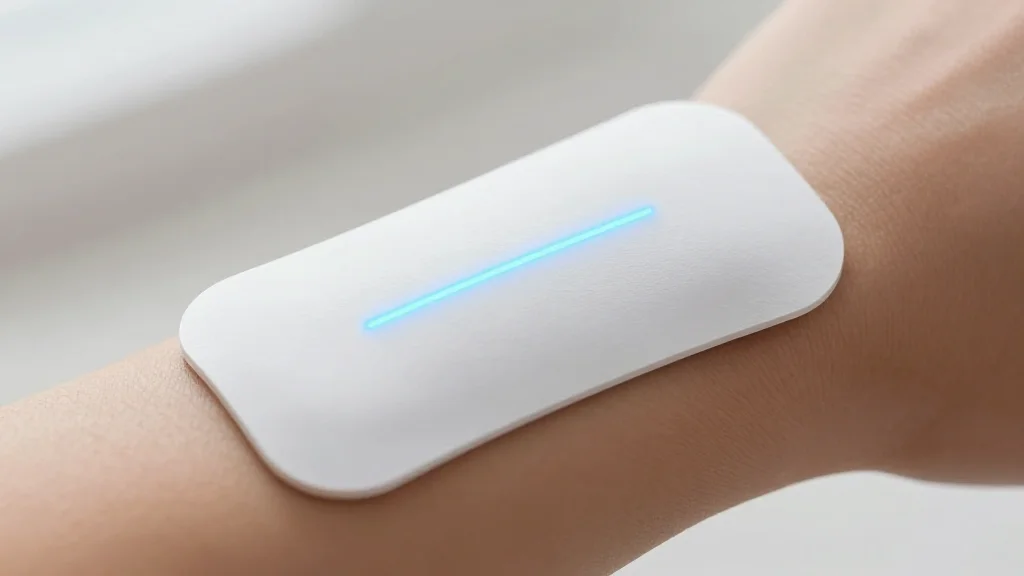
Abbott Launches New Cardiovascular Diagnostics and Wearables, Expanding Digital Health Portfolio

Companies Mentioned
Why It Matters
The introduction of Lingo and accompanying wearables signals a strategic shift for Abbott from a pure hardware manufacturer to a data‑centric health‑technology provider. By embedding analytics into point‑of‑care and remote monitoring solutions, Abbott can create continuous revenue streams that are less vulnerable to the cyclical nature of device sales. This transition also raises the bar for competitors, accelerating the overall digitization of cardiology care. For investors, the move offers a potential new growth lever at a time when Abbott’s traditional device segments have faced margin pressure. Successful adoption could improve earnings visibility and reposition the stock relative to other health‑tech peers that are further along the digital integration curve.
Key Takeaways
- •Abbott unveiled the Lingo biomarker device and new cardiovascular wearables on May 24, 2026.
- •Stock trades at $87.41, up 3.5% this week but down 29.6% YTD and 32.1% over the past year.
- •Products aim to generate recurring data‑driven revenue and deepen hospital relationships.
- •Competitors Medtronic, Boston Scientific and Dexcom are also expanding digital cardiac ecosystems.
- •FDA clearance and hospital rollout are targeted for the second half of 2026.
Pulse Analysis
Abbott’s latest push into digital cardiology reflects a broader industry trend where data ownership is becoming as valuable as the physical device itself. Historically, Abbott has built its reputation on high‑volume, low‑margin hardware such as stents and glucose monitors. The Lingo platform marks a deliberate pivot toward high‑margin software and services, mirroring moves by peers like Dexcom, which has successfully monetized continuous glucose monitoring data.
The timing is noteworthy. Abbott’s recent Exact Sciences acquisition gave it a foothold in molecular diagnostics, and the new cardiovascular tools could serve as a bridge between molecular and device data, creating a unified patient view. If Abbott can integrate these streams effectively, it may unlock cross‑selling opportunities that competitors will find hard to replicate without similar breadth.
However, the path is fraught with execution risk. The company must navigate complex reimbursement landscapes and convince clinicians to replace entrenched workflows with new wearables. Early adopters will be critical; a handful of large health systems embracing the technology could provide the case studies needed to drive broader market acceptance. Conversely, a sluggish rollout could exacerbate margin pressure, especially as R&D spend climbs.
In the short term, the market’s modest share price uptick suggests cautious optimism. Investors appear to be pricing in the potential upside of a recurring‑revenue model while still accounting for the execution uncertainties. The next six months—when FDA decisions and initial hospital deployments occur—will likely determine whether Abbott’s digital health bet translates into a durable earnings catalyst or remains a speculative growth narrative.
Abbott Launches New Cardiovascular Diagnostics and Wearables, Expanding Digital Health Portfolio
Comments
Want to join the conversation?
Loading comments...