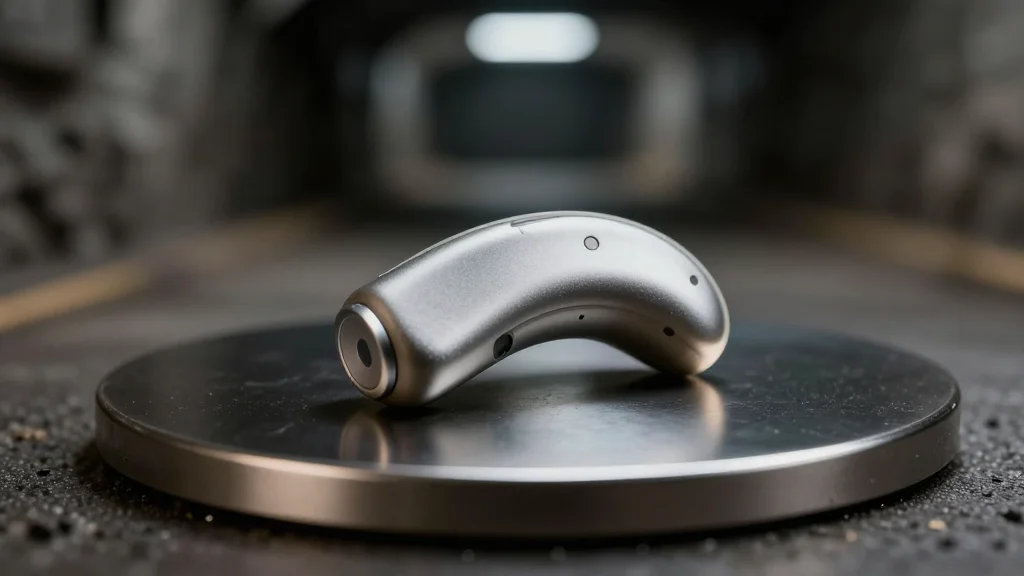
Advanced Hearing Aids: Tiny Magnets for Better Sound
Key Takeaways
- •NdFeB magnets shrink receivers while boosting sound quality
- •Dysprosium stabilizes magnets at high temperatures
- •China controls over 70% of rare‑earth supply
- •Global hearing‑aid market grows 6.8% annually
- •Recycling small devices could offset future material shortages
Pulse Analysis
Modern hearing aids have become miniature digital assistants, using AI to isolate speech, Bluetooth to stream audio, and rechargeable batteries for all‑day wear. Those capabilities hinge on components that pack high magnetic flux and efficient light conversion into a space no larger than a grain of rice. Neodymium‑iron‑boron (NdFeB) magnets deliver the necessary force for tiny receivers, while dysprosium and terbium alloying prevents demagnetization during charging cycles. Similarly, europium‑based phosphors give LED status indicators vivid color with micro‑ampere currents. Without these rare‑earth materials, the leap from bulky amplifiers to sleek, smart devices would be impossible.
The rapid adoption of advanced aids masks a fragile upstream ecosystem. Over 70 % of rare‑earth mining, refining, and magnet production resides in China, and only a handful of separation plants worldwide can isolate heavy elements like dysprosium and terbium. Any geopolitical tension or environmental regulation can tighten supplies, raising costs for manufacturers that must meet strict medical‑device standards. Recycling offers a partial remedy, yet the sub‑gram quantities in each aid and the medical‑waste classification make collection and re‑processing technically challenging. Industry pilots are exploring magnet recovery from returned devices, but scale remains limited.
Looking ahead, manufacturers are reducing heavy‑rare‑earth content through grain‑boundary diffusion and adopting corrosion‑resistant coatings that extend device life. While ferrite magnets may replace REE magnets in peripheral accessories, core receivers will likely retain neodymium‑based alloys for the foreseeable future. Policy shifts, such as over‑the‑counter hearing‑aid approvals in the United States, will expand market volume and intensify material demand. Companies are diversifying supplier bases, stockpiling critical components, and designing for easier disassembly in larger accessories. These strategies, combined with incremental recycling advances, aim to safeguard the supply chain that underpins the next generation of hearing technology.
Advanced Hearing Aids: Tiny Magnets for Better Sound
Comments
Want to join the conversation?