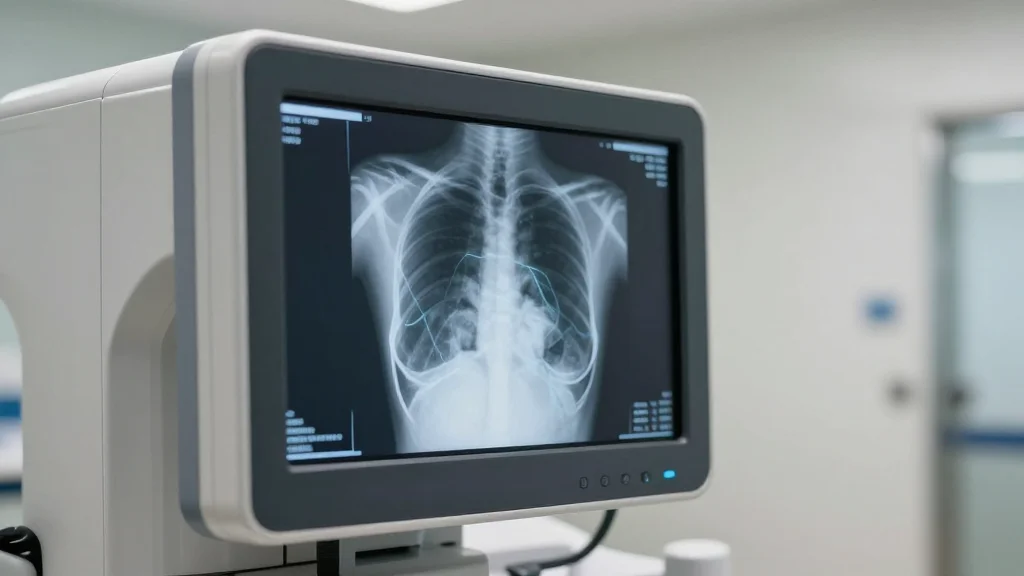
AI-Assisted Breast Cancer Screening Study Shows Promise to Ease NHS Workload

Companies Mentioned
Why It Matters
The NHS breast screening programme screens millions of women each year, yet it faces chronic staffing shortages and rising demand. Demonstrating that AI can safely replace one of two human readers could dramatically reduce radiologist workload, lower operational costs, and maintain—or even improve—cancer detection rates. Moreover, the study validates the use of large, real‑world imaging datasets for AI training, setting a precedent for other diagnostic domains. Beyond the UK, the findings provide a template for health systems worldwide that grapple with similar workforce constraints. Successful integration of AI into routine screening could accelerate the adoption of similar tools for lung, colorectal, and cervical cancer programs, reshaping preventive oncology on a global scale.
Key Takeaways
- •Study analyzed data from >125,000 women, the largest NHS AI breast‑screening trial.
- •AI plus one human reader matched the diagnostic accuracy of two specialist readers.
- •AI detected more cancers than a single human reader in standalone testing.
- •Collaboration involved Royal Surrey NHS Trust, Imperial College London, St George’s NHS Trust, and Google Research.
- •Findings published in *Nature Cancer* and could lead to pilot deployments in NHS trusts.
Pulse Analysis
The AIMs study arrives at a time when the NHS is under unprecedented pressure to deliver high‑quality cancer screening amid budget constraints and a shrinking radiology workforce. Historically, the double‑reading model has been the gold standard for mammography, but it is resource‑intensive. By proving that an AI‑augmented single‑reader workflow can achieve comparable sensitivity and specificity, the study challenges the status quo and offers a scalable solution.
From a market perspective, the validation of Google's AI in a real‑world NHS setting could catalyze further investment in AI diagnostics across Europe and North America. Venture capital has already poured billions into health‑AI startups, yet regulatory and clinical acceptance remain hurdles. This peer‑reviewed evidence, backed by a national health system, may lower the risk perception for investors and accelerate the pipeline of AI‑driven imaging tools.
Looking ahead, the key to widespread adoption will be rigorous prospective trials and clear regulatory pathways. The NHS’s willingness to pilot the technology will likely influence other public health systems. If successful, the AI model could be extended to other imaging modalities, creating a ripple effect that reshapes preventive care. However, stakeholders must navigate ethical concerns around algorithmic bias, data privacy, and the need for continuous performance monitoring to ensure that AI augments, rather than replaces, clinical expertise.
AI-Assisted Breast Cancer Screening Study Shows Promise to Ease NHS Workload
Comments
Want to join the conversation?
Loading comments...