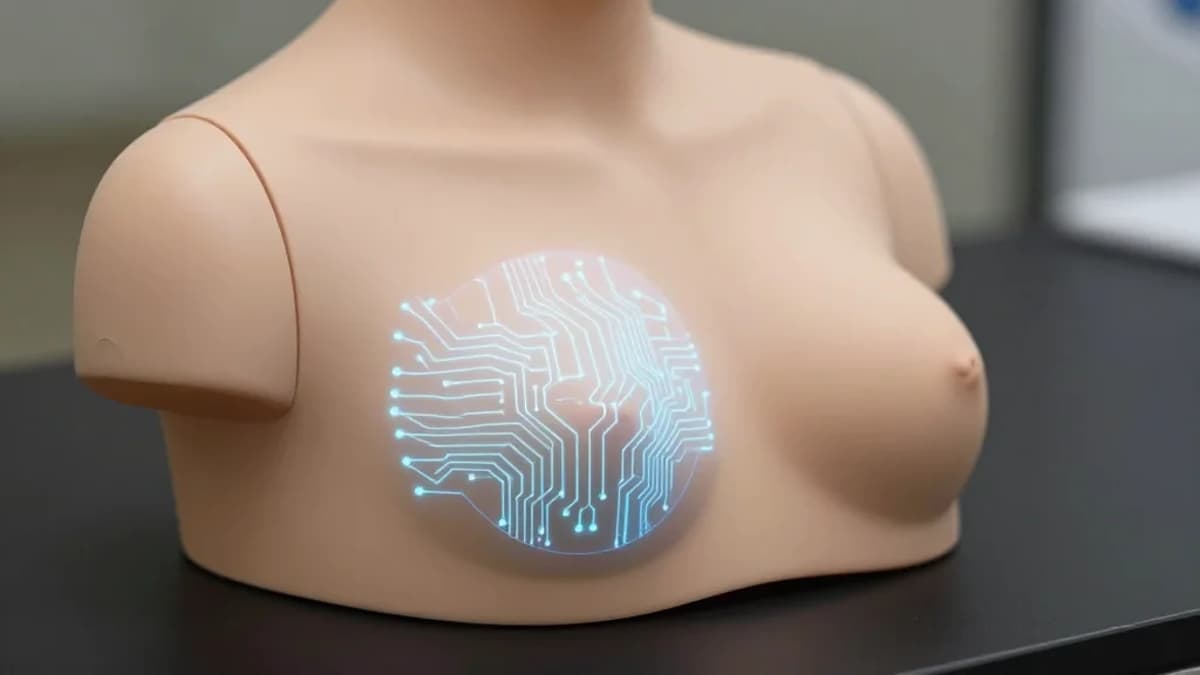
AI Bolsters Breast Radiologists’ Cancer Detection Rate, Real World Study Finds
•February 23, 2026
0
Why It Matters
The findings demonstrate that AI can enhance diagnostic sensitivity while maintaining workflow efficiency, addressing radiologist fatigue and potentially improving patient outcomes in breast cancer screening.
Key Takeaways
- •AI raised cancer detection rate 22% without higher recalls
- •Invasive cancer detection increased 26% with AI assistance
- •Dense‑breast cancer detection improved from 37.2% to 45%
- •Lobular cancer detection doubled, enhancing early-stage identification
- •Study covered >100,000 exams across four U.S. sites
Pulse Analysis
The integration of artificial intelligence into breast imaging workflows marks a pivotal shift for radiology departments grappling with rising volumes of 3D mammography. By automating the initial triage of tomosynthesis data, AI algorithms can highlight subtle patterns—such as architectural distortion—that often elude even seasoned radiologists. This study’s 22 percent boost in overall cancer detection, achieved without a measurable increase in recall rates, suggests that AI can augment human expertise without adding to patient anxiety or downstream imaging costs.
Beyond raw detection metrics, the AI’s impact on specific cancer subtypes underscores its clinical relevance. Invasive lobular carcinoma, which accounts for roughly 10‑15 percent of invasive cases, traditionally presents diagnostic challenges due to its diffuse growth pattern. The observed doubling of lobular cancer identification signals that AI may be particularly adept at recognizing nuanced tissue architecture, enabling earlier intervention and potentially improving five‑year survival statistics. Moreover, the heightened sensitivity in dense breast tissue—where mammographic visibility is limited—addresses a long‑standing gap in screening equity, offering a tool to reduce disparities in diagnostic outcomes.
Looking ahead, the study’s multi‑site design and sizable cohort provide a robust evidence base for broader adoption, yet it also highlights the need for continued prospective trials. Stakeholders must evaluate cost‑effectiveness, integration with existing PACS systems, and the regulatory landscape as AI becomes a standard adjunct in breast cancer screening. For health systems, the promise of higher detection rates coupled with stable recall percentages could translate into better population health metrics and a stronger value proposition for preventive oncology programs.
AI bolsters breast radiologists’ cancer detection rate, real world study finds
0
Comments
Want to join the conversation?
Loading comments...