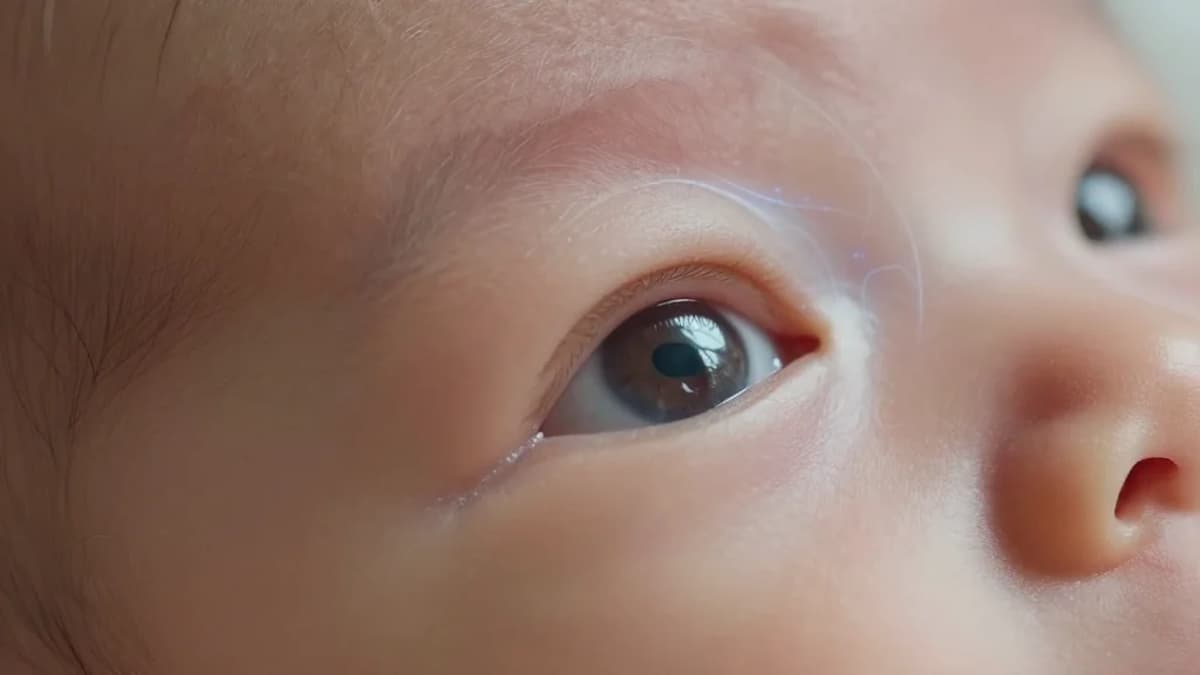
AI Spots Heart and Lung Conditions in Eye Images of Premature Infants
•March 5, 2026
0
Why It Matters
Early, non‑invasive identification of BPD and PH allows clinicians to intervene sooner, potentially improving survival and reducing reliance on invasive diagnostics; the approach builds on an already established screening workflow, lowering adoption barriers for NICUs.
Key Takeaways
- •AI predicts BPD with 82% accuracy from retinal images
- •PH detection reaches 91% accuracy using combined data
- •Algorithm works even without visible ROP signs
- •Utilizes routine ROP screening, easing clinical adoption
- •Early diagnosis may reduce invasive procedures and improve survival
Pulse Analysis
Oculomics, the study of ocular biomarkers for systemic disease, has gained traction as imaging technologies become more sophisticated. The retina’s microvasculature mirrors the body’s circulatory health, making it a fertile ground for AI‑driven insights. By training deep‑learning models on thousands of retinal scans, researchers can uncover patterns linked to pulmonary and cardiac stress that are imperceptible to the human eye, expanding the diagnostic utility of a simple photograph beyond eye health.
The recent multi‑institutional trial involving 493 premature infants demonstrates the practical potential of this concept. When retinal images were paired with basic demographic and clinical data, the algorithm correctly identified bronchopulmonary dysplasia in 82% of cases and pulmonary hypertension in 91%, outperforming image‑only models. Notably, the performance remained robust after excluding images with obvious ROP manifestations, suggesting the AI captures distinct physiological signals rather than merely echoing eye‑disease markers. These accuracy levels approach thresholds that could justify clinical decision‑support integration, especially in NICUs already performing routine ROP imaging.
Adoption hinges on workflow compatibility and regulatory acceptance. Since most level‑III NICUs already capture retinal photographs for ROP screening, embedding an AI analytics layer requires minimal additional hardware, primarily software integration and validation. Early detection of BPD and PH could shift care pathways toward proactive respiratory management, reducing the need for invasive catheterizations or high‑resolution CT scans. As health systems prioritize value‑based care, technologies that leverage existing data to improve outcomes are likely to attract investment, paving the way for broader oculomic applications across pediatric and adult medicine.
AI spots heart and lung conditions in eye images of premature infants
0
Comments
Want to join the conversation?
Loading comments...