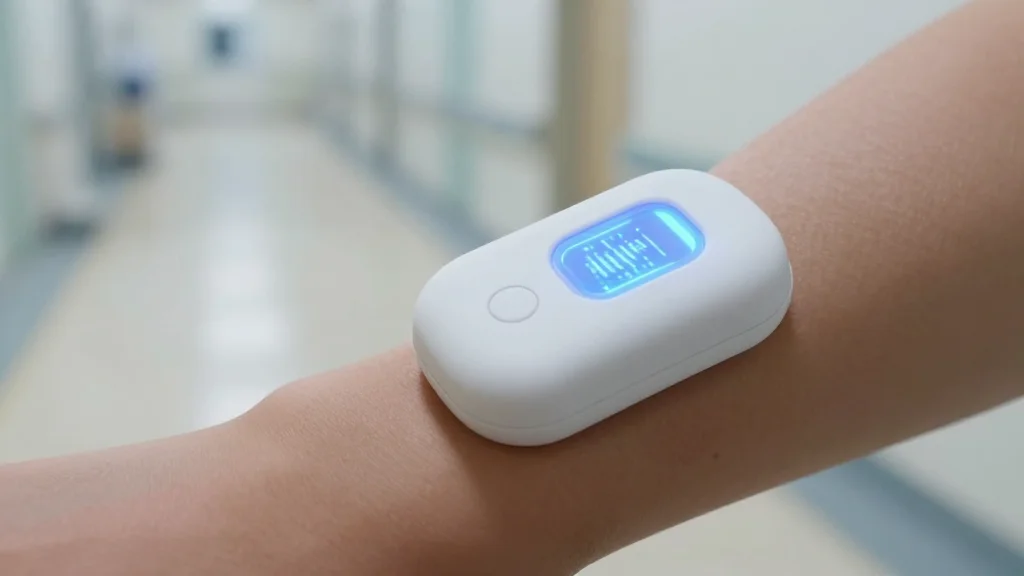
AI Tool Helps Remote Monitoring Clinics Explore Patient Data
Why It Matters
Ask Atlas transforms massive remote‑monitoring data into actionable intelligence, accelerating diagnosis and resource allocation while reducing clinician workload. Its high‑accuracy AI could set a new standard for data‑driven cardiac care across the industry.
Key Takeaways
- •Ask Atlas answers clinical queries in seconds via natural language.
- •AI layer eliminates manual chart review and custom analytics requests.
- •System reports >99% specificity, sensitivity, and accuracy.
- •Clinicians can query device, EHR, workflow, and billing data.
Pulse Analysis
The explosion of cardiac device data has outpaced clinicians’ ability to synthesize it, creating a bottleneck in remote‑monitoring clinics. Ask Atlas leverages large‑language‑model techniques to index transmissions, electronic health record fields, and operational metrics, delivering instant, natural‑language answers. This shift mirrors broader trends where AI acts as a conversational front‑end to complex health‑tech stacks, reducing reliance on data engineers and enabling physicians to focus on patient care rather than data wrangling.
Beyond speed, the reported >99% specificity and sensitivity suggest that AI can match—or even surpass—human experts in flagging clinically relevant events. By automating the extraction of key findings and structuring reports, the platform minimizes false positives that traditionally trigger unnecessary interventions. The human oversight by IBHRE‑certified specialists ensures regulatory compliance and maintains clinical trust, a critical balance as AI tools gain traction in high‑stakes environments like electrophysiology.
For the broader market, Ask Atlas signals a competitive pivot toward AI‑first remote‑monitoring solutions. Vendors that embed conversational analytics can differentiate themselves by offering tighter integration with billing and workflow systems, potentially improving revenue cycles and reducing administrative overhead. As payers increasingly demand outcome‑based metrics, tools that quickly surface gaps—such as patients with low ejection fractions not on guideline‑directed therapy—could become essential for value‑based care contracts. Octagos’ move may prompt accelerated adoption of similar AI layers across cardiology platforms, reshaping how data informs both clinical and operational decisions.
AI tool helps remote monitoring clinics explore patient data
Comments
Want to join the conversation?
Loading comments...