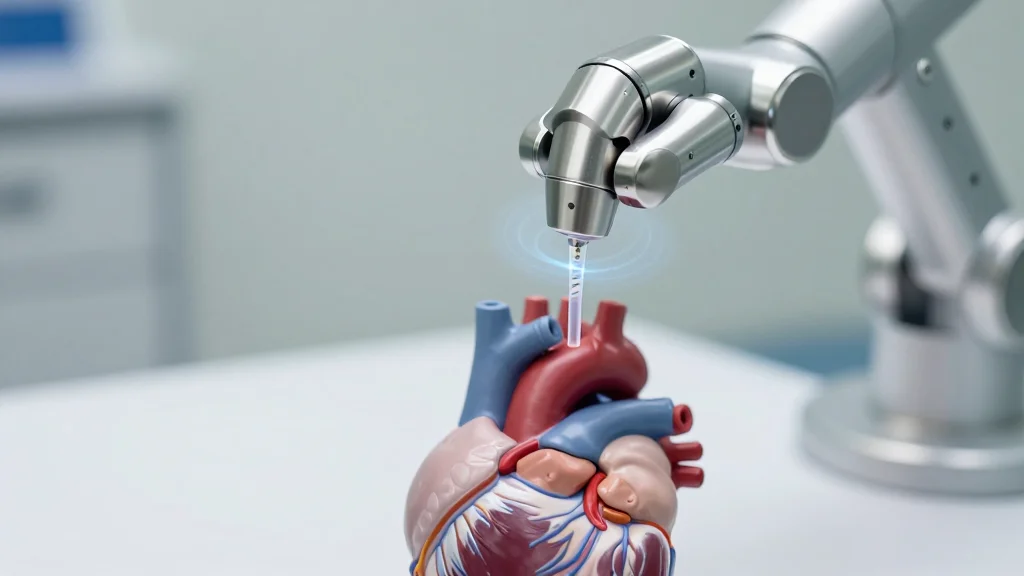
Cardiologist Makes ‘Magic,’ Performs First Procedure in US with New-Look Ablation Catheter
Companies Mentioned
Why It Matters
The procedure shows robotic magnetic catheters can overcome anatomical challenges, boosting success and safety for complex arrhythmia cases. Wider adoption could reshape electrophysiology workflows and drive growth in the med‑tech market.
Key Takeaways
- •FDA approved Stereotaxis' Magic catheter in January 2026.
- •First US procedure performed on complex congenital heart disease patient.
- •Magnetic navigation provides superior stability and precise energy delivery.
- •Procedure accessed cavotricuspid isthmus via basilic vein, reducing invasiveness.
- •Early adopters anticipate wider use for complex arrhythmia treatments.
Pulse Analysis
Robotic magnetic navigation has moved from niche research labs into mainstream cardiac care, and Stereotaxis is at the forefront. The company’s Magic Magnetic Interventional Ablation Catheter, cleared by the FDA earlier this year, integrates a rounded ablation tip, a helical fluid‑cooling channel, and specially tuned magnets to work seamlessly with its magnetic navigation platform. This synergy offers clinicians computer‑controlled magnetic fields that steer the catheter with sub‑millimeter precision, a capability that traditional manual catheters struggle to match, especially in patients with intricate cardiac anatomy.
In the inaugural U.S. case, Dr. Nathan McConkey at OHSU leveraged the Magic catheter to treat a congenital heart‑disease patient plagued by atrial flutter that had defied conventional ablation attempts. By accessing the cavotricuspid isthmus through the basilic vein, the system delivered consistent contact force and stable energy output, resulting in symptom‑free weeks after the procedure. The catheter’s cooling channel prevented overheating, while the magnetic guidance reduced operator fatigue and enhanced lesion accuracy, underscoring a tangible clinical advantage over older magnetic or manual tools.
The successful deployment signals a broader shift toward automation in electrophysiology. Hospitals facing rising arrhythmia volumes and demanding procedural precision are likely to consider magnetic navigation as a cost‑effective alternative to purely robotic or manual approaches. As early adopters like Baptist Health Lexington expand usage, manufacturers may see accelerated revenue streams and increased R&D investment in next‑generation magnetic platforms. Ultimately, the technology could set new standards for safety, reduce procedure times, and open pathways for treating previously inoperable cardiac substrates.
Cardiologist makes ‘Magic,’ performs first procedure in US with new-look ablation catheter
Comments
Want to join the conversation?
Loading comments...