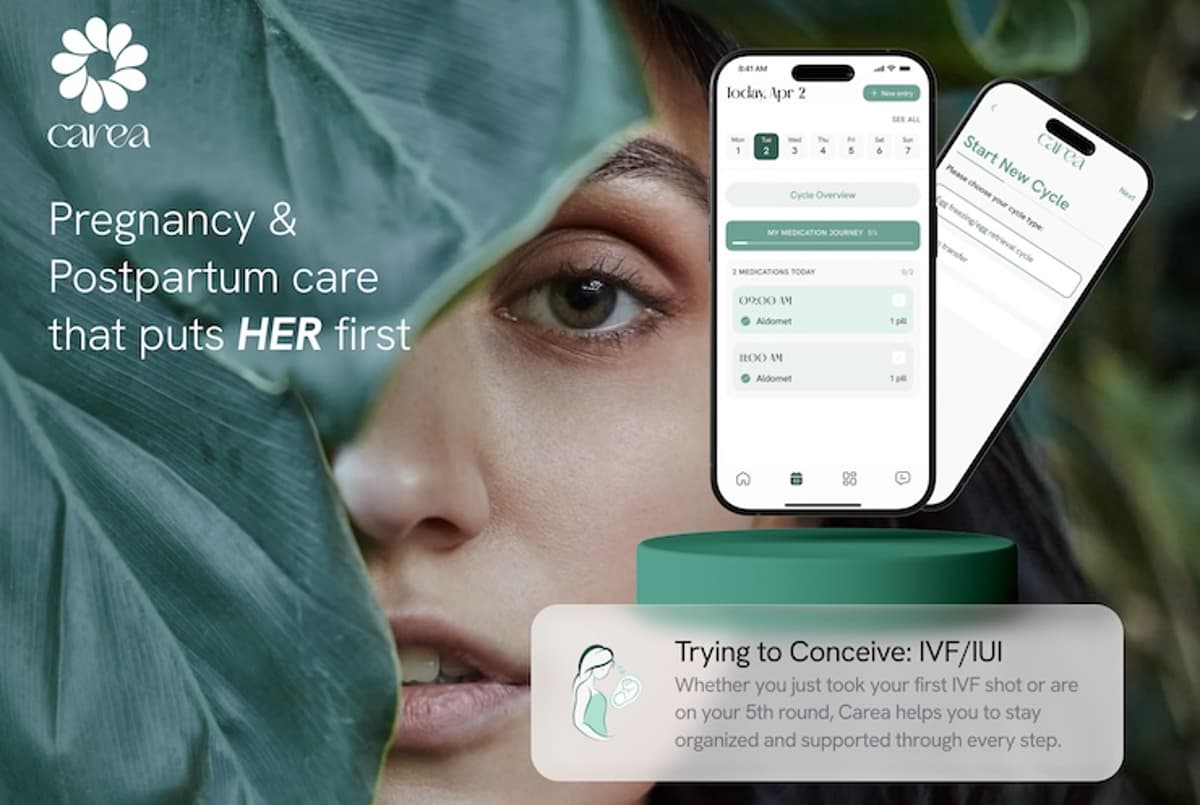
Carea Launches Support Platform for Complex Fertility Treatment
•February 25, 2026
0
Why It Matters
With NHS IVF cycles covering only 27% of treatments, most UK patients pay privately and lack continuous clinical support; Carea’s digital companion bridges that gap, potentially improving adherence and outcomes. The tool also addresses the growing emotional and logistical burden on women navigating complex fertility protocols.
Key Takeaways
- •Carea adds IVF/IUI mode with medication tracker.
- •Feature offers video guides, reminders, progress bar.
- •Free within app, supports private fertility patients.
- •Addresses UK IVF access gaps and emotional support.
- •Upcoming Healing After Loss mode expands support suite.
Pulse Analysis
The journey through in‑vitro fertilisation (IVF) or intra‑uterine insemination (IUI) has become increasingly medicalised, yet the day‑to‑day burden falls on patients. Carea’s newly launched ‘Trying to Conceive: IVF/IUI’ mode transforms its pregnancy‑focused platform into a dedicated fertility companion. By allowing users to upload personalised treatment plans, the app synchronises medication schedules, delivers step‑by‑step video instructions and prompts users to confirm each dose. A visual progress bar and curated content keep women informed and motivated, turning a fragmented experience into a structured, supportive routine.
In the United Kingdom, NHS‑funded cycles cover only a quarter of all IVF attempts, pushing the majority of couples into costly private care. With a single cycle often costing several thousand pounds plus medication, many patients lack continuous clinical oversight. Carea’s free‑to‑use mode fills that gap by providing real‑time guidance, reducing missed injections and alleviating anxiety. The built‑in reminders and expert‑led articles act as a virtual nurse, offering consistent reassurance between appointments and potentially improving adherence, which is linked to higher success rates.
The launch signals a broader shift toward digital health solutions that complement traditional fertility clinics. By collaborating with specialists such as Dr. Anil Gudi, Carea ensures clinical credibility while scaling personalised support. Upcoming features like the ‘Healing After Loss’ mode will address emotional recovery after failed cycles, further deepening the ecosystem. As more women delay childbearing and demand flexible care, platforms that combine medication tracking, education and mental‑wellness are poised to become standard adjuncts, influencing both patient outcomes and the fertility services market.
Carea launches support platform for complex fertility treatment
0
Comments
Want to join the conversation?
Loading comments...