Companies Mentioned
Why It Matters
The modest but growing uptake signals a shift toward in‑office manufacturing that could reshape practice economics and patient turnaround, while highlighting material and skill gaps that vendors must solve to unlock full chairside potential.
Key Takeaways
- •~15% of U.S. dental offices currently use chairside 3D printing
- •Adoption outpaces chairside milling but lags behind intra‑oral scanners (>60%)
- •Final restorations remain milled for superior aesthetics and material strength
- •High adoption found in practices with integrated lab setups and digital workflows
Pulse Analysis
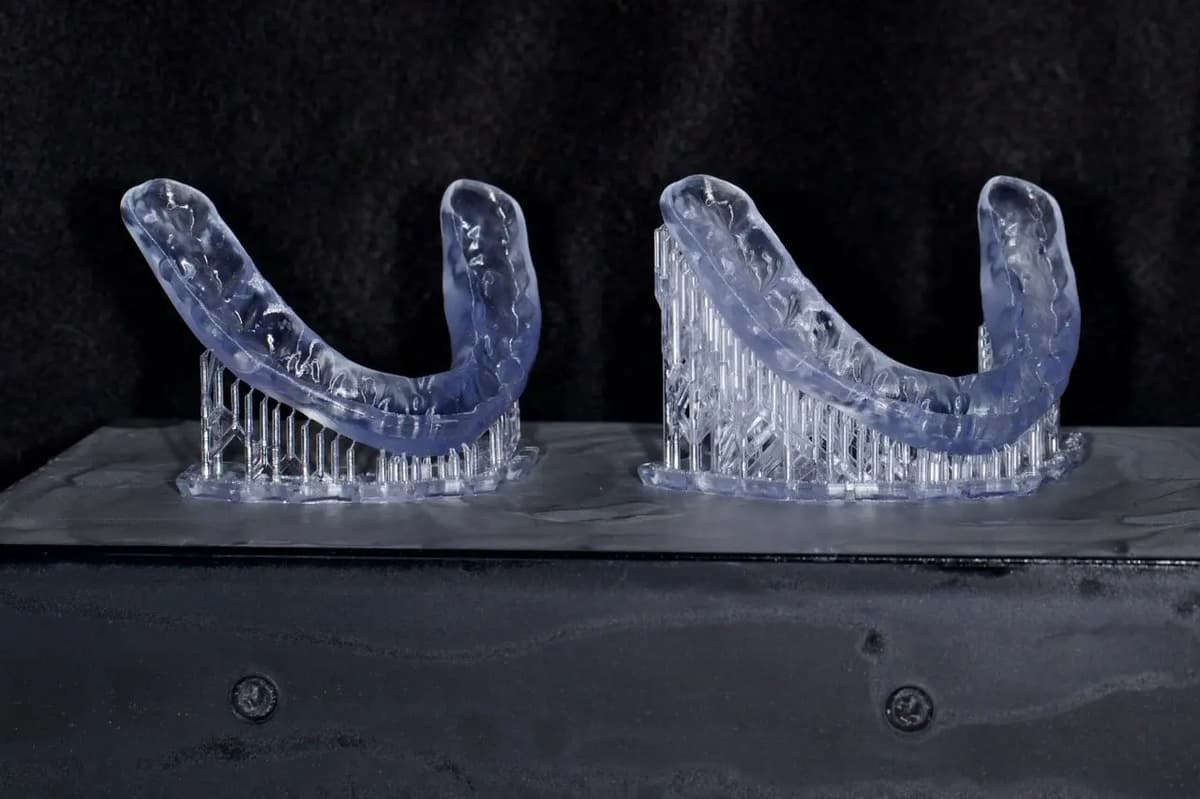
The promise of chairside additive manufacturing in dentistry stems from its ability to produce patient‑specific devices on demand, reducing the logistical chain between impression and delivery. Early adopters praised the speed of producing surgical guides or night guards within a single appointment, a compelling value proposition for both clinicians and patients seeking immediate solutions. However, the technology’s evolution has been tempered by the need for reliable, biocompatible resins that match the strength and translucency of traditionally milled ceramics, a hurdle that continues to limit its use for definitive restorations.
Recent market data reveal that only about one in six U.S. practices have integrated a chairside 3D printer, a figure that eclipses the roughly 10% adoption rate for milling but trails the 60% penetration of intra‑oral scanners and lab‑based printers. Practices with a dedicated in‑house lab and a robust digital workflow are the outliers, leveraging the printer to fabricate provisional crowns, diagnostic models, and orthodontic appliances. Yet many offices cite insufficient case volume and the steep learning curve for material handling as deterrents, reinforcing the notion that chairside printing remains a niche capability rather than a universal standard.
Looking ahead, material science breakthroughs and streamlined software interfaces could accelerate mainstream acceptance. Resin manufacturers are investing heavily in formulations that deliver ceramic‑like aesthetics without compromising print speed, while printer vendors bundle training modules to lower the expertise barrier. If these developments materialize, we can expect a gradual migration of more complex restorations to the chairside environment, reshaping revenue models for dental groups and potentially compressing the traditional lab‑to‑clinic timeline. Stakeholders should monitor these trends closely, as they will dictate the next wave of digital disruption in oral health care.
Chairside dental AM: From all sides
Comments
Want to join the conversation?
Loading comments...