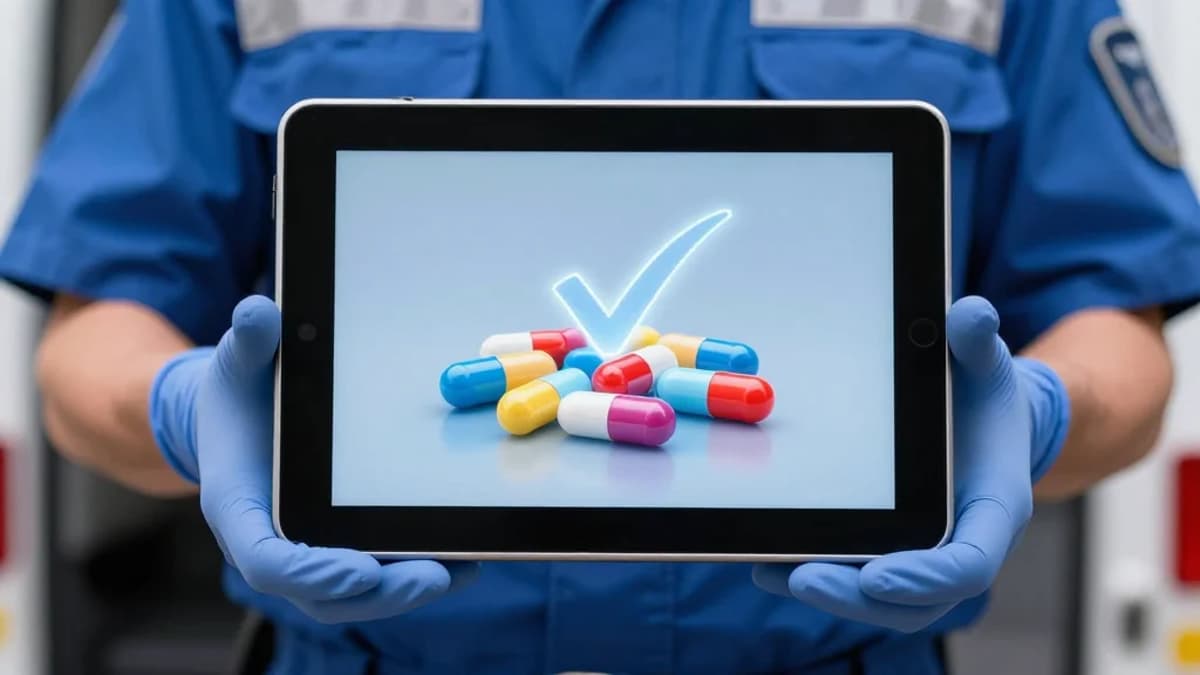
Cleveland Hospital Partners with OneDose for EMS-Specific Medication Safety
•March 4, 2026
0
Why It Matters
The solution dramatically improves pre‑hospital medication safety and operational efficiency, setting a new industry standard for EMS agencies.
Key Takeaways
- •eMACC digitizes EMS medication cross‑checks.
- •Reduces medication errors by over 40%.
- •Updates protocols instantly via OneDose app.
- •Supports more than 300 EMS agencies statewide.
- •University Hospitals led beta testing and rollout.
Pulse Analysis
Emergency medical services (EMS) have long relied on paper‑based medication protocols, a system prone to transcription errors and delayed updates. Each year, agencies receive bulky PDFs that must be manually distributed, increasing the risk of outdated dosing information reaching the field. As EMS response times tighten, clinicians need a reliable, real‑time reference to verify drug selections and dosages. Digital cross‑check tools address these pain points by embedding safety checks directly into the workflow, allowing paramedics to focus on patient care while the software enforces compliance.
OneDose’s electronic Medication Administration Cross‑Check (eMACC) translates that concept into a single‑provider mobile platform tailored for pre‑hospital clinicians. Developed with University Hospitals’ EMS Institute, the app automates the cross‑check process, flags mismatches, and pushes protocol revisions instantly, eliminating the 430‑page PDF overhaul that previously slowed adoption. Early beta testing demonstrated a more than 40 % reduction in medication errors, a figure that aligns with hospital‑based safety studies. With deployment across over 300 EMS agencies, eMACC sets a new benchmark for scalable, data‑driven medication safety in the field.
The eMACC rollout arrives as health‑tech investors increasingly target the EMS market, recognizing its untapped potential for cost savings and quality improvement. Real‑time data capture enables analytics that can inform regional health systems about drug utilization patterns, supporting better inventory management and reimbursement strategies. Moreover, compliance with emerging federal EMS medication safety guidelines may become a differentiator for agencies seeking accreditation. As more jurisdictions adopt digital cross‑checks, OneDose’s model could spur a broader shift toward integrated, cloud‑based clinical decision support across the continuum of emergency care.
Cleveland hospital partners with OneDose for EMS-specific medication safety
0
Comments
Want to join the conversation?
Loading comments...