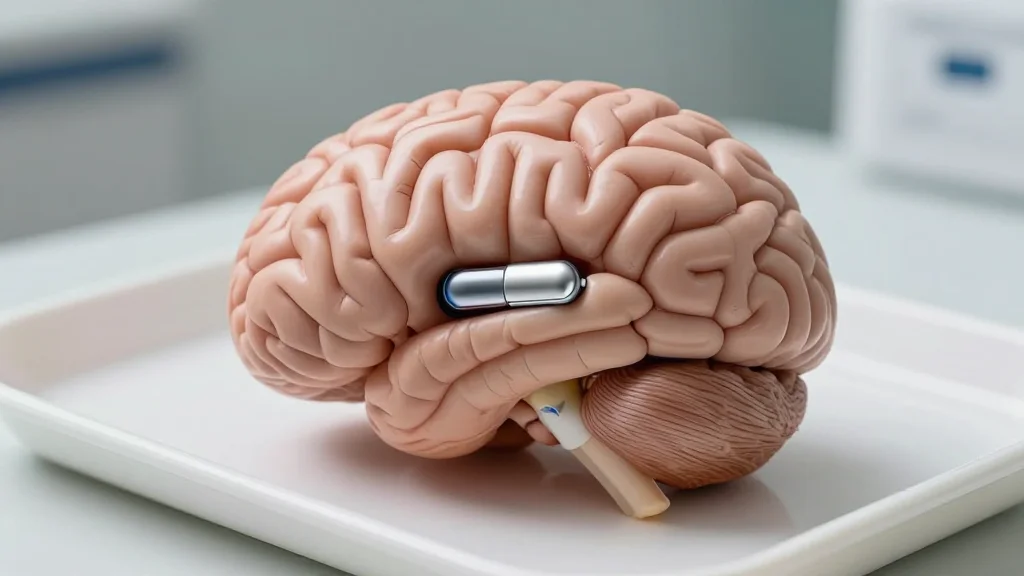
CorTec Secures FDA Breakthrough Designation for Stroke‑Rehab Brain‑Computer Interface

Companies Mentioned
Why It Matters
The designation marks the first time a BCI built for motor rehabilitation—not communication—has been singled out by the FDA as a breakthrough, highlighting a shift toward therapeutic neuro‑technology. By fast‑tracking a system that both reads and stimulates cortical activity, regulators are acknowledging that closed‑loop approaches could overcome the limited efficacy of conventional physiotherapy for chronic stroke patients. If CorTec’s trials confirm functional gains, the technology could reshape post‑stroke care pathways, reducing long‑term disability costs and expanding the role of implantable neuro‑devices in mainstream medicine. The ripple effect may also lower barriers for other companies developing therapeutic BCIs for conditions such as spinal cord injury or Parkinson’s disease.
Key Takeaways
- •CorTec received FDA Breakthrough Device Designation for its Brain Interchange BCI aimed at stroke motor rehab
- •The system is fully implantable, wireless, and operates in a closed‑loop architecture
- •Current IDE study is at the University of Washington, the first human trial of a fully implantable stroke‑rehab BCI
- •CEO Frank Desiere cites only a handful of BCI firms—Neuralink, Synchron, Blackrock Neurotech—have earned breakthrough status
- •Regulatory lead Mara Assis says the designation will accelerate engagement with the FDA and speed up upcoming pivotal trials
Pulse Analysis
CorTec’s breakthrough designation arrives at a pivotal moment for neuro‑technology, where the market is bifurcating between communication‑centric BCIs and therapeutic platforms. Historically, companies like Neuralink have chased high‑profile consumer‑oriented use cases, but regulatory pathways for those applications remain opaque. CorTec’s focus on a clearly defined, high‑burden clinical need—chronic motor deficits after stroke—offers a more tractable path to market approval and reimbursement. The FDA’s willingness to grant breakthrough status suggests that regulators are prioritizing data‑driven therapeutic outcomes over speculative consumer benefits.
From a competitive standpoint, CorTec’s closed‑loop, bidirectional design differentiates it from the unidirectional, read‑only systems of its peers. By delivering adaptive stimulation based on real‑time cortical signals, the platform could achieve neuroplastic changes that traditional physiotherapy cannot. If early efficacy signals hold, the company could command premium pricing and secure partnerships with major rehabilitation networks, mirroring the trajectory of implantable cardiac devices that moved from niche to standard of care.
Looking ahead, the key risk lies in scaling the technology from a single‑site IDE to multi‑center pivotal trials while maintaining signal fidelity and safety. Success will hinge on demonstrating statistically and clinically meaningful motor improvements, navigating reimbursement frameworks, and managing the surgical logistics of fully implantable devices. Should CorTec clear these hurdles, it could catalyze a new wave of therapeutic BCIs, prompting both venture capital and larger med‑tech firms to double‑down on closed‑loop neuro‑stimulation for a range of neurological disorders.
CorTec Secures FDA Breakthrough Designation for Stroke‑Rehab Brain‑Computer Interface
Comments
Want to join the conversation?
Loading comments...