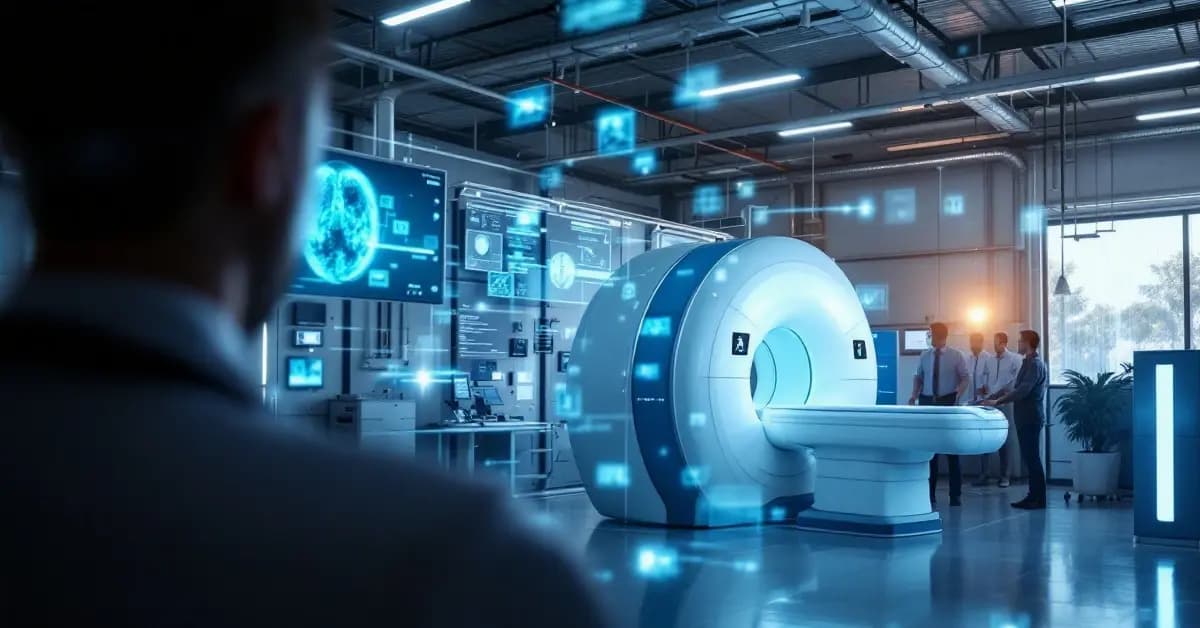
CT Scanner Introduced in Charters Towers to Improve Regional Diagnostic Access
Why It Matters
Local access to advanced imaging cuts wait times and travel expenses, strengthening emergency care and overall health outcomes in Queensland’s rural communities.
Key Takeaways
- •CT scanner reduces three‑hour travel to Townsville for regional patients
- •Queensland invests $178 million in nine new CT and six MRI units
- •Service runs five days weekly, moving to 24‑hour on‑call soon
- •Local scans accelerate emergency diagnosis, potentially improving outcomes
- •New staff hires expand radiology, nursing, and admin capacity
Pulse Analysis
The introduction of a dedicated CT scanner at Charters Towers Hospital marks a pivotal shift in how regional Queensland delivers acute care. Historically, patients from the Charters Towers catchment area faced up to three hours of travel to Townsville for a single scan, a burden that delayed diagnoses and strained families. By situating high‑resolution imaging within the community, clinicians can now obtain critical images promptly, enabling faster treatment decisions for conditions such as stroke, trauma, and cardiac events. This proximity not only improves clinical outcomes but also reduces indirect costs associated with missed work and long-distance travel.
Queensland’s broader health‑infrastructure plan allocates roughly $178 million (A$270 million) to install nine new CT scanners and six MRI machines across the state. This capital injection reflects a strategic response to chronic shortages in diagnostic capacity that have hampered rural hospitals for years. Coupled with parallel investments in virtual hospital platforms, the state is weaving together physical and digital health ecosystems. The synergy between on‑site imaging and tele‑radiology allows specialists in metropolitan centers to interpret scans remotely, extending expertise without requiring patient relocation.
Looking ahead, the transition of the Charters Towers CT service to a 24‑hour on‑call model will further embed emergency readiness into the regional health fabric. Continuous imaging availability can shave critical minutes off the ‘door‑to‑needle’ time for life‑threatening conditions, directly influencing survival rates. Moreover, the project creates local jobs—radiographers, nurses, and support staff—stimulating the regional economy. As other Australian states observe Queensland’s rollout, the Charters Towers example may become a template for scaling diagnostic services in underserved areas, balancing cost efficiency with equitable health access.
CT Scanner Introduced in Charters Towers to Improve Regional Diagnostic Access
Comments
Want to join the conversation?
Loading comments...