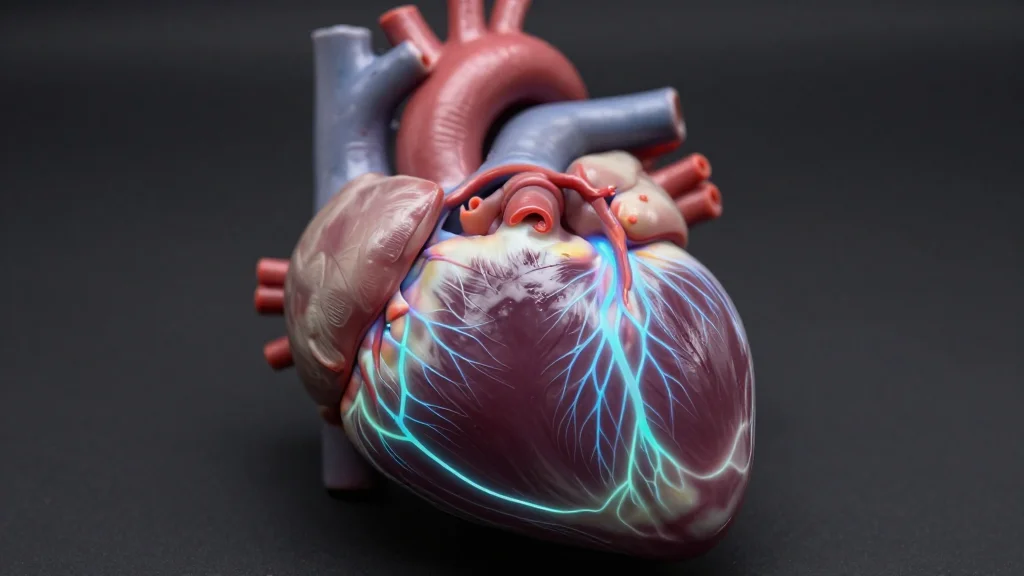
Deep‑Learning Model Cuts Coronary Plaque Analysis to 11 Seconds, Predicts Cardiac Events

Why It Matters
PlaqueSegNet’s ability to deliver near‑instant, reproducible plaque measurements could reshape how cardiology departments allocate radiology resources, potentially lowering costs and shortening patient wait times. By coupling quantification with event risk prediction, the model offers a dual diagnostic‑prognostic tool that may enable earlier, more personalized therapeutic decisions, especially in health systems where access to expert readers is limited. Beyond immediate workflow gains, the study underscores a broader shift toward AI‑driven risk stratification in non‑invasive imaging. If subsequent trials confirm its prognostic utility, insurers and health policymakers may incorporate AI‑derived plaque scores into reimbursement models and clinical guidelines, accelerating the adoption of precision cardiology.
Key Takeaways
- •PlaqueSegNet reduces CCTA plaque analysis from ~19 minutes to <11 seconds per patient.
- •Study includes 2,013 patients from 17 Chinese hospitals, with >0.90 intraclass correlation to expert and IVUS readings.
- •Model predicts major adverse cardiac events, showing prognostic value across three cohorts.
- •External validation performed on four independent datasets, including photon‑counting CT.
- •Prospective SUCCESS trial underway to test serial plaque progression detection.
Pulse Analysis
PlaqueSegNet arrives at a moment when cardiovascular imaging is under pressure to deliver faster, more reproducible results without sacrificing diagnostic depth. Historically, coronary CT angiography has excelled at identifying luminal stenosis but lagged in providing reliable plaque burden metrics, a gap that has limited its role in longitudinal disease monitoring. By automating plaque quantification and attaching a validated risk score, PlaqueSegNet bridges that gap, positioning CCTA as a one‑stop shop for both anatomy and prognosis.
The model’s speed advantage is not merely a convenience; it reshapes the economics of cardiac imaging. Radiology departments can now process higher volumes with existing staff, potentially deferring costly hires or overtime. However, the technology’s reliance on high‑quality CT data and its training on a homogeneous Chinese cohort raise questions about transferability. International validation will be essential, especially in regions where scanner hardware, patient demographics, and disease prevalence differ markedly.
If the SUCCESS trial confirms PlaqueSegNet’s ability to track plaque progression over time, the tool could become a cornerstone of preventive cardiology, enabling clinicians to measure therapeutic response to statins or lifestyle interventions with unprecedented granularity. In that scenario, insurers may adopt AI‑derived plaque metrics as endpoints for value‑based contracts, further incentivizing adoption. The next few years will determine whether PlaqueSegNet remains a niche research prototype or evolves into a standard component of cardiovascular risk assessment pipelines.
Deep‑Learning Model Cuts Coronary Plaque Analysis to 11 Seconds, Predicts Cardiac Events
Comments
Want to join the conversation?
Loading comments...