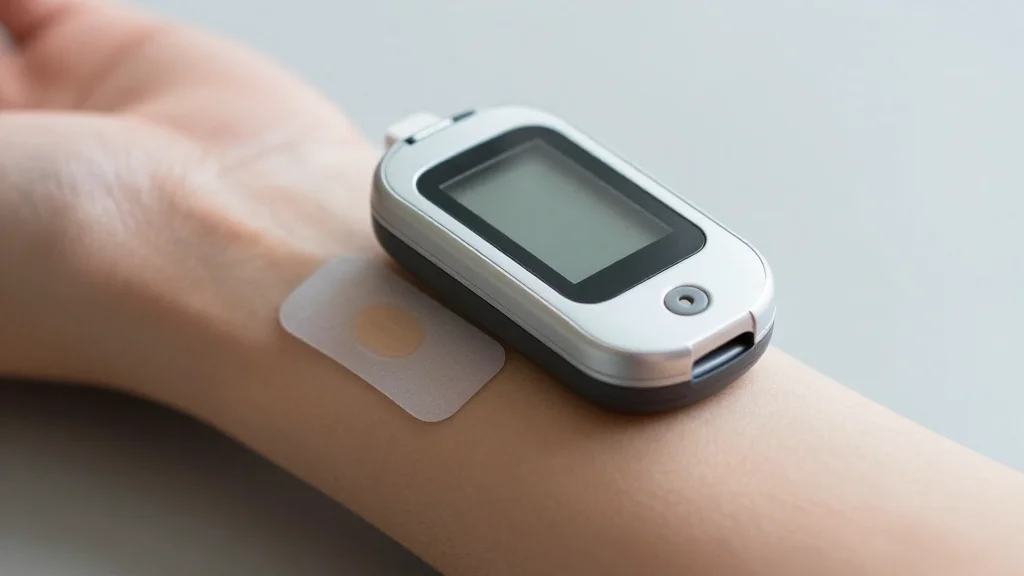
Dexcom Showcases Breakthrough Outcomes for People With Type 2 Diabetes and Product Roadmap at ATTD 2026
Key Takeaways
- •One‑year CGM use cuts HbA1c in non‑insulin Type 2
- •CGM adoption lowers DKA hospitalizations for Type 1 patients
- •Smart Basal system safely optimizes basal insulin therapy
- •DexCom roadmap adds G7 15‑Day, ONE+, next‑gen sensor
- •DexCom Academy launches in four European countries
Pulse Analysis
The continuous glucose monitoring (CGM) market is undergoing a pivotal shift as manufacturers demonstrate value beyond insulin‑treated diabetes. DexCom’s new real‑world data presented at ATTD 2026 shows a year‑long reduction in HbA1c and modest weight loss among non‑insulin‑using Type 2 patients, a cohort that historically has been under‑served by CGM technology. Parallel findings of fewer diabetic ketoacidosis admissions in both children and adults with Type 1 underscore the clinical safety net that real‑time glucose alerts provide. Together, these outcomes broaden the evidence base that could persuade payers to expand coverage to a larger diabetes population.
DexCom is leveraging that momentum with a robust product roadmap unveiled at the conference. The upcoming G7 15‑Day sensor extends wear time, while the ONE+ and Stelo platforms aim to simplify onboarding for both clinicians and patients. A next‑generation sensor prototype promises higher accuracy and reduced calibration, positioning DexCom ahead of rivals such as Abbott’s FreeStyle Libre and Medtronic’s Guardian. By integrating the Smart Basal algorithm, the company also moves toward closed‑loop insulin delivery, a step that could accelerate adoption of hybrid‑closed loop systems and lock in long‑term market share.
Education remains a critical lever, and DexCom’s new Academy platform reflects that priority. Launched in Belgium, Germany, Saudi Arabia, the Netherlands and Spain, the competency framework equips healthcare providers with standardized CGM training, potentially reducing prescription hesitancy and improving patient outcomes. As regulatory bodies worldwide tighten guidelines on digital health data, a well‑educated provider network can accelerate reimbursement pathways and foster broader integration of CGM into routine care. Combined with expanding clinical evidence, DexCom’s dual focus on technology and education positions it to capture a larger share of the projected $10 billion CGM market by 2030.
Dexcom Showcases Breakthrough Outcomes for People With Type 2 Diabetes and Product Roadmap at ATTD 2026
Comments
Want to join the conversation?