'Digital Blood Testing' Now at Hand
Why It Matters
Continuous, non‑invasive drug monitoring could improve dosing accuracy, reduce complications, and accelerate the shift toward digital blood testing across healthcare settings.
Key Takeaways
- •Wearable patch monitors vancomycin levels continuously
- •DNA aptamer sensors replace traditional blood draws
- •Clinical validation now primary hurdle before market launch
- •Trials expanding to cardiology and emergency triage
- •US regulatory filing targeted for next year
Pulse Analysis
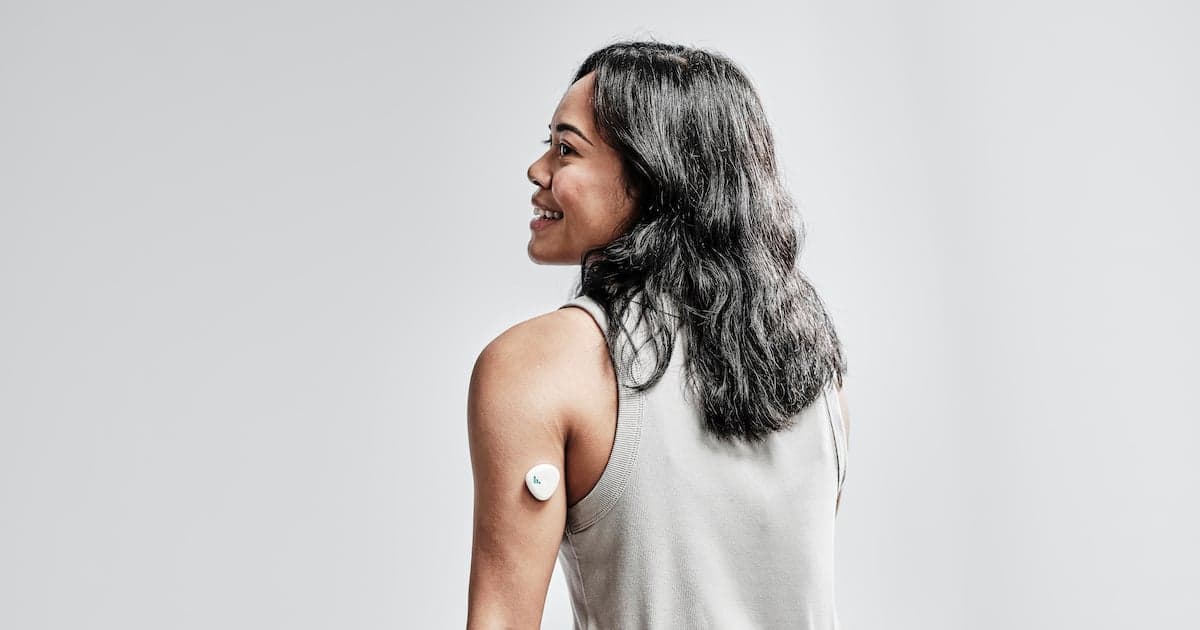
The emergence of aptamer‑based wearable patches marks a turning point in point‑of‑care diagnostics. By embedding synthetic DNA sequences that selectively bind target molecules, these devices translate interstitial fluid concentrations into real‑time readouts, effectively turning the skin into a laboratory. This approach sidesteps the pain and logistical constraints of venipuncture, delivering minute‑by‑minute pharmacokinetic data that can inform dose adjustments for narrow‑therapeutic‑index drugs like vancomycin. As the technology matures, it also opens pathways for monitoring metabolites, hormones, and biomarkers previously confined to centralized labs.
Clinical validation is now the decisive factor. The Nature Biotechnology study demonstrated that the patch reliably mirrors blood‑level fluctuations of a critical antibiotic, offering clinicians a continuous safety net for dosing decisions. Early adopters in Australian intensive care units are evaluating the device’s impact on workflow efficiency and patient outcomes, while Nutromics prepares a regulatory dossier for the U.S. Food and Drug Administration. Success in these trials could set a precedent for accelerated approval pathways for wearable diagnostics, especially as the FDA’s Digital Health Innovation Action Plan gains traction.
Beyond antibiotics, the patch’s modular aptamer platform promises versatility across specialties. Cardiologists envision real‑time monitoring of cardiac biomarkers to detect ischemic events, while emergency departments could use rapid triage tools to assess trauma patients’ lactate levels. From a business perspective, the shift toward continuous monitoring creates new revenue streams in subscription‑based health data services and partnerships with pharmaceutical firms seeking adherence solutions. If the technology scales, it could catalyze a broader digital blood‑testing ecosystem, reshaping how clinicians collect and act on physiological data.
'Digital blood testing' now at hand


Comments
Want to join the conversation?
Loading comments...