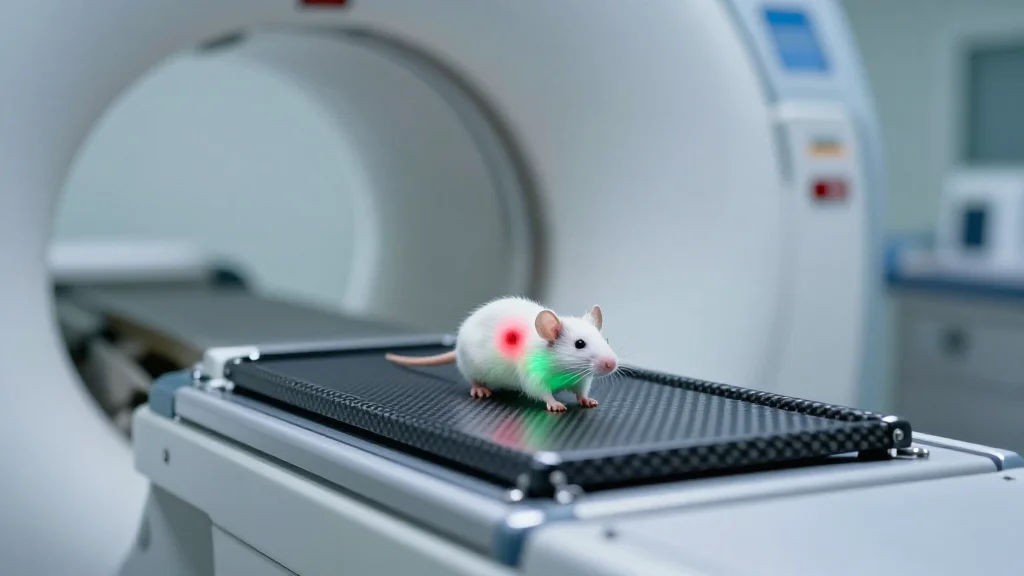
Dual PET Imaging Detects Tumor Progression and Heart Inflammation During Cancer Treatment
Why It Matters
The approach enables early detection of cardiovascular immune‑related adverse events, helping clinicians keep patients on effective cancer therapies while mitigating heart risk.
Key Takeaways
- •CCR2‑targeted 64Cu‑DOTA‑ECL1i outperforms FDG for tumor and plaque imaging
- •ICI therapy raises cardiac CCR2 PET signal despite slowing tumor growth
- •Adding itacitinib reduces cardiac inflammation and enhances tumor control
- •Dual PET approach may guide safer immunotherapy dosing decisions
- •CCR2 PET tracer is already in early‑stage clinical trials
Pulse Analysis
Immune checkpoint inhibitors have transformed oncology, yet their off‑target activation of the immune system can provoke myocarditis, pericarditis and accelerated atherosclerosis. Cardio‑oncology clinics currently rely on symptom‑based monitoring or generic imaging, which often detects damage only after irreversible injury. The absence of a molecular tool to pinpoint early cardiovascular immune‑related adverse events has limited clinicians’ ability to balance efficacy with safety, creating a therapeutic dilemma that can force treatment interruptions and jeopardize patient survival. Consequently, early detection strategies are a priority for both clinicians and payers.
The dual PET strategy presented at SNMMI 2026 leverages a CCR2‑directed radiotracer, 64Cu‑DOTA‑ECL1i, to illuminate both malignant lesions and inflamed vascular plaques in a single scan. In mouse models, the tracer produced clearer delineation of CCR2‑expressing tumor cells and atherosclerotic plaques than the conventional 18F‑FDG, while quantifying a surge in cardiac CCR2 signal after checkpoint blockade. Co‑administration of the JAK1 inhibitor itacitinib blunted this signal, improved tumor shrinkage, and reduced inflammatory cell infiltration, demonstrating a therapeutic synergy that can be monitored in real time. The approach also reduces radiation exposure by consolidating two scans into one.
If translated to patients, CCR2 PET could become a decision‑support tool that flags emerging cardiac toxicity before clinical events, allowing oncologists to adjust dosing, add cardioprotective agents, or switch regimens without sacrificing anti‑tumor activity. The tracer is already in early‑phase human trials across several indications, positioning it for rapid adoption once safety and diagnostic performance are confirmed. For pharmaceutical companies, the technology opens a pathway to differentiate immunotherapy combos with built‑in safety monitoring, potentially accelerating regulatory approval and expanding market share in the growing cardio‑oncology segment. Such integrated imaging aligns with value‑based care models that reward outcomes over procedures.
Dual PET imaging detects tumor progression and heart inflammation during cancer treatment
Comments
Want to join the conversation?
Loading comments...