European Study Links Loneliness to Lower Baseline Memory in Seniors but Not Faster Decline

Why It Matters
Loneliness has emerged as a public‑health concern for older adults, linked to a range of adverse outcomes from depression to cardiovascular disease. By pinpointing its specific impact on baseline memory, the study provides a measurable target for interventions that could improve quality of life and reduce long‑term care costs. For the HealthTech sector, the findings validate investments in platforms that promote social connectivity, positioning them as preventative tools rather than merely entertainment. Moreover, the research challenges the assumption that loneliness directly accelerates neurodegeneration, suggesting that early‑life social patterns may set cognitive baselines. This insight could reshape screening protocols, prompting clinicians to assess social health well before patients reach the typical age of cognitive testing, and to integrate digital social‑prescribing solutions into standard geriatric care.
Key Takeaways
- •Study analyzed 10,217 adults aged 65‑94 across 12 European countries (2012‑2019).
- •8% of participants reported high loneliness at baseline.
- •Lonely seniors scored lower on immediate and delayed memory tests initially.
- •Memory decline rates over seven years were similar regardless of loneliness level.
- •Findings may drive digital‑therapeutic and social‑prescribing initiatives for older adults.
Pulse Analysis
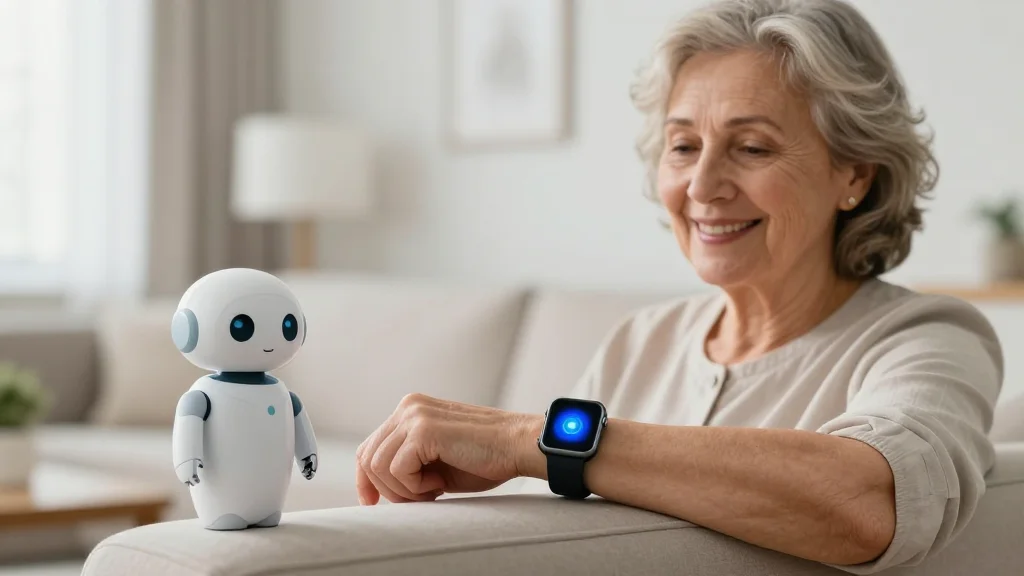
The data underscores a shift from viewing loneliness solely as a risk factor for accelerated cognitive decline to recognizing it as a determinant of initial cognitive reserve. HealthTech firms that can embed social interaction into daily routines—through gamified community platforms, AI companions, or tele‑group activities—stand to capture a growing market segment focused on preventive brain health. Early adoption could also align with emerging reimbursement models that reward outcomes tied to social determinants of health.
Historically, interventions for cognitive decline have centered on pharmacology and physical exercise. This study adds a social dimension, suggesting that a multi‑modal approach—combining medical, physical, and social interventions—may be more effective. Companies that can integrate data from wearable devices (tracking social engagement metrics) with cognitive assessments could offer clinicians a more holistic view of patient risk profiles.
Looking ahead, the key question is whether technology can replicate the protective effects of in‑person social bonds. Ongoing pilot programs in Scandinavia and the UK are testing virtual reality social spaces and AI‑driven conversation agents. If these trials demonstrate measurable improvements in baseline memory scores, we could see a rapid scaling of such solutions across Europe and North America, potentially reshaping the standard of care for aging populations.
European Study Links Loneliness to Lower Baseline Memory in Seniors but Not Faster Decline
Comments
Want to join the conversation?
Loading comments...