FDA Advises Users of Trividia Glucometer to Switch to Alternatives
Companies Mentioned
Why It Matters
Misinterpreting the E‑5 error can delay life‑saving treatment or cause overtreatment, posing a direct safety threat to diabetics and increasing liability for manufacturers and retailers.
Key Takeaways
- •FDA urges Trividia True Metrix users to switch testing methods
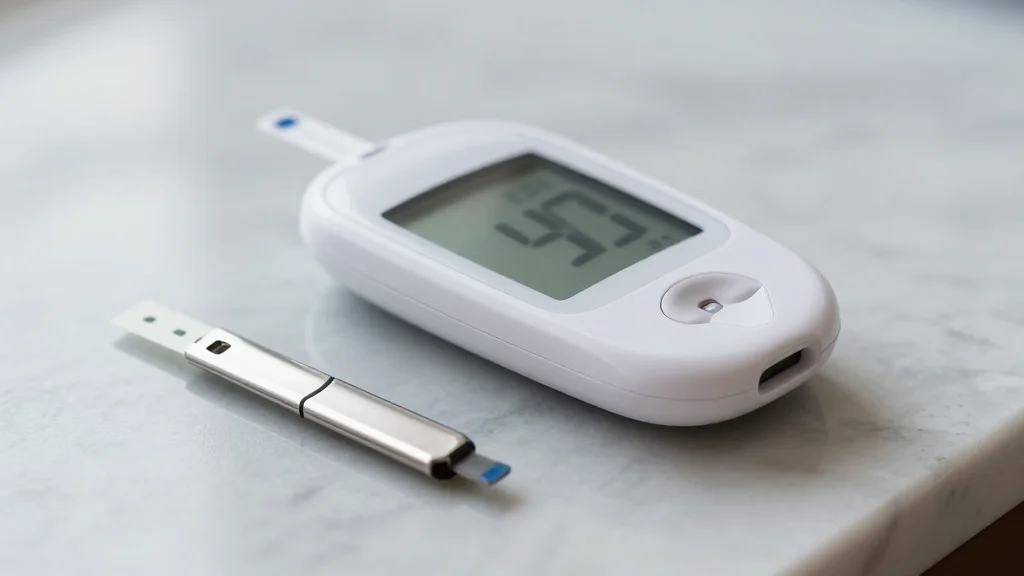
- •Error code E‑5 conflates high glucose with strip failure, causing mismanagement
- •114 injuries and one death reported before labeling correction
- •Co‑branded meters stay on shelves despite recall of instruction booklets
- •High‑risk patients on intensive insulin must adopt alternative devices
Pulse Analysis
The FDA’s latest safety alert underscores a growing regulatory focus on medical‑device usability. Trividia Health’s True Metrix glucometer, sold through major retailers such as CVS, Kroger and Walgreens, was found to display the same E‑5 error code for two distinct conditions: a genuine strip failure and a critically high blood‑glucose reading. This ambiguity can lead patients to either ignore a hyperglycemic crisis or administer unnecessary insulin, both of which carry severe health consequences. By issuing an early alert in February and now recommending a full transition to alternative testing, the agency is emphasizing that clear, actionable error messaging is non‑negotiable in diabetes care.
For patients, especially those on intensive insulin regimens or sulfonylureas, the recommendation has immediate clinical implications. The 114 reported serious injuries and a fatality illustrate how a seemingly minor software glitch can cascade into emergency department visits, hospitalizations, and even mortality. Clinicians must now counsel affected individuals to adopt finger‑stick meters from other manufacturers or consider continuous glucose monitoring (CGM) systems until Trividia resolves the labeling issue. The guidance also highlights the importance of rapid post‑market surveillance and patient education, ensuring that high‑risk users receive timely, accurate information to avoid treatment delays.
From a market perspective, the recall of instructional booklets—while leaving the hardware on shelves—creates a unique supply‑chain challenge. Retail partners must manage inventory, update point‑of‑sale materials, and potentially face consumer backlash. The episode serves as a cautionary tale for device makers: robust pre‑launch testing of error codes and clear labeling are essential to maintain trust and avoid costly regulatory interventions. As the diabetes device sector continues to expand, manufacturers are likely to invest more heavily in human‑factors engineering and real‑world performance monitoring to preempt similar safety alerts.
FDA advises users of Trividia glucometer to switch to alternatives
Comments
Want to join the conversation?
Loading comments...