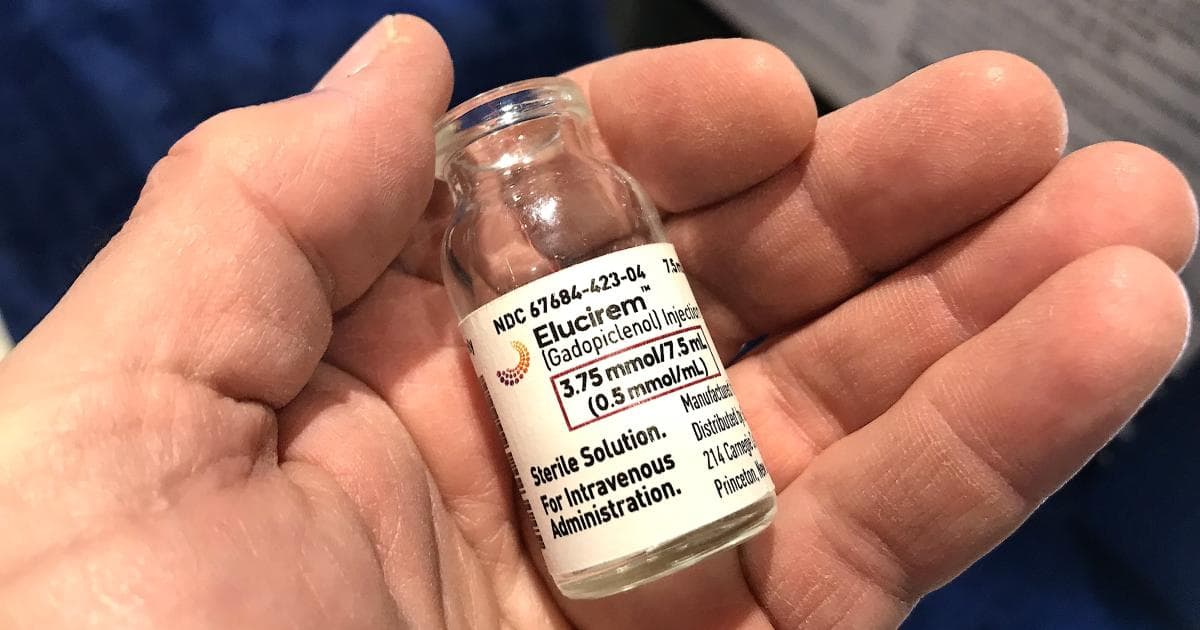
FDA Approves Expanded Use of Gadolinium-Based Imaging Agent From Guerbet
•February 20, 2026
0
Why It Matters
The approval enables safer MRI diagnostics for the most vulnerable patients, potentially lowering long‑term gadolinium deposition concerns across pediatric radiology.
Key Takeaways
- •FDA expands Elucirem use to infants under two.
- •Gadopiclenol uses half the gadolinium of standard agents.
- •High relaxivity maintains image quality at lower dose.
- •No adverse events reported in pediatric safety study.
- •Reduces long‑term gadolinium retention risk for children.
Pulse Analysis
The FDA’s label extension for Elucirem marks a pivotal shift in pediatric imaging, where clinicians have long grappled with balancing diagnostic clarity against the cumulative risks of gadolinium exposure. By leveraging gadopiclenol’s macrocyclic structure and high relaxivity, the agent achieves comparable signal enhancement at a 0.05 mmol/kg dose—roughly 50% less than traditional agents like gadoterate meglumine. This dosage reduction directly addresses growing regulatory and patient‑family concerns about gadolinium retention, especially in neonates whose blood‑brain barrier and renal function are still developing.
Beyond safety, the expanded indication could reshape workflow efficiencies in children's hospitals. Radiology departments often schedule repeat MRI scans for chronic conditions such as congenital heart disease or neurodevelopmental disorders; using a half‑dose GBCA reduces contrast preparation time and may lower overall procedural costs. Moreover, the high‑relaxivity profile of gadopiclenol shortens acquisition windows, potentially decreasing the need for sedation in young patients—a significant operational advantage that aligns with broader initiatives to minimize anesthesia exposure.
From a market perspective, Guerbet’s move positions Elucirem as a differentiated offering in a competitive contrast‑agent landscape dominated by legacy products. The approval may stimulate further clinical research into low‑dose gadolinium formulations, prompting other manufacturers to innovate or pursue similar label expansions. Healthcare providers, insurers, and policy makers will likely monitor real‑world outcomes to assess whether reduced gadolinium dosing translates into measurable long‑term health benefits, potentially influencing future guidelines for pediatric MRI protocols.
FDA approves expanded use of gadolinium-based imaging agent from Guerbet
0
Comments
Want to join the conversation?
Loading comments...