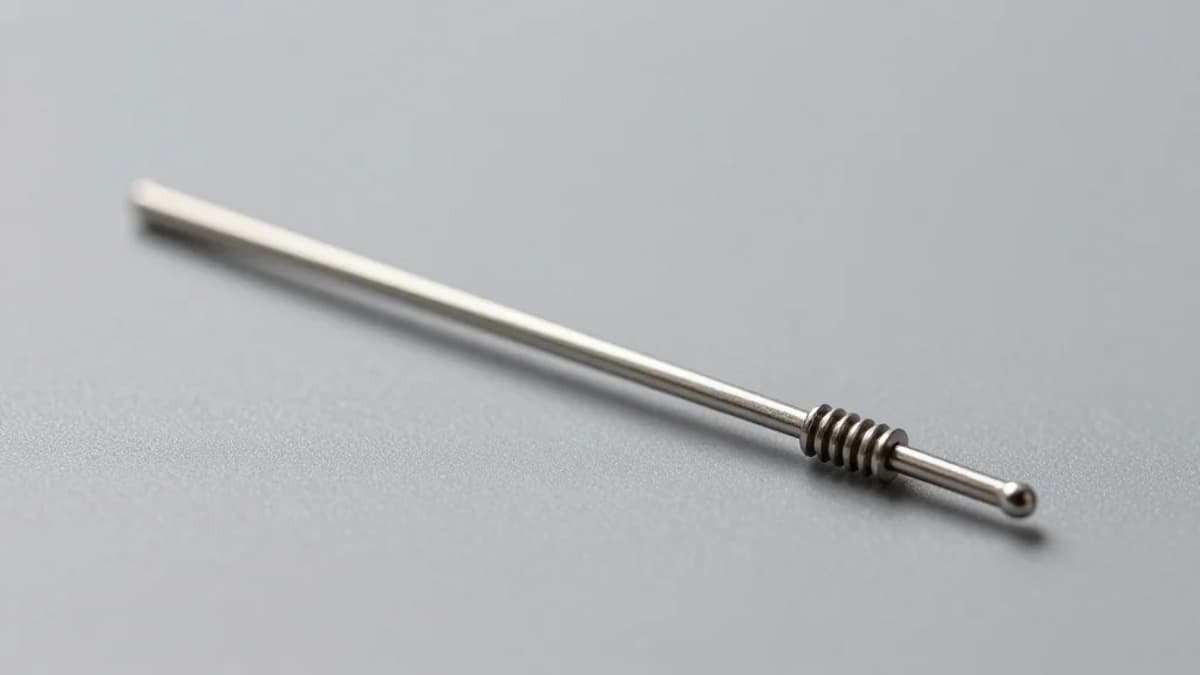
FDA Approves New Biotronik Pacing Lead for LBBAP
•February 23, 2026
0
Why It Matters
The clearance marks the first FDA‑approved lead designed from the ground up for LBBAP, accelerating adoption of physiologic pacing and potentially improving cardiac outcomes. It also underscores a maturing market where device differentiation hinges on dedicated LBBAP engineering.
Key Takeaways
- •FDA clears Biotronik’s purpose‑built LBBAP lead
- •Stylet‑driven platform with fixed helix enhances implantation
- •BIO‑CONDUCT trial showed safety in 100+ US patients
- •Enables more physiologic pacing versus traditional methods
- •Demonstrations slated for Heart Rhythm 2026 conference
Pulse Analysis
Left bundle branch area pacing has emerged as a pivotal shift in cardiac electrophysiology, offering more natural ventricular activation than conventional right‑ventricular leads. By anchoring a single lead within the interventricular septum, clinicians achieve superior electrical synchrony, reduced procedural time, and lower complication rates. Industry analysts predict that LBBAP adoption will grow rapidly as guideline committees incorporate physiologic pacing into standard care pathways, creating a sizable market for purpose‑built devices.
Biotronik’s Solia CSP S lead differentiates itself through a stylet‑driven delivery system paired with a fixed‑helix screw, a combination that simplifies implantation while maintaining precise septal positioning. The recent FDA approval draws on the BIO‑CONDUCT IDE trial, which demonstrated consistent safety outcomes across more than a hundred U.S. patients, reinforcing confidence in the lead’s performance. This regulatory milestone positions Biotronik as the first manufacturer to secure clearance for a lead conceived explicitly for LBBAP, giving it a competitive edge over legacy platforms that were retrofitted for the technique.
For electrophysiology labs, the new lead promises streamlined workflows and potentially better patient outcomes, accelerating the transition from traditional pacing to physiologic strategies. The upcoming hands‑on demonstrations at Heart Rhythm 2026 will allow physicians to evaluate the device’s handling characteristics and assess its fit within existing procedural protocols. As more hospitals adopt LBBAP, manufacturers that offer dedicated, FDA‑cleared solutions are likely to capture a larger share of the pacing market, driving further innovation and research into next‑generation conduction system therapies.
FDA approves new Biotronik pacing lead for LBBAP
0
Comments
Want to join the conversation?
Loading comments...