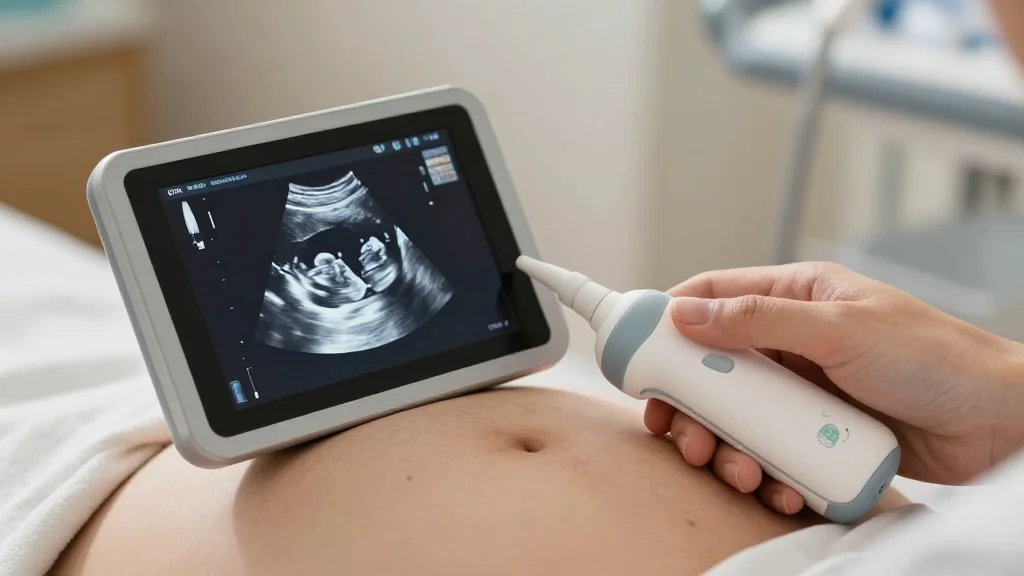
FDA Clears UNC AI Ultrasound Tool, Expanding Prenatal Care Access

Companies Mentioned
Why It Matters
The clearance bridges a critical gap in prenatal care by enabling accurate gestational dating without the need for specialist sonographers, a shortage that disproportionately affects rural and underserved communities. By leveraging AI to interpret basic ultrasound video, the technology could reduce missed or delayed diagnoses, improve timing of interventions, and ultimately lower maternal and neonatal complications. Beyond clinical impact, the approval demonstrates that the FDA is willing to evaluate AI algorithms that function as decision‑support tools rather than standalone devices. This could encourage more academic‑industry collaborations focused on solving concrete workflow challenges, accelerating the pipeline from research labs to bedside applications.
Key Takeaways
- •FDA clearance enables U.S. clinical use of UNC's AI fetal‑age estimator.
- •Tool licensed to Butterfly Network for integration into its handheld scanners.
- •Technology analyzes "blind sweep" ultrasound video, removing need for specialist sonographers.
- •Already deployed in 12 countries, targeting low‑resource maternal‑health programs.
- •Cleared system could expand prenatal care access in U.S. maternity‑care deserts.
Pulse Analysis
The FDA's decision reflects a broader regulatory shift toward evaluating AI as an adjunct to existing imaging hardware rather than as a standalone diagnostic device. By focusing on a narrowly defined use case—gestational‑age estimation—the UNC system sidesteps many of the data‑bias and safety concerns that have slowed approvals for more generalized AI platforms. This strategic narrowing aligns with the FDA's emerging framework that emphasizes clinical context and real‑world performance.
From a market perspective, Butterfly Network stands to differentiate its handheld ultrasound ecosystem by adding a high‑impact AI capability that directly addresses a pain point for primary‑care providers. Competitors such as Philips and GE have long offered obstetric imaging suites, but their solutions typically require dedicated sonographers and larger equipment. Butterfly's portable approach, now bolstered by AI, could erode the market share of traditional vendors in community health settings, especially as reimbursement models evolve to reward tele‑ultrasound and remote interpretation.
Looking forward, the success of this clearance may spur a wave of niche AI tools targeting other obstetric measurements—such as placenta location or fetal‑growth trajectories—each seeking a similar regulatory pathway. The key will be rigorous post‑market surveillance to ensure algorithmic performance holds across diverse populations. If the UNC‑Butterfly collaboration can demonstrate consistent accuracy and cost‑effectiveness, it could set a template for rapid translation of academic AI research into scalable health‑tech products.
FDA Clears UNC AI Ultrasound Tool, Expanding Prenatal Care Access
Comments
Want to join the conversation?
Loading comments...