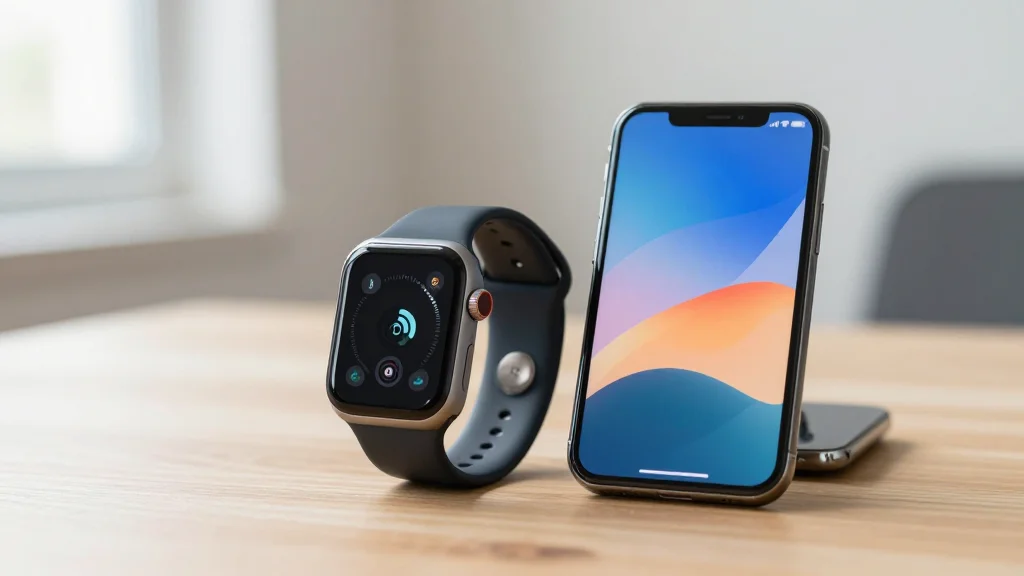
Google Health App Launches with Ability to Connect Apps, Devices, and Medical Records to Offer “Comprehensive View” Of Health
Why It Matters
By consolidating fitness, sleep, and clinical data, Google Health creates a single, secure health hub that could accelerate consumer adoption of digital health management and set a new standard for data interoperability. The move also intensifies competition with Microsoft’s Copilot Health and other AI‑driven health platforms.
Key Takeaways
- •Google Health app merges Fitbit, Fit, and medical records in one platform
- •New tabs (Today, Fitness, Sleep, Health) offer customizable health dashboards
- •Gemini-powered Health Coach provides AI-driven workout and sleep recommendations
- •US rollout lets users view lab results, meds; data stored securely
Pulse Analysis
Google’s rebranding of Fitbit into the Google Health app marks a decisive step toward a truly integrated personal health ecosystem. By unifying data streams from wearables, third‑party nutrition and activity apps, Apple Health, and its own Health Connect API, the service offers a panoramic view of a user’s wellbeing. The four‑tab interface—Today, Fitness, Sleep, Health—lets users customize dashboards, track trends, and receive AI‑generated insights from the Gemini‑powered Health Coach. This level of aggregation not only simplifies daily health monitoring but also positions Google as a central hub for both consumer and clinical data, a role traditionally held by fragmented solutions.
The launch arrives amid a broader industry push to blend consumer wearables with electronic health records. Microsoft’s Copilot Health, for example, aggregates data from over 50 wearables and 50,000 U.S. hospitals, using AI to translate raw metrics into actionable health narratives. Meanwhile, IBM’s £160 million (≈$203 million) contract with NHS England underscores the growing appetite for secure, scalable health platforms in public systems. Google’s entry raises the competitive stakes, compelling rivals to enhance interoperability, AI personalization, and data security to retain market share.
For users, the promise of a single, secure repository for fitness metrics, sleep patterns, lab results, and medication lists could streamline self‑care and improve health outcomes. Google emphasizes encrypted storage and user‑controlled permissions, addressing privacy concerns that have hampered earlier attempts at data consolidation. As the app rolls out to existing Fitbit users and later to Google Fit customers, its adoption will likely influence how insurers, employers, and healthcare providers leverage aggregated health data for preventive programs and personalized interventions.
Google Health app launches with ability to connect apps, devices, and medical records to offer “comprehensive view” of health
Comments
Want to join the conversation?
Loading comments...