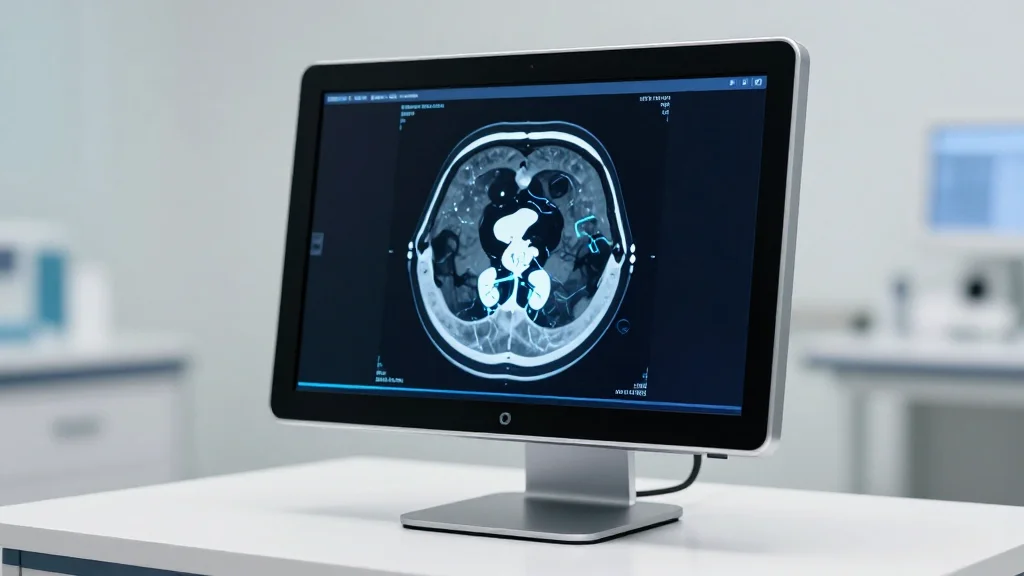
Guyana Deploys One‑Minute AI Imaging Service at New Optique Eye Hospital

Why It Matters
The deployment of one‑minute AI imaging reads directly tackles a critical bottleneck in Guyana’s health system: the scarcity of radiology expertise and the long turnaround times for scan interpretation. By delivering near‑instant diagnostics, the technology can accelerate treatment pathways for acute conditions, reduce unnecessary hospital stays, and free up specialist time for more complex cases. Moreover, the project demonstrates how targeted government incentives and private investment can accelerate health‑tech adoption in low‑resource environments, offering a replicable model for other Caribbean nations facing similar workforce constraints. If successful, the initiative could catalyze a wave of AI‑driven solutions across the region, from tele‑pathology to predictive analytics, fostering a digital health ecosystem that supports both public and private providers. The partnership also signals confidence in Guyana’s regulatory and investment climate, potentially attracting further foreign capital into its emerging health‑tech sector.
Key Takeaways
- •President Irfaan Ali announced AI that reads X‑rays, CT and MRI scans in one minute at Optique Eye Hospital.
- •Health Minister Dr. Frank Anthony confirmed rollout at Enmore and De Kinderen hospitals, with plans for all public facilities.
- •Optique Eye Hospital cost GY$1 billion (≈ $4.8 million) after government incentives reduced capital expenditure.
- •The AI system has already processed over 2,000 scans in pilot testing, delivering reports within 60 seconds.
- •Expansion aims to integrate AI with national health records and cover all public imaging centers by end‑2026.
Pulse Analysis
Guyana’s AI imaging launch is a textbook case of how strategic public‑private collaboration can fast‑track health‑tech diffusion in a resource‑constrained market. The government’s incentive package, delivered through GO‑Invest, effectively lowered the entry barrier for a high‑capital venture, allowing Optique to allocate more funds toward technology acquisition rather than infrastructure alone. This mirrors similar incentive‑driven models seen in Singapore and Israel, where tax breaks and co‑funding have spurred rapid adoption of AI in clinical workflows.
From a competitive standpoint, the initiative positions Guyana ahead of many of its Caribbean peers, which have largely relied on tele‑radiology partnerships that still involve human radiologists and longer turnaround times. By automating the initial read, Guyana can offer a cost‑effective, scalable solution that may attract medical tourism from neighboring countries lacking such capabilities. However, the success of the program hinges on maintaining diagnostic accuracy and addressing data governance concerns. Continuous validation against radiologist‑verified reads will be essential to build clinician trust and avoid regulatory pushback.
Looking forward, the AI platform could serve as a foundation for broader digital health integration, including decision‑support tools for oncology, cardiology and infectious disease management. If the pilot demonstrates measurable improvements in patient outcomes and system efficiency, it could unlock additional funding streams, both from international development agencies and private investors eyeing the Caribbean’s untapped health‑tech market. The key question remains whether the government can sustain the incentive framework and whether the technology provider can keep pace with evolving clinical standards.
Guyana Deploys One‑Minute AI Imaging Service at New Optique Eye Hospital
Comments
Want to join the conversation?
Loading comments...