Hartford HealthCare Teams with Cadence to Deploy AI Remote Care for Seniors

Companies Mentioned
Why It Matters
Chronic diseases remain the leading drivers of health‑care costs in the United States, and seniors are especially vulnerable to complications that require costly hospitalizations. By moving routine monitoring and early intervention into the home, the Hartford‑Cadence program could reduce avoidable admissions and lower overall spending. Moreover, the partnership illustrates how AI can be operationalized in real‑world clinical settings, offering a template for other health systems seeking to modernize care delivery. The initiative also highlights the importance of clinician oversight in AI‑enabled workflows. As regulators and providers grapple with the balance between automation and patient safety, the Hartford model—where every AI recommendation is vetted by a human clinician—may become a benchmark for responsible deployment of health‑tech innovations.
Key Takeaways
- •Hartford HealthCare partners with Cadence to launch AI‑driven remote care for seniors with chronic conditions.
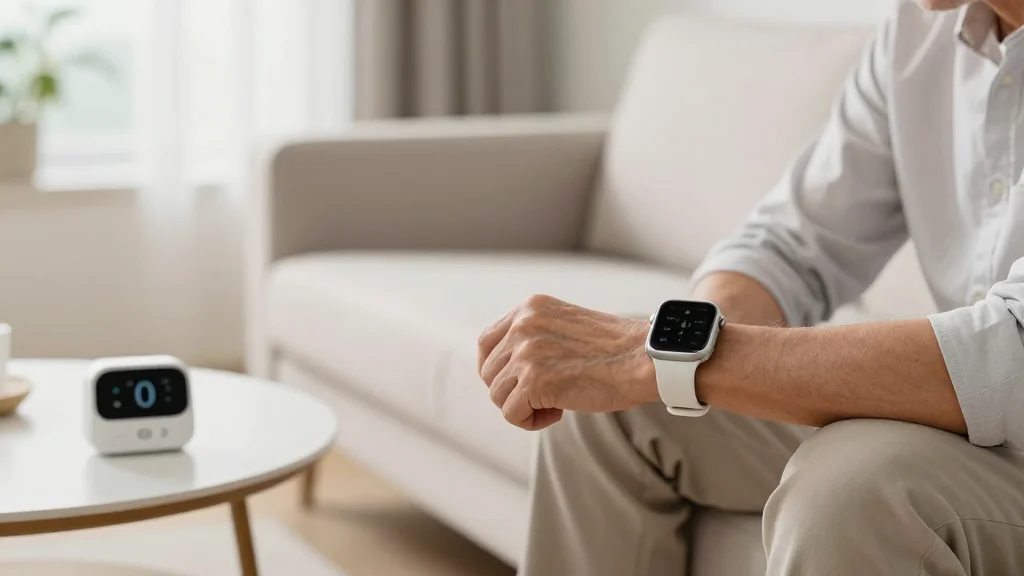
- •AI agents continuously monitor vitals from Cadence‑compatible devices and flag out‑of‑range readings.
- •All AI‑generated recommendations are reviewed and approved by a Hartford HealthCare clinician before delivery.
- •Program targets hypertension, diabetes and heart failure, conditions that drive a large share of hospital readmissions.
- •Initial rollout will begin later this quarter; patient count and financial terms were not disclosed.
Pulse Analysis
The Hartford‑Cadence partnership arrives at a moment when payers are increasingly rewarding value‑based care and penalizing readmissions. By embedding AI into the post‑visit continuum, Hartford HealthCare is positioning itself to capture both quality incentives and cost savings. Historically, remote‑monitoring pilots have struggled with clinician adoption due to alert fatigue; the supervised‑AI model mitigates that risk by ensuring that only clinically vetted alerts reach providers.
From a competitive standpoint, the alliance pits a regional health system against national players that have deeper pockets but may lack localized clinical integration. Hartford’s existing patient base and trust relationships give it a distinct advantage in enrolling seniors who might be skeptical of new technology. Cadence, meanwhile, gains a high‑profile reference client that can accelerate sales to other health systems seeking a proven use case.
Looking ahead, the success of this program could spur a wave of similar collaborations, especially as AI algorithms become more sophisticated in predicting decompensation events. However, scalability will depend on data interoperability, reimbursement policies for remote monitoring, and the ability to maintain clinician oversight without overwhelming staff. If Hartford can demonstrate measurable reductions in readmissions and improved patient satisfaction, the model could become a blueprint for nationwide adoption, reshaping how chronic disease management is delivered in the United States.
Hartford HealthCare Teams with Cadence to Deploy AI Remote Care for Seniors
Comments
Want to join the conversation?
Loading comments...