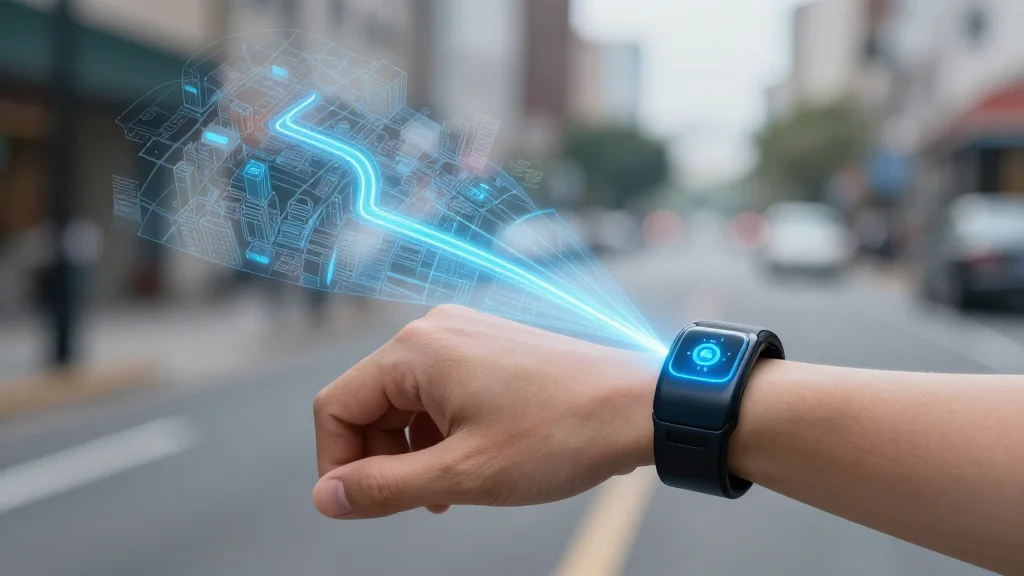
How AI Can Be Employed in Emergency Response
Why It Matters
Accelerating AI‑powered dispatch can save lives and lower public‑safety costs, positioning data‑rich platforms as essential infrastructure for municipalities.
Key Takeaways
- •RapidSOS aggregates real-time data from wearables, vehicles, and IoT devices
- •AI algorithms prioritize incidents, reducing dispatch times by up to 30%
- •Jeremy Renner's advocacy raises public awareness of tech-enabled emergency services
- •HIMSS summit will showcase pilots linking 5G networks to first‑response platforms
Pulse Analysis
The convergence of artificial intelligence with ubiquitous sensors is reshaping how first‑responders act on emergencies. Wearable health monitors, connected cars, and smart‑city IoT devices continuously stream location, biometric and environmental data to platforms like RapidSOS. By feeding these feeds into machine‑learning models, AI can assess incident severity, predict resource needs, and suggest optimal routes before a 911 call is even placed. Early pilots report dispatch time reductions of 20‑30 percent, translating into faster medical care and higher survival rates for cardiac arrests, severe injuries and fires.
Despite the promise, integrating AI into emergency services raises technical and policy hurdles. Legacy dispatch centers rely on manual triage, requiring seamless APIs and real‑time data validation to avoid false alarms. Data privacy regulators demand strict consent frameworks for health‑related wearables, while municipalities must invest in 5G backhaul and edge‑computing nodes to handle latency‑sensitive workloads. HIMSS’s AI Executive Leadership Summit provides a forum for vendors, city officials and standards bodies to align on interoperability guidelines, ensuring that AI enhancements complement, rather than disrupt, existing public‑safety workflows.
Looking ahead, AI‑enabled emergency response is poised to become a cornerstone of smart‑city strategy. Venture capital is flowing into firms that fuse real‑time analytics with emergency‑services software, and several U.S. counties have pledged multi‑year contracts to expand data‑sharing agreements with health‑tech providers. As predictive models improve, we can expect proactive alerts—such as pre‑emptive ambulance positioning during large public events—further compressing response windows. For policymakers and investors, the metric to watch will be the measurable reduction in mortality and property loss as AI moves from pilot to standard practice.
How AI can be employed in emergency response
Comments
Want to join the conversation?
Loading comments...