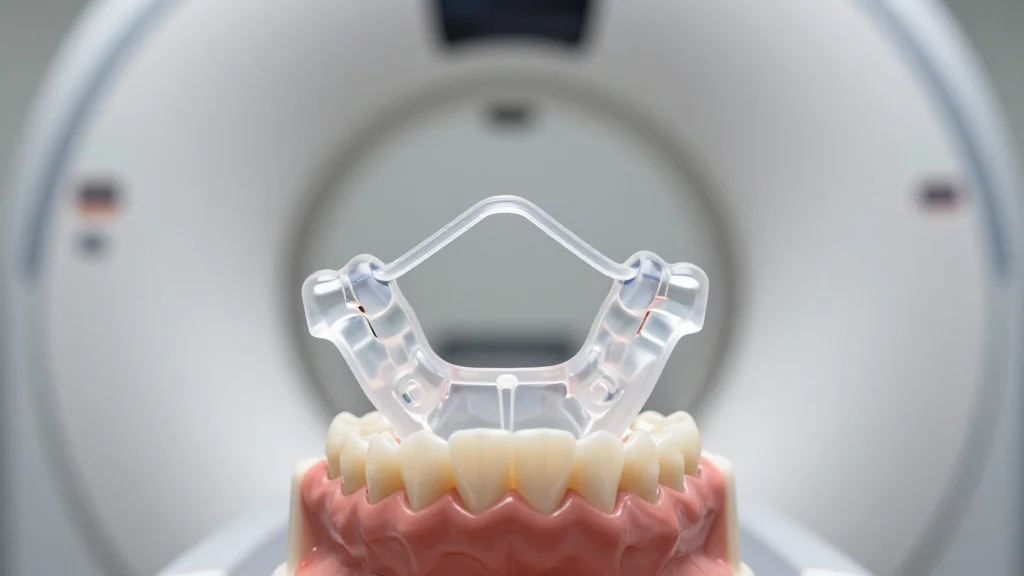
How Digital Treatment Planning Is Transforming Outcomes in Dental Implant Surgery
Why It Matters
Digital treatment planning raises clinical safety and efficiency, giving practices a competitive edge while delivering measurable improvements in patient outcomes and revenue potential.
Key Takeaways
- •CBCT provides 3‑D bone detail, reducing nerve injury risk
- •Intraoral scanners replace impressions, cutting chair time and distortion
- •Virtual planning drives custom surgical guides, improving implant placement accuracy
- •Studies show digitally guided implants cut surgery time and complications
- •AI‑assisted planning adds automated landmark detection and optimal positioning
Pulse Analysis
The adoption of cone‑beam CT (CBCT) and intraoral scanners has turned dental implant surgery into a data‑rich discipline. By capturing three‑dimensional bone architecture and exact surface topography, clinicians can merge datasets into a unified virtual model. This model serves as the blueprint for patient‑specific surgical guides, eliminating much of the guesswork that once defined freehand placement. The result is a reproducible, high‑precision workflow that aligns with broader trends toward digital health integration.
Clinical studies now substantiate the hype: computer‑guided implants achieve statistically superior angular and positional accuracy, shave minutes off operative time, and lower rates of nerve injury and sinus perforation. For patients, the benefits translate into clearer pre‑operative communication, reduced anxiety, and smoother recoveries. Practices that leverage these tools also see higher implant survival rates, which bolsters long‑term revenue streams and strengthens referral relationships with general dentists.
Looking ahead, artificial intelligence is poised to automate key steps in the planning process. AI algorithms can instantly identify anatomical landmarks, flag proximity risks, and suggest optimal implant dimensions based on restorative goals. Early adopters will gain a scalability advantage, delivering consistent outcomes even in complex cases such as full‑arch reconstructions. As the technology matures, digital implant planning is likely to become the industry standard, reshaping procurement, training, and patient expectations across oral surgery practices.
How Digital Treatment Planning Is Transforming Outcomes in Dental Implant Surgery
Comments
Want to join the conversation?
Loading comments...