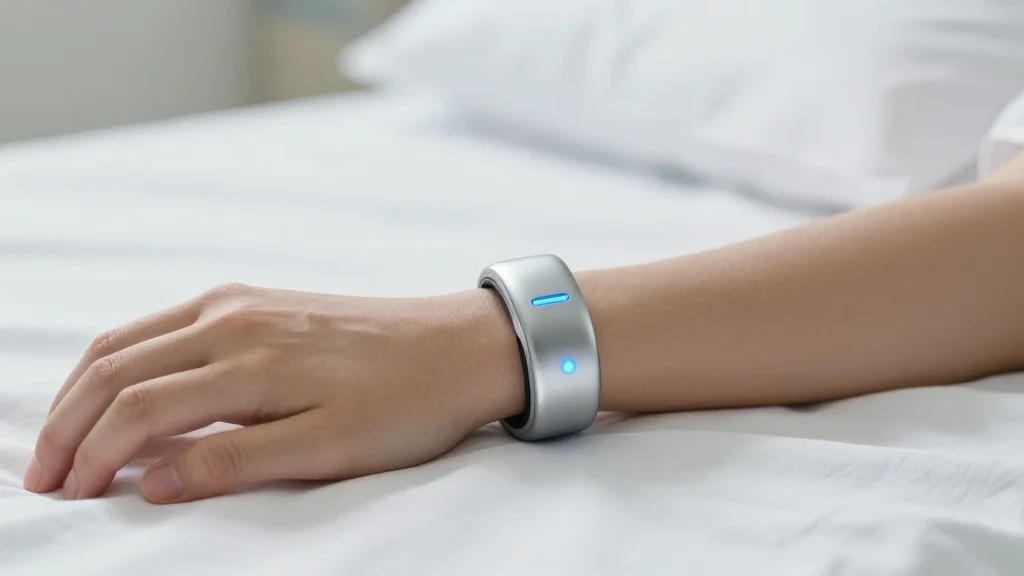
How Integrated Wearable Technologies Are Shaping the Next Era of Health Care Innovation - SPONSOR CONTENT FROM MEDTRONIC
Why It Matters
Continuous wearable monitoring mitigates staffing gaps, cuts complications, and accelerates recovery, reshaping hospital efficiency and patient outcomes.
Key Takeaways
- •11 million health‑worker shortfall drives demand for wearable monitoring.
- •Wearables deliver continuous data on five vital signs, enabling predictive analytics.
- •AZ Maria Middelares saw early interventions in 33 % of cases.
- •Post‑surgical mortality can drop with real‑time monitoring at home.
- •Integrated wearables streamline workflows, freeing staff for complex care.
Pulse Analysis
The looming global shortage of health‑care workers—estimated at 11 million by 2030—has forced hospitals to rethink traditional, labor‑intensive vital‑sign checks. Manual spot checks every four to six hours leave patients unmonitored for the vast majority of the day, increasing the risk of missed deterioration. Wearable medical devices, capable of continuously tracking heart rate, respiration, blood pressure, ECG and SpO₂, offer a scalable solution that plugs the staffing gap while delivering richer data streams for clinicians.
Beyond simple data collection, modern wearables embed predictive analytics that flag subtle physiological trends before they become critical. In Belgium’s AZ Maria Middelares, continuous monitoring prompted early clinical action in one‑third of post‑surgical cases and enabled at‑home atrial‑fibrillation screening, allowing rapid medication adjustments. Such proactive care reduces ICU transfers, shortens hospital stays, and improves patient confidence, translating into measurable quality‑of‑care gains and lower complication costs.
Looking ahead, seamless integration of wearables with hospital IT ecosystems will be a decisive factor for widespread adoption. Real‑time data feeds empower multidisciplinary teams, streamline workflows, and support value‑based reimbursement models that reward outcomes over volume. As payers and providers recognize the ROI—fewer adverse events, reduced staffing burdens, and smoother discharge pathways—investment in wearable platforms is set to accelerate, positioning them as a cornerstone of next‑generation, patient‑centric health care.
How Integrated Wearable Technologies Are Shaping the Next Era of Health Care Innovation - SPONSOR CONTENT FROM MEDTRONIC
Comments
Want to join the conversation?
Loading comments...