How the Military Health System Is Reimagining Health IT From the Battlefield to the Exam Room
Companies Mentioned
Why It Matters
A unified, AI‑enhanced health‑IT ecosystem improves continuity of care for millions of service members and veterans while boosting battlefield survival rates, setting a benchmark for civilian health systems seeking integrated, patient‑centric solutions.
Key Takeaways
- •MHS Genesis unifies EHR for active duty, retirees, and VA
- •AI-powered ambient listening transcribes visits, freeing clinicians to focus on patients
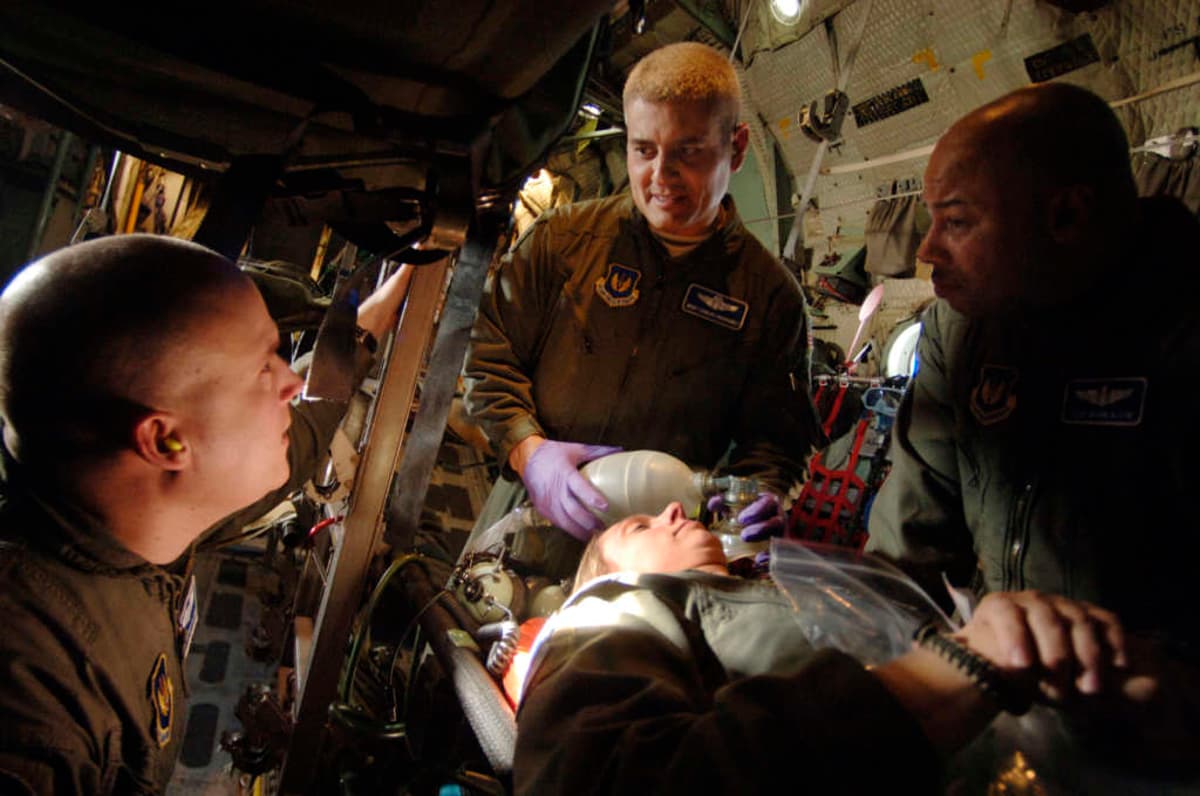
- •Battlefield platform BATDOK captures real‑time medics’ notes, improving survival rates
- •Health Information Exchange links military, civilian, and VA providers for seamless records
- •Cloud migration and AI aim to make IT an invisible care partner
Pulse Analysis
The Department of Defense’s push to modernize health information technology reflects a broader shift toward integrated, data‑driven care. At the core is MHS Genesis, a cloud‑based electronic health record that mirrors the VA’s platform, allowing a single longitudinal record to travel with a service member from basic training through retirement and VA treatment. This shared foundation reduces duplication, cuts administrative overhead, and provides clinicians with a comprehensive view of a patient’s medical history, a capability that has long eluded fragmented military and civilian networks.
On the front lines, the same technology philosophy translates into life‑saving battlefield tools. The Joint Operations Medical Information System (JOMIS) and its field component BATDOK let medics document interventions in real time, whether online or offline, ensuring that every wound, medication, and procedure is instantly logged. Coupled with the Joint Trauma System’s analytics, these innovations have driven the highest recorded battlefield survival rates in recent conflicts. In civilian clinics, AI‑powered ambient listening captures and summarizes patient encounters, freeing providers from manual note‑taking and restoring focus to the doctor‑patient conversation, a change Ferrara describes as bringing humanity back to health care.
Looking ahead, the MHS is migrating its entire Genesis suite to the cloud while scaling artificial‑intelligence capabilities such as predictive analytics and natural‑language processing. The goal is to make health IT invisible—functioning as a silent partner that anticipates needs, streamlines workflows, and empowers patients to manage appointments and results effortlessly. If successful, this model could serve as a blueprint for the broader U.S. health ecosystem, demonstrating how seamless data exchange and patient‑centric design can improve outcomes, reduce costs, and enhance provider satisfaction across both military and civilian settings.
How the Military Health System is reimagining health IT from the battlefield to the exam room
Comments
Want to join the conversation?
Loading comments...