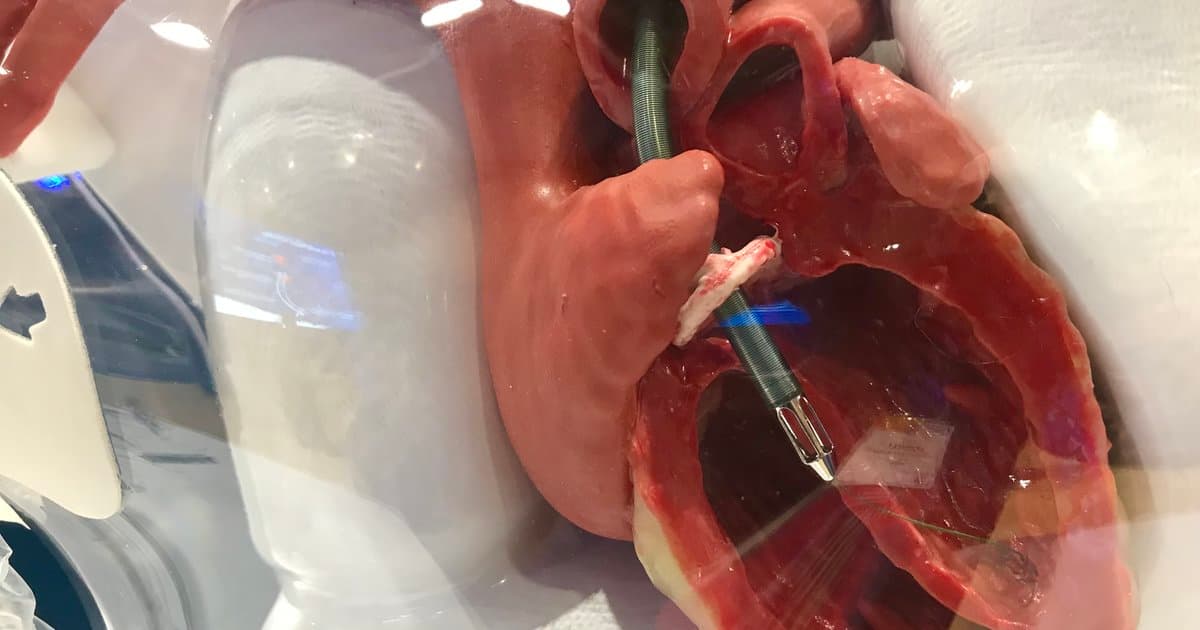
Impella 5.5 Shows Promise in Certain Non-Shock, High-Risk Cardiac Surgery Patients
Why It Matters
If prophylactic Impella 5.5 proves effective, it could lower mortality and organ injury in a vulnerable surgical cohort and broaden the device’s market beyond emergent shock treatment.
Key Takeaways
- •IMPACT trial: planned Impella 5.5 use safe in 100 high‑risk patients
- •Favorable postoperative outcomes include reduced renal failure and stroke rates
- •Device not yet FDA‑approved for prophylactic use, pending further studies
- •SURPASS registry shows 28% of 1,015 patients supported >14 days safely
- •Larger 21‑French catheter requires surgical cut‑down, limiting percutaneous use
Pulse Analysis
Mechanical circulatory support has become a cornerstone of modern cardiac surgery, with devices ranging from intra‑aortic balloon pumps to extracorporeal membrane oxygenation. The Impella 5.5 microaxial flow pump, delivering up to 5.5 L/min, earned a Class I recommendation in 2025 guidelines for treating cardiogenic shock. Its larger 21‑French catheter, however, traditionally confines use to emergent scenarios where rapid hemodynamic rescue is essential. Clinicians are now probing whether the same technology can be deployed proactively, smoothing the vulnerable transition off cardiopulmonary bypass in patients with severely depressed left‑ventricular function.
The IMPACT trial, showcased at the AATS conference, enrolled 100 non‑shock patients with an ejection fraction of 35% or less. investigators reported that initiating Impella 5.5 support before bypass separation was both safe and feasible, with early data indicating lower rates of postoperative renal failure, stroke, and cardiogenic shock compared with historical controls. Although the study is not yet FDA‑cleared for prophylactic use, these findings lay a solid foundation for larger, randomized trials that could redefine peri‑operative care pathways for high‑risk cardiac surgery.
Beyond the operating room, the SURPASS registry provides a glimpse into the device’s durability. Of the 1,015 patients tracked, 243 (28%) received support beyond the labeled 14‑day limit without a rise in major complications, suggesting that extended Impella 5.5 therapy may be viable for select heart‑failure populations. This emerging evidence could spur broader adoption, influence reimbursement policies, and accelerate regulatory discussions about expanding the device’s indicated use. Stakeholders—from surgeons to device manufacturers—should monitor these trends as they may reshape the competitive landscape of temporary mechanical circulatory support.
Impella 5.5 shows promise in certain non-shock, high-risk cardiac surgery patients
Comments
Want to join the conversation?
Loading comments...