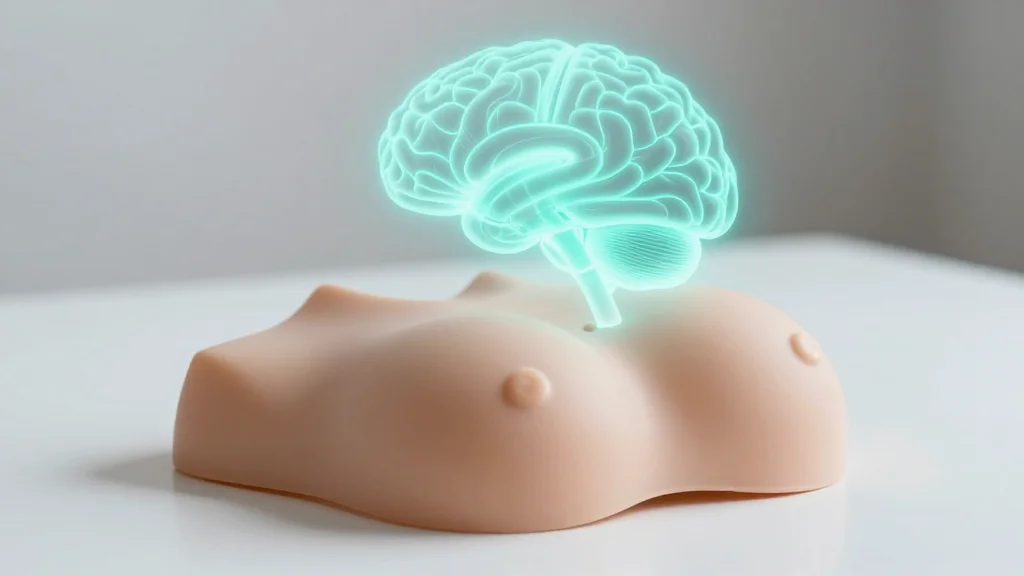
MASAI Trial Shows AI‑Augmented Mammography Beats Double Reading, Highlights FDA Gap

Why It Matters
The MASAI trial provides the first high‑quality, randomized evidence that AI can outperform the conventional double‑reading model for breast cancer screening. If regulators adapt quickly, the technology could alleviate the radiologist shortage, lower costs, and improve early detection rates, potentially saving thousands of lives. Conversely, a slow FDA response could stall the diffusion of a proven, cost‑effective solution, leaving patients to endure longer wait times and higher false‑negative rates. Beyond mammography, the trial raises broader questions about how the FDA evaluates AI‑driven medical devices that function as part of a human‑algorithm partnership. A revised regulatory approach could set precedents for other specialties—such as pathology, cardiology, and ophthalmology—where AI is poised to augment clinical decision‑making.
Key Takeaways
- •MASAI trial in Sweden showed AI‑augmented single reading outperformed standard double reading for breast cancer detection.
- •Follow‑up data published in The Lancet (April 2026) confirmed higher detection accuracy and reduced radiologist workload.
- •U.S. radiology workforce shortage, especially in rural areas, makes AI‑driven efficiency gains critical.
- •FDA’s 2021 AI/ML action plan and 2024 draft guidance lack a clear pathway for approving human‑algorithm diagnostic systems.
- •Authors call the regulatory lag a "prioritization failure" that could cost patients timely access to superior screening.
Pulse Analysis
The MASAI trial arrives at a pivotal moment when health systems are scrambling to address a chronic shortage of breast imaging specialists. Historically, double reading has been the gold standard because it mitigates human error, but it also doubles the labor burden. The trial’s evidence that a single radiologist plus a validated AI can surpass this benchmark flips the cost‑benefit equation on its head. From a market perspective, AI vendors now have a compelling data point to negotiate with payers and providers, potentially accelerating reimbursement pathways.
Regulatory inertia, however, threatens to blunt the commercial momentum. The FDA’s existing framework treats AI as a peripheral decision‑support tool, not as an integral component of a diagnostic unit. This misalignment could force manufacturers to pursue lengthy de novo or 510(k) submissions, delaying market entry and allowing competitors in jurisdictions with more agile pathways—such as the EU—to capture early adopters. The pressure is mounting for the agency to issue a dedicated guidance that recognizes the synergistic nature of human‑algorithm dyads.
Looking ahead, the MASAI results could catalyze a wave of similar trials across other imaging modalities. If regulators respond with a flexible, risk‑based approach, the health tech ecosystem may see a rapid expansion of AI‑augmented diagnostics, reshaping workforce dynamics and patient outcomes. If not, the industry risks a fragmented rollout, with pockets of innovation coexisting alongside legacy practices, ultimately slowing the realization of AI’s full potential in medicine.
MASAI Trial Shows AI‑Augmented Mammography Beats Double Reading, Highlights FDA Gap
Comments
Want to join the conversation?
Loading comments...