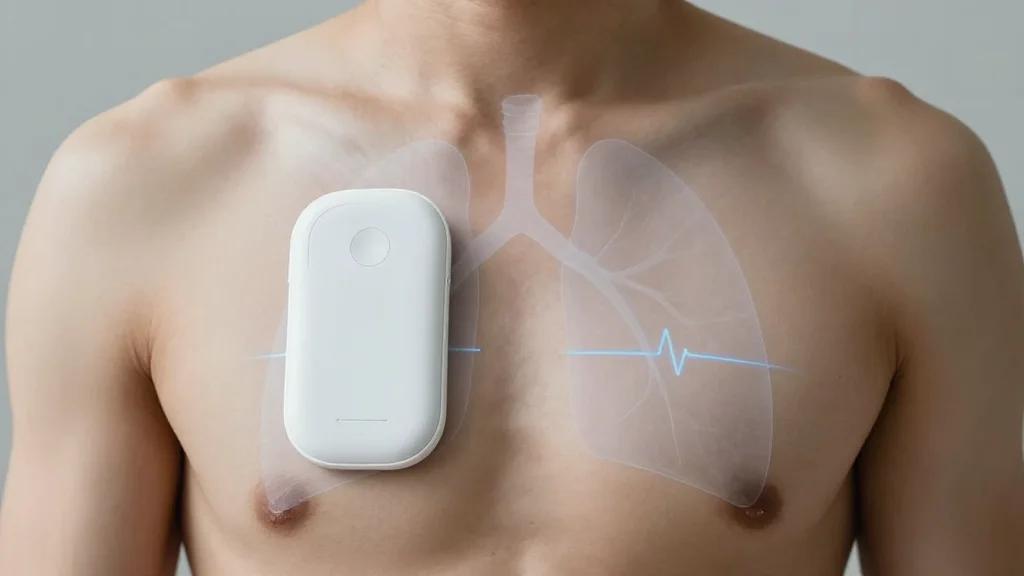
Mayo Clinic: Remote Patient Monitoring Can Detect Transplant Complications
Companies Mentioned
Why It Matters
Remote monitoring offers a scalable way to detect transplant complications sooner, potentially reducing readmissions and improving survival while easing geographic barriers for patients.
Key Takeaways
- •116 lung transplant patients monitored remotely for 12 months.
- •Median distance from clinic was 234 miles, highlighting geographic barriers.
- •470 alerts generated; about 25% prompted clinical interventions.
- •Early detection enabled earlier visits, medication adjustments, emergency evaluations.
- •Findings back scaling remote monitoring to improve transplant outcomes.
Pulse Analysis
Remote patient monitoring (RPM) is reshaping post‑operative care, especially for high‑risk procedures like lung transplantation. Traditional follow‑up relies on periodic in‑person visits, which can be logistically challenging for patients living far from specialty centers. Mayo Clinic’s year‑long study leveraged a compact home kit to continuously capture key physiological metrics, creating a data stream that alerted clinicians to subtle changes before they escalated. By converting raw measurements into actionable alerts, the program demonstrated that digital health tools can bridge the gap between discharge and long‑term stability.
The clinical impact of these alerts is significant. Roughly 25% of the 470 notifications triggered tangible interventions—ranging from medication tweaks to urgent evaluations—potentially averting severe complications and costly rehospitalizations. For healthcare systems, early detection translates into lower acute‑care expenditures and better resource allocation. Moreover, the model expands access for patients residing an average of 234 miles from the transplant center, reducing travel burdens and improving adherence to follow‑up protocols. Such outcomes align with broader industry goals of leveraging telehealth to enhance value‑based care and patient‑centered outcomes.
Looking ahead, the Mayo study sets a precedent for scaling RPM across other organ transplants and chronic conditions. Integration with electronic health records, AI‑driven risk stratification, and reimbursement frameworks will be critical to widespread adoption. As insurers recognize the cost‑saving potential of preemptive care, investment in remote monitoring infrastructure is likely to accelerate, positioning digital health firms and hospital networks to capture emerging market opportunities while delivering safer, more efficient transplant care.
Mayo Clinic: Remote patient monitoring can detect transplant complications
Comments
Want to join the conversation?
Loading comments...