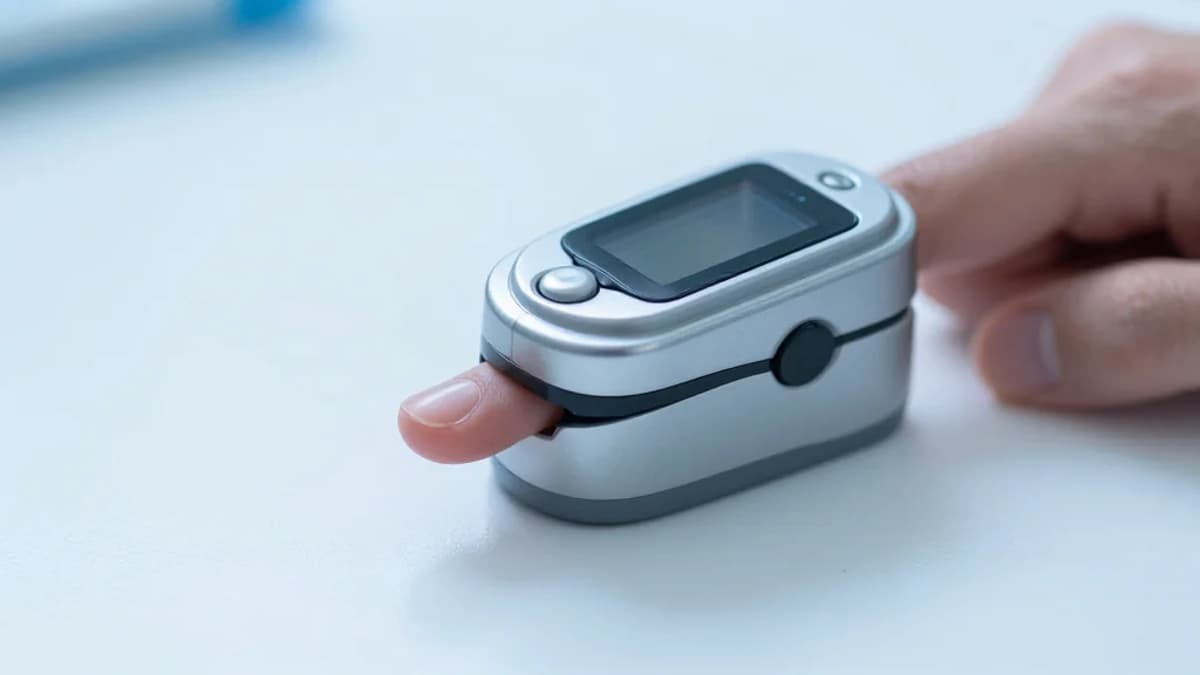
Medtronic, GE HealthCare Expand Patient Monitoring Alliance
•March 4, 2026
0
Why It Matters
The collaboration deepens technology convergence in acute care, promising lower device costs and faster adoption of advanced monitoring tools across hospitals and outpatient settings.
Key Takeaways
- •GE integrates Medtronic’s pulse oximetry, brain, capnography tech.
- •Expanded alliance covers bedside, telemetry, ambulatory monitoring.
- •Joint R&D targets wireless wearables and anesthesia visualization.
- •Commercial push aims to cut costs, harmonize platforms.
- •Partnership builds on 2012 Covidien‑GE agreement.
Pulse Analysis
The patient‑monitoring market is at a inflection point, driven by demand for continuous, high‑resolution data from both in‑hospital and remote settings. By weaving Medtronic’s proven sensor suite into GE HealthCare’s FlexAcuity, Carescape Canvas and Carevance platforms, the partnership creates a unified data pipeline that can support AI‑driven decision support and interoperable electronic health records. This technical convergence reduces the need for hospitals to juggle disparate devices, streamlining procurement and maintenance while enhancing clinical workflow efficiency.
Beyond hardware integration, the joint R&D agenda signals a shift toward wearable and wireless solutions that extend monitoring beyond traditional bedside confines. Incorporating next‑generation Nellcor pulse oximetry and BIS Advance brain‑monitoring into portable form factors enables real‑time physiologic insights during ambulatory surgeries and post‑acute care. The addition of anesthesia airway visualization further broadens the clinical scope, positioning the combined offering as a comprehensive suite for peri‑operative and critical‑care environments. Cost‑saving commercial initiatives, such as bundled pricing and platform harmonisation, are expected to improve margin pressures for both manufacturers and health systems.
Strategically, the expanded alliance reinforces Medtronic’s role as a technology licensor while bolstering GE HealthCare’s position against rivals like Philips and Siemens Healthineers. As hospitals prioritize value‑based care and digital transformation, integrated monitoring solutions that deliver actionable data at lower total cost of ownership become a competitive differentiator. The partnership’s focus on wearables and advanced analytics also aligns with broader industry trends toward remote patient management, suggesting that future iterations may further blur the line between inpatient and outpatient monitoring ecosystems.
Medtronic, GE HealthCare expand patient monitoring alliance
0
Comments
Want to join the conversation?
Loading comments...