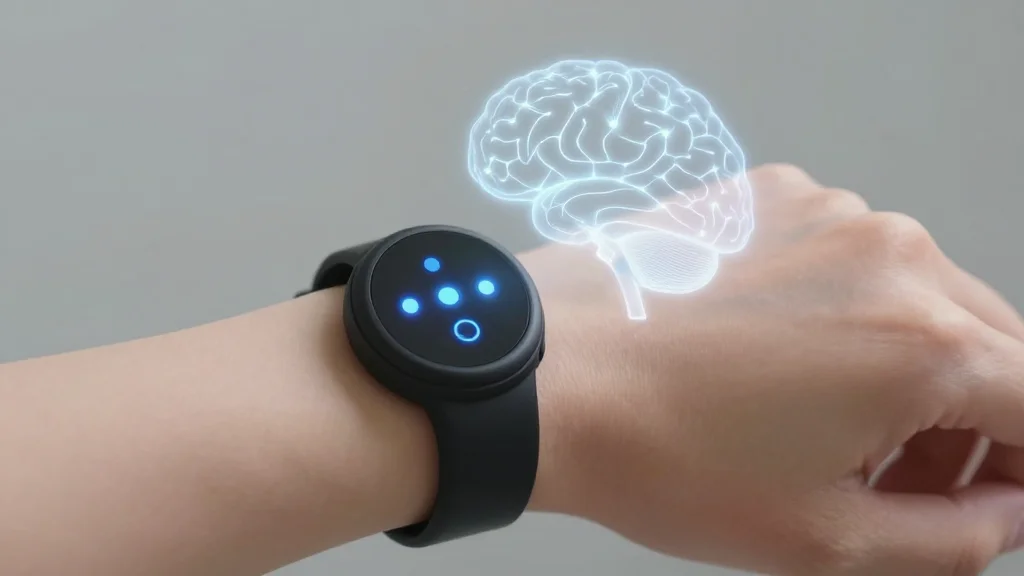
Neurava Secures $4M NIH Blueprint Award to Build First SUDEP Risk Algorithm

Why It Matters
The NIH’s $4 million investment signals a strategic shift toward data‑driven, wearable solutions for neurological disorders, an area historically dominated by invasive devices and limited biomarkers. By targeting SUDEP—a leading cause of death in epilepsy—Neurava’s work could fill a critical gap in patient safety, offering clinicians a quantifiable risk metric that has been absent from standard care. Beyond patient outcomes, the project could reshape funding priorities for neuro‑tech startups, encouraging more ventures to pursue AI‑enabled risk stratification platforms. Successful validation would also provide a template for regulatory pathways, potentially accelerating the translation of other wearable‑based diagnostics into the clinic.
Key Takeaways
- •Neurava receives a $4 million NIH Blueprint MedTech Optimizer award for SUDEP risk algorithm development.
- •Funding supports a four‑year program to create, validate, and integrate a quantitative risk‑stratification platform with Neurava’s wearable device.
- •Co‑CEOs Vivek Ganesh and Jay Shah emphasize the need for objective, actionable SUDEP risk metrics.
- •University of Iowa neurologist George Richerson highlights the potential to standardize SUDEP assessment across clinical settings.
- •Project aims for first‑in‑human trials by late 2027 and may trigger additional private and public investment in neuro‑health AI.
Pulse Analysis
Neurava’s award reflects a broader trend of federal agencies leveraging competitive grants to de‑risk early‑stage neuro‑technology. Historically, SUDEP research has been fragmented, relying on retrospective cohort studies and limited physiological markers. By funneling $4 million into a unified, AI‑driven framework, the NIH is effectively betting that wearable data streams can be harmonized into a clinically useful signal. If Neurava succeeds, it could catalyze a wave of similar initiatives, prompting venture capitalists to allocate more capital to non‑invasive neuro‑monitoring platforms.
From a market perspective, the infusion of federal dollars may compress the timeline for regulatory approval. The FDA’s Breakthrough Devices Program, which Neurava intends to engage, can shave months—or even years—off the traditional review process. This acceleration could give early movers a decisive advantage in a market projected to exceed $2 billion by 2030. Competitors that rely on implantable hardware may find themselves at a disadvantage if clinicians gravitate toward less invasive, data‑rich solutions that integrate seamlessly into patients’ daily lives.
However, the path forward is not without hurdles. Algorithmic transparency, data privacy, and the need for diverse, high‑quality training datasets remain significant challenges. Moreover, the clinical community will demand rigorous evidence that the algorithm improves outcomes beyond existing risk scores. Neurava’s ability to navigate these scientific and regulatory complexities will determine whether the $4 million grant translates into a transformative product or remains a promising proof of concept.
Neurava Secures $4M NIH Blueprint Award to Build First SUDEP Risk Algorithm
Comments
Want to join the conversation?
Loading comments...