New AI-Enabled Heart Failure Implant Shows Early Potential
•March 4, 2026
0
Why It Matters
The technology offers a non‑pharmaceutical route to decongest heart‑failure patients, potentially curbing costly rehospitalizations and expanding treatment options for those unresponsive to diuretics.
Key Takeaways
- •AI valve modulates IVC pressure for renal perfusion.
- •8‑patient study showed 100% procedural success, no adverse events.
- •Sustained renal flow increase observed at 90 days.
- •Early data suggest reduced heart‑failure hospitalizations.
- •$12 M financing positions Relief for broader clinical rollout.
Pulse Analysis
Heart failure remains a leading cause of hospital readmissions, especially for patients whose condition no longer responds to diuretics. Traditional management relies on medication adjustments, yet renal impairment often limits drug efficacy. Implantable monitoring solutions like CardioMEMS have demonstrated that continuous pressure data can guide therapy, but they stop short of delivering active treatment. The Relief System builds on this paradigm by not only measuring hemodynamics but also dynamically adjusting venous pressure, targeting the cardiorenal feedback loop that drives congestion.
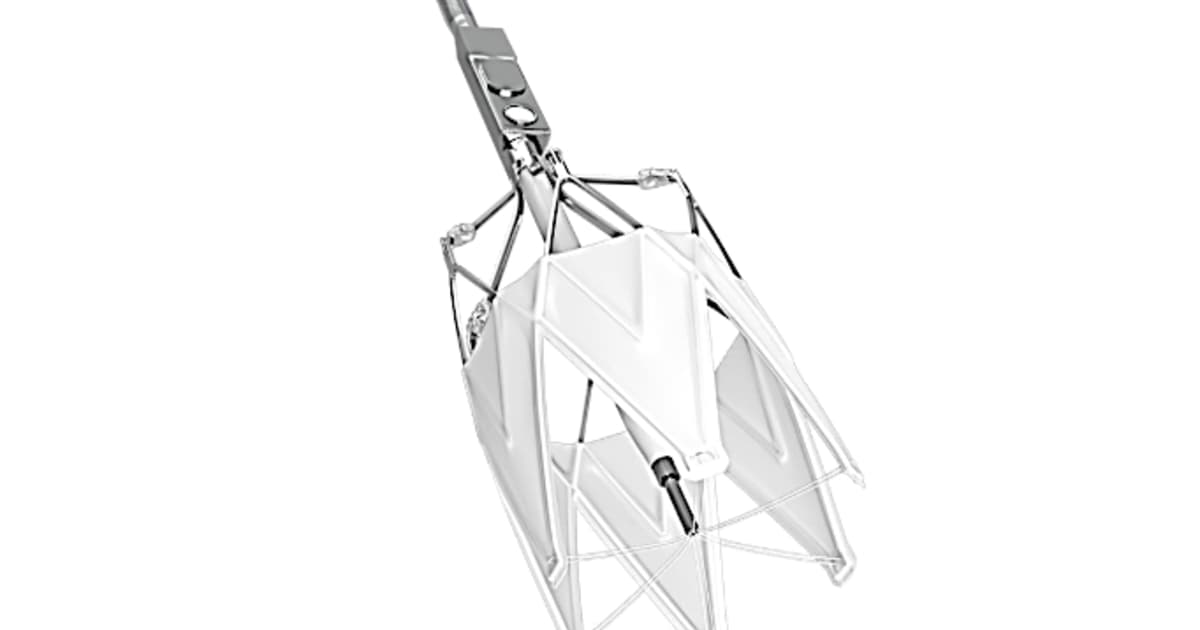
The device integrates a miniature valve within the inferior vena cava, paired with a sensor that streams real‑time pressure readings to a cloud‑based algorithm. Artificial intelligence interprets the data and modulates valve opening to lower venous pressure, thereby enhancing renal perfusion and promoting fluid removal. In the multi‑center RELIEF‑FIH trial, eight patients experienced immediate procedural success, with average implantation times under ten minutes and no adverse events through 90 days. Hemodynamic measurements aligned closely with invasive catheter data, confirming accuracy, while renal vein flow remained elevated, indicating sustained decongestion.
Beyond clinical promise, the Relief System signals a shift in heart‑failure economics. The $12 million capital infusion underscores investor confidence and provides resources for larger pivotal studies and regulatory submissions. If subsequent trials replicate the early reductions in hospitalization rates, insurers could see significant cost savings, and clinicians would gain a tool that complements, rather than replaces, pharmacotherapy. The convergence of AI, minimally invasive hardware, and cloud connectivity positions Relief Cardiovascular to influence future standards of care for a high‑risk, underserved patient segment.
New AI-enabled heart failure implant shows early potential
0
Comments
Want to join the conversation?
Loading comments...