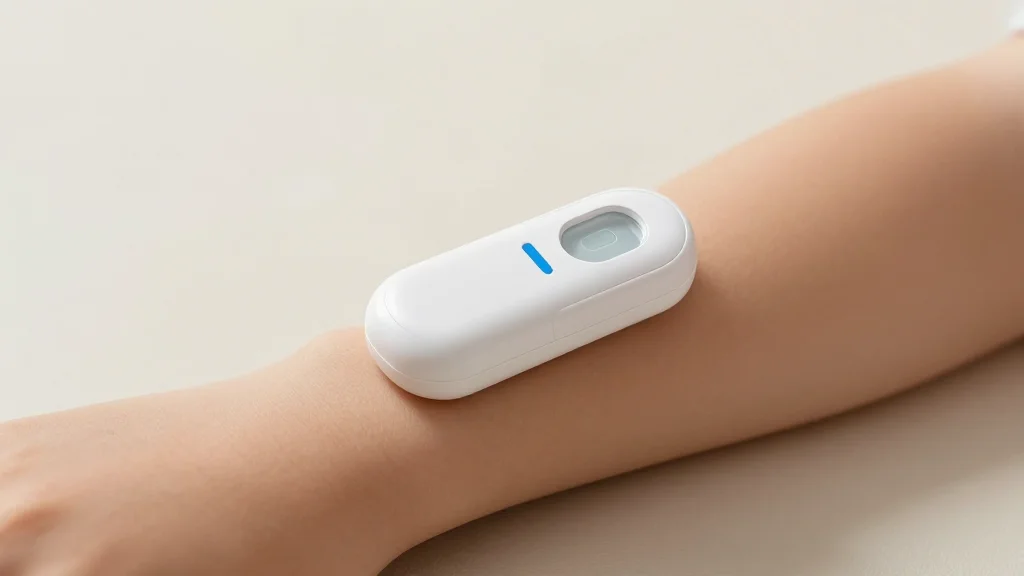
NHS Rolls Out World‑First Artificial Pancreas Program for Kids

Why It Matters
The NHS artificial pancreas rollout demonstrates that large‑scale, publicly funded deployment of advanced digital therapeutics can deliver measurable clinical benefits within a short timeframe. By improving glycaemic control and cutting severe complications like DKA, the programme promises to reduce long‑term healthcare costs and improve quality of life for thousands of children. Moreover, the initiative positions the UK as a testbed for future closed‑loop applications, potentially accelerating adoption for type 2 diabetes and other chronic conditions. Beyond clinical outcomes, the rollout raises critical questions about health equity, reimbursement models, and the capacity of health systems to integrate AI‑driven devices at scale. Success will depend on addressing regional access gaps, ensuring robust data governance, and aligning incentives across clinicians, manufacturers, and payers. The programme’s trajectory will likely influence policy decisions in other high‑income nations contemplating similar digital health investments.
Key Takeaways
- •73% of eligible children and young people in England and Wales are now using hybrid closed‑loop insulin pumps, up from 43% at launch.
- •Median HbA1c for paediatric patients fell to 55.5 mmol/mol, the lowest level recorded in over 15 years.
- •Children achieving NICE’s HbA1c target (≤48 mmol/mol) rose to 19.2% from 15.4% pre‑rollout.
- •Hospital admissions for non‑diagnostic diabetic ketoacidosis dropped from 0.8% to 0.4%, a 50% reduction.
- •The programme will shift focus to adults with type‑1 diabetes for the remaining three years of its five‑year plan.
Pulse Analysis
The NHS’s artificial pancreas programme marks a watershed moment for publicly funded digital health innovation. Historically, closed‑loop systems have been confined to specialist centres or private insurers, limiting their impact on population health. By embedding the technology within the NHS’s universal coverage model, the UK is testing whether scale can be achieved without sacrificing safety or efficacy. Early metrics suggest that the answer is yes, but the real test will be whether the adult phase can replicate paediatric uptake and outcomes.
From a market perspective, the rollout sends a clear message to device manufacturers: health systems are ready to move beyond fragmented pilots toward integrated, algorithm‑driven care pathways. Companies that can demonstrate interoperability with NHS electronic health records, robust data security, and clear cost‑benefit analyses will likely secure future contracts. At the same time, the programme may pressure private insurers in other countries to accelerate their own closed‑loop offerings, potentially reshaping global pricing dynamics.
Policy‑wise, the initiative underscores the importance of aligning technology adoption with equity safeguards. Hilary Nathan’s warning about access barriers is a reminder that even the most advanced therapy can exacerbate health disparities if rollout strategies ignore socioeconomic and geographic factors. The NHS’s next steps—publishing detailed outcome data, refining reimbursement frameworks, and expanding training for clinicians—will be critical in ensuring that the artificial pancreas becomes a standard of care rather than a niche solution. If successful, the programme could serve as a blueprint for integrating AI‑enabled medical devices across a range of chronic diseases, heralding a new era of data‑driven, patient‑centred healthcare.
NHS Rolls Out World‑First Artificial Pancreas Program for Kids
Comments
Want to join the conversation?
Loading comments...