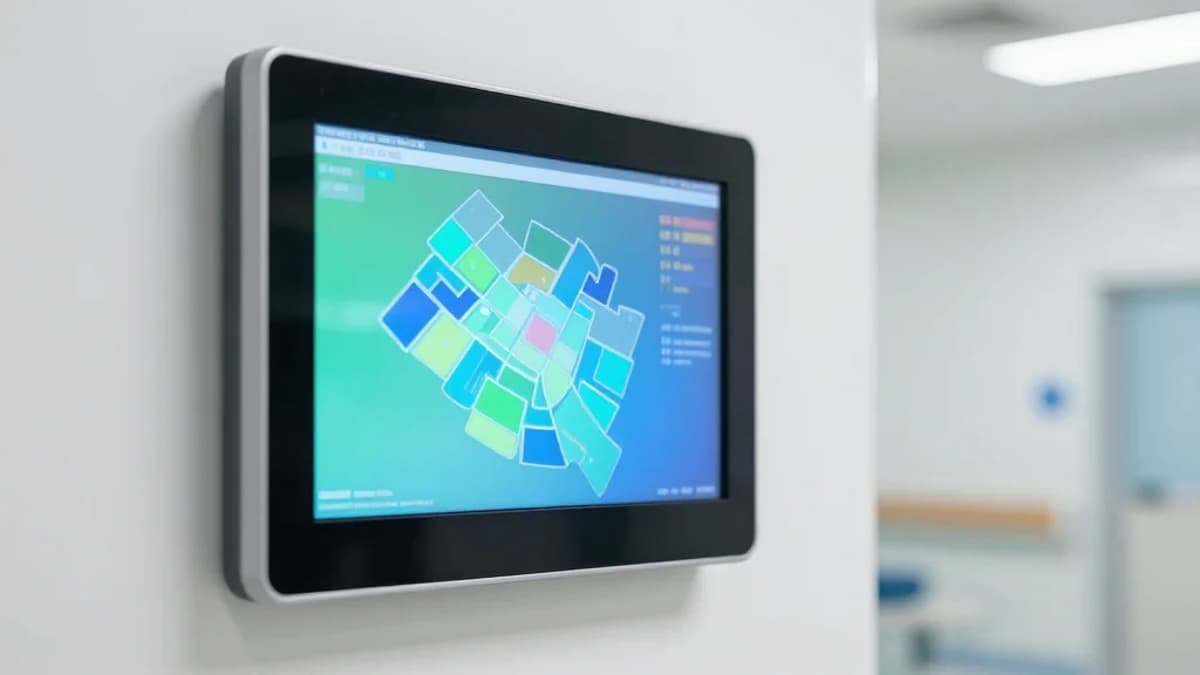
North York General Smooths ED Flow Using AI
•February 25, 2026
0
Why It Matters
By cutting delays, the system improves patient safety and operational efficiency, offering a scalable model for AI‑enhanced emergency care across Canada.
Key Takeaways
- •AI directs patients to less crowded ED zones.
- •Reduces wait times and LWBS (left without being seen) rates.
- •Clinicians retain final decision authority.
- •Developed with Signal 1, tested in real scenarios.
- •Part of broader digital health strategy at NYGH.
Pulse Analysis
Emergency departments across Ontario are grappling with unprecedented patient volumes, stretching staff and inflating wait times. In response, North York General Hospital has deployed SmartER Zones, an artificial‑intelligence platform built by Toronto‑based Signal 1. The system continuously monitors zone capacity, triage data, and patient vitals, then generates a ranked list of alternative care zones for anyone who exceeds a predefined waiting threshold. By surfacing these recommendations directly within the electronic medical record, the tool gives nurses a real‑time view of where space is opening, allowing them to move patients before delays become critical.
Because the algorithm only suggests zones and never dictates clinical care, physicians retain full authority over patient placement, preserving the essential role of clinical judgment. Early data from the pilot indicate that patients are being redirected an average of 12 minutes sooner, which translates into faster assessments and a measurable drop in the number of individuals leaving without being seen. The system also flags cases at risk of prolonged stays, prompting targeted interventions such as rapid diagnostics or senior review. By smoothing intra‑departmental flow, SmartER Zones helps mitigate the safety hazards associated with six‑hour wait thresholds.
The rollout positions North York General as a testbed for responsible AI in Canadian hospitals, aligning with provincial goals to modernize acute‑care delivery. Signal 1’s AI Management System provides governance layers—audit trails, performance monitoring, and bias checks—that address regulatory concerns while enabling rapid scaling to other facilities. If the early metrics hold, the model could be replicated across Ontario’s health network, offering a template for AI‑driven patient flow optimization that balances efficiency with clinician oversight. Such deployments signal a shift toward data‑centric operations, where predictive analytics become integral to everyday emergency medicine.
North York General smooths ED flow using AI
0
Comments
Want to join the conversation?
Loading comments...