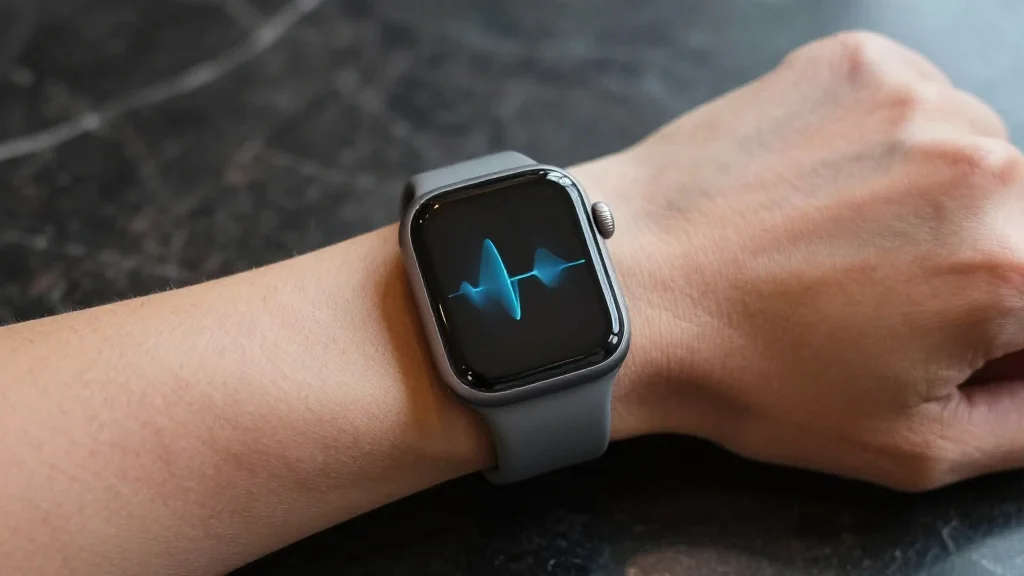
NPR’s Manoush Zomorodi Releases ‘Body Electric,’ Examining Tech’s Toll on Physical Health


Why It Matters
Body Electric expands the dialogue around health technology beyond data privacy and mental health, foregrounding the physical toll of constant device interaction. By coupling journalistic storytelling with peer‑reviewed research, the book offers a credible evidence base that could inform product design, workplace ergonomics policies, and consumer education. If the health‑tech industry embraces the ergonomic insights highlighted in Zomorodi’s work, it could lead to a new wave of devices that actively monitor posture, movement and musculoskeletal strain, potentially reducing the prevalence of tech‑related neck and back pain that millions report.
Key Takeaways
- •Manoush Zomorodi releases Body Electric, a book examining technology’s impact on physical health.
- •The project is a joint effort between NPR and Columbia University Medical Center and includes a peer‑reviewed study.
- •Zomorodi cites personal neck pain from prolonged phone use as a catalyst for the research.
- •The book highlights ergonomic concerns that could influence future wearable and AR device design.
- •Upcoming speaking tour aims to translate findings into actionable guidance for developers and clinicians.
Pulse Analysis
Zomorodi’s transition from podcast host to quasi‑scientist reflects a broader trend where media personalities leverage large, engaged audiences to generate health data. This model blurs the line between traditional journalism and participatory research, offering a low‑cost method for gathering real‑world evidence. However, it also raises questions about data quality, consent, and the reproducibility of findings outside controlled clinical settings.
From a market perspective, the book arrives as device manufacturers grapple with user fatigue and ergonomic backlash. Companies that embed posture‑tracking sensors or adaptive UI elements may gain a competitive edge, especially if insurers begin to recognize tech‑induced musculoskeletal disorders as reimbursable conditions. The peer‑reviewed component of Zomorodi’s work could serve as a catalyst for more rigorous, third‑party validation of health‑tech claims, pushing the industry toward higher standards of evidence.
Looking ahead, the health‑tech ecosystem will likely see increased collaboration between media outlets, academic institutions, and product developers. If Zomorodi’s outreach succeeds in shifting consumer expectations toward healthier device usage, we could witness a wave of design patents focused on ergonomics, as well as new regulatory guidelines that mandate ergonomic disclosures for consumer electronics. The book’s impact will be measured not just in sales, but in whether it spurs tangible changes in how technology is built and used.
NPR’s Manoush Zomorodi Releases ‘Body Electric,’ Examining Tech’s Toll on Physical Health
Comments
Want to join the conversation?
Loading comments...