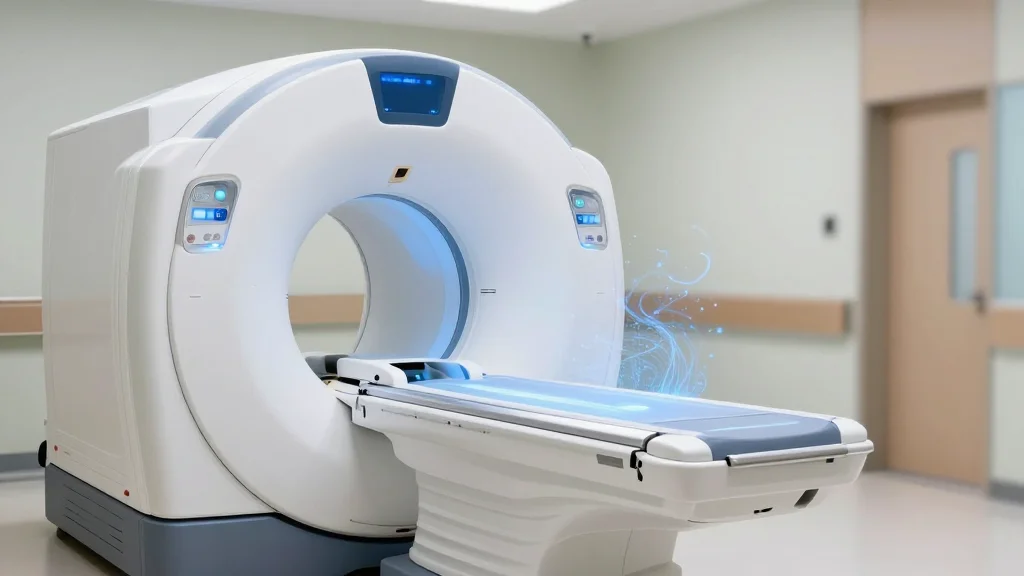
Philips and WellSpan Health Seal 7‑Year Alliance to Deploy AI‑Driven Imaging Across 12 Hospitals

Companies Mentioned
Why It Matters
The Philips‑WellSpan alliance illustrates a growing trend of deep, multi‑year collaborations that go beyond simple equipment sales to embed AI, research and lifecycle services into community health systems. By standardizing imaging platforms across a large regional network, the partnership promises to generate robust data for AI validation, potentially accelerating the adoption of predictive diagnostics and reducing costs for payers. Moreover, the focus on reclaiming over 500,000 staff hours each year highlights how technology can address workforce shortages, a critical issue for hospitals nationwide. If successful, the model could reshape procurement strategies, encouraging other health‑tech firms to offer bundled hardware‑software‑service contracts tied to measurable performance metrics. This could drive a shift toward outcome‑based pricing and create new revenue streams for both vendors and health systems, ultimately influencing how care is delivered in community settings across the United States.
Key Takeaways
- •Philips becomes preferred imaging vendor for all 12 WellSpan hospitals and associated centers.
- •Seven‑year alliance includes joint R&D, AI workflow tools and a coordinated equipment lifecycle plan.
- •WellSpan aims to save more than 500,000 staff hours annually through AI‑enabled efficiency gains.
- •The partnership covers over 250 locations and a workforce of roughly 23,000 providers.
- •First Philips‑U.S. community health system research agreement, targeting AI validation and new product co‑development.
Pulse Analysis
The Philips‑WellSpan deal signals a strategic pivot from transactional equipment sales to integrated, data‑driven health ecosystems. Historically, large vendors have struggled to gain traction in community hospitals, where budget constraints and fragmented IT environments limit adoption of cutting‑edge tools. By locking in a preferred‑vendor status and aligning service, training and upgrade cycles, Philips reduces the friction that typically hampers technology rollouts. This alignment also creates a single source of truth for imaging data, a prerequisite for training reliable AI models at scale.
From a market perspective, the alliance could pressure competing vendors—such as GE Healthcare and Siemens Healthineers—to craft similar long‑term, outcome‑based agreements. The emphasis on measurable workforce‑time savings introduces a new KPI for health‑tech contracts, moving the conversation from capital expenditure to operational efficiency. If the projected half‑million‑hour savings materialize, it would provide a compelling case study for insurers and policymakers seeking to address provider burnout and capacity constraints.
Looking ahead, the success of this partnership will hinge on the speed and rigor of the joint research agenda. Transparent publication of AI performance metrics could set industry standards and accelerate broader adoption across the U.S. health system. Conversely, any delays or under‑performance may reinforce skepticism around AI’s promised benefits. Either way, the Philips‑WellSpan alliance is a litmus test for the viability of deep, collaborative models that blend hardware, software and research to reshape community health care delivery.
Philips and WellSpan Health Seal 7‑Year Alliance to Deploy AI‑Driven Imaging Across 12 Hospitals
Comments
Want to join the conversation?
Loading comments...