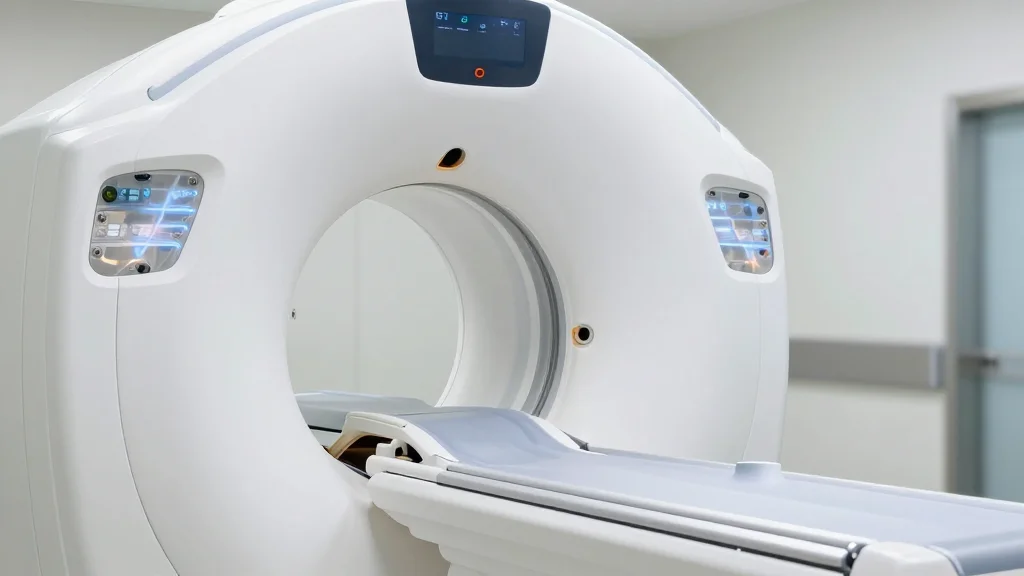
Philips Secures FDA Clearance for Rembra CT Platform, Boosting Frontline Imaging Speed

Companies Mentioned
Why It Matters
The FDA clearance of Philips' Rembra platform marks a pivotal step toward addressing the chronic bottleneck in hospital imaging capacity. By promising up to 270 scans per day without compromising image quality, the system could alleviate emergency‑department crowding, reduce diagnostic delays, and improve patient outcomes. In oncology, the integrated CT and radiation‑therapy planning capabilities streamline the care continuum, potentially shortening the time from diagnosis to treatment and enabling more precise, personalized radiotherapy. Beyond operational benefits, the Rembra platform underscores a broader industry trend: the convergence of diagnostic imaging and therapeutic planning within a single, data‑rich ecosystem. As AI and cloud‑based analytics become more embedded in clinical workflows, platforms that can feed high‑quality, high‑volume data into these tools will command premium pricing and shape future standards for connected care. Philips' move may accelerate competitive pressure on rivals to deliver similarly integrated, high‑throughput solutions, reshaping the health‑tech market landscape.
Key Takeaways
- •Philips received FDA 510(k) clearance for Rembra CT, Rembra RT and Areta RT systems.
- •Rembra CT features an 85 cm bore and can handle up to 270 exams per day.
- •The platform unifies diagnostic CT and radiation‑therapy planning in a single workflow.
- •Philips targets both emergency‑department imaging and oncology treatment planning markets.
- •Rollout begins in select U.S. and European hospitals, with global launch planned for early 2027.
Pulse Analysis
Philips' clearance of the Rembra platform arrives at a moment when hospitals are wrestling with two intersecting pressures: soaring imaging volumes and the need for tighter integration between diagnosis and therapy. Historically, CT scanners have been optimized for either speed or image fidelity, forcing clinicians to make trade‑offs. Rembra attempts to collapse that dichotomy by marrying a large‑bore design with next‑gen reconstruction algorithms, promising both throughput and precision. If the claimed 270 exams per day hold up in practice, the platform could shift the economics of imaging departments, turning a traditionally cost‑center into a modest revenue generator.
From a competitive standpoint, Siemens Healthineers recently launched its SOMATOM go.Up system, which also touts high‑speed scanning, while GE Healthcare has emphasized AI‑enhanced image reconstruction. Philips differentiates itself by bundling CT with radiation‑therapy planning hardware, a move that could lock in customers seeking end‑to‑end solutions. This vertical integration may also accelerate adoption of Philips' HealthSuite AI services, creating a virtuous cycle of data collection and algorithm refinement. However, the success of this strategy hinges on real‑world validation; hospitals will scrutinize not just scan speed but also maintenance costs, downtime, and the learning curve for technologists.
Looking forward, the Rembra platform could set a new benchmark for what clinicians expect from CT: a device that is as much a data acquisition engine as a diagnostic tool. As value‑based care models reward efficiency and outcome‑based metrics, manufacturers that can demonstrate measurable reductions in patient length‑of‑stay or improvements in treatment accuracy will gain a competitive edge. Philips' early mover advantage in integrating imaging and therapy may force the market toward more holistic, workflow‑centric product designs, reshaping capital‑allocation decisions across health systems worldwide.
Philips Secures FDA Clearance for Rembra CT Platform, Boosting Frontline Imaging Speed
Comments
Want to join the conversation?
Loading comments...