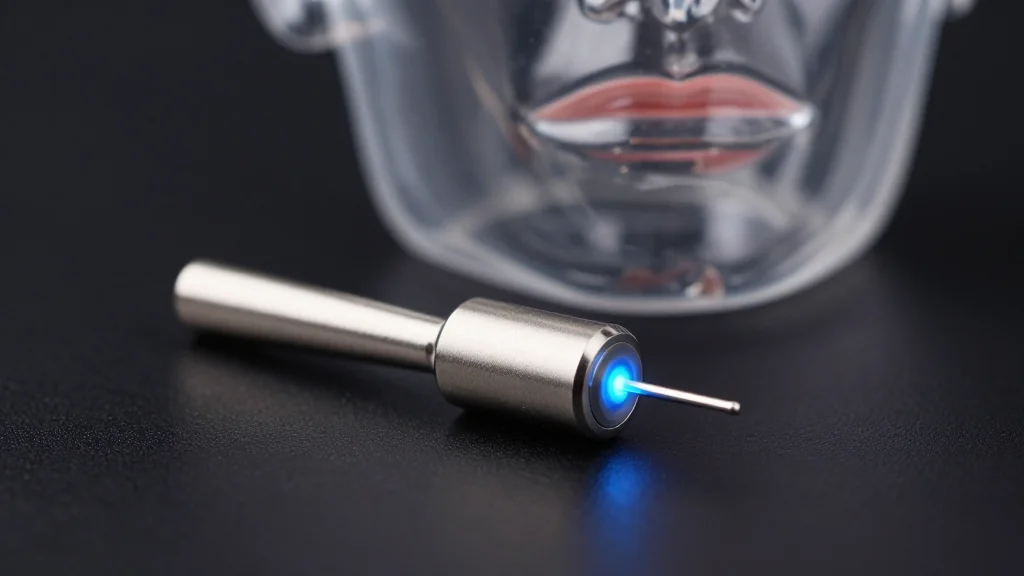
Pioneering ‘OSA Pacemaker’ to Prevent Airway Collapse During Sleep Now Available in the UK
Key Takeaways
- •Inspire's hypoglossal nerve stimulator approved for UK patients
- •Targets moderate‑severe OSA patients intolerant to CPAP
- •NHS reimburses device for eligible patients with AHI 15‑65
- •Over 125,000 global implants demonstrate safety and efficacy
- •Implant risks include infection, temporary tongue weakness
Pulse Analysis
Obstructive sleep apnoea (OSA) continues to be a silent public‑health crisis in the UK, affecting nearly 25 % of adults and driving long‑term cardiovascular and metabolic disease. While continuous positive airway pressure (CPAP) has been the gold‑standard therapy since the 1980s, real‑world adherence rates hover below 60 %, with almost half of patients abandoning treatment within three years. This adherence gap has spurred innovation, and Inspire Medical Systems' hypoglossal nerve stimulator—dubbed an OSA pacemaker—represents the most advanced alternative, offering a physiological solution without the burdens of masks or nightly consumables.
The implantable system works by delivering gentle, breath‑synchronised electrical pulses to the hypoglossal nerve, which controls tongue positioning. By preventing airway collapse during inhalation, it reduces apnoeic events and restores restorative sleep. Clinical trials and post‑market studies consistently report significant reductions in the Apnoea‑Hypopnoea Index and improvements in quality‑of‑life scores, with adherence rates surpassing those of CPAP. In the UK, patients qualify if they have an AHI of 15‑65, a BMI of 35 kg/m² or lower, and less than 25 % central or mixed apnoea. The NHS now reimburses the therapy in several trusts, streamlining access for eligible adults who have failed or cannot tolerate CPAP.
The introduction of this technology could reshape the sleep‑medicine landscape, reducing the economic and societal costs linked to untreated OSA, such as road‑traffic accidents and chronic disease management. With over 125,000 implants worldwide, the device has demonstrated a solid safety profile, though surgical risks like infection and temporary tongue weakness remain. As NHS adoption expands, clinicians will need to develop clear pathways for patient selection, post‑implant monitoring, and multidisciplinary follow‑up. Ultimately, the OSA pacemaker offers a promising avenue to improve long‑term health outcomes for millions of sleepers who have struggled with conventional therapies.
Pioneering ‘OSA pacemaker’ to prevent airway collapse during sleep now available in the UK
Comments
Want to join the conversation?