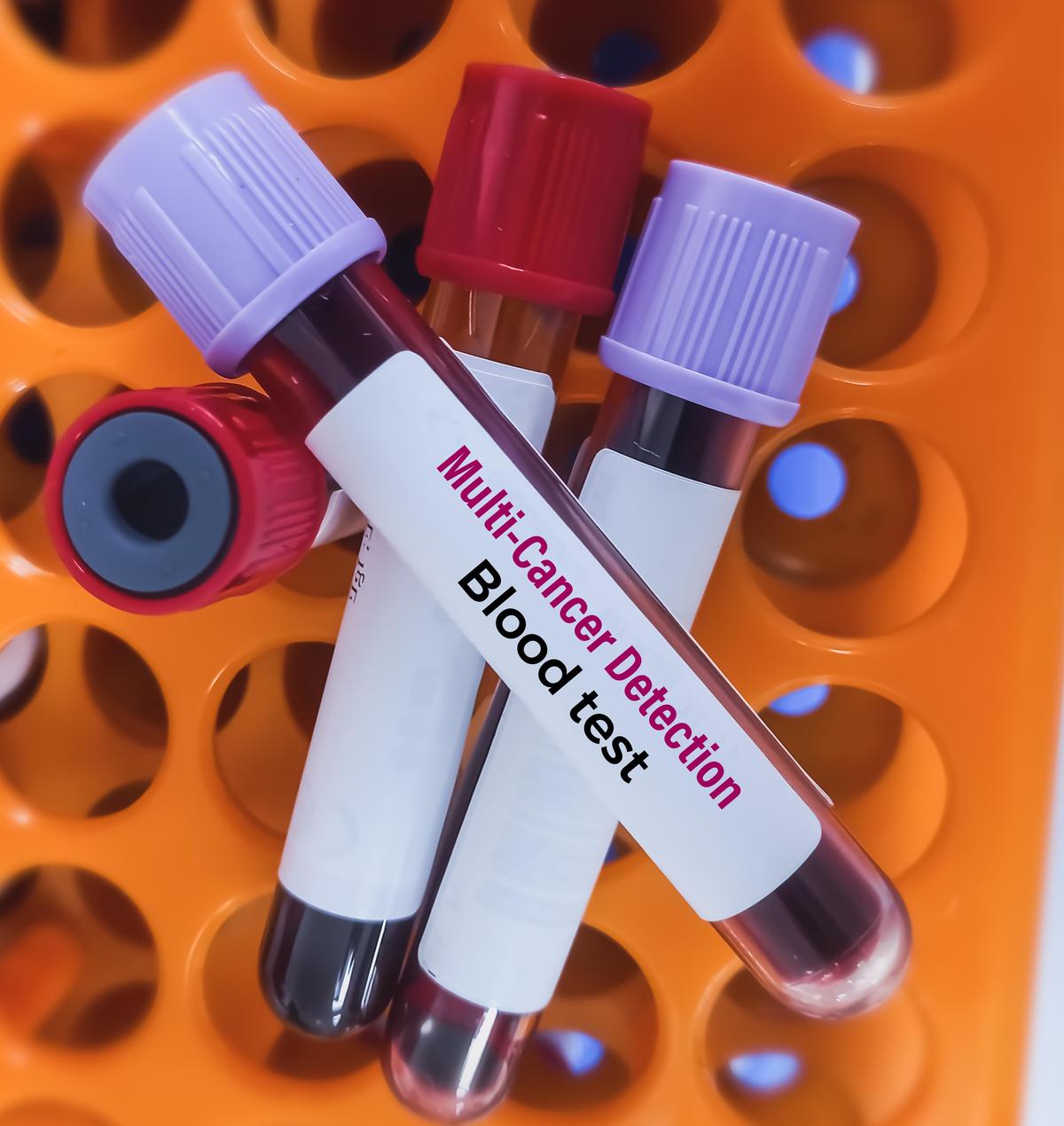
Promises And Pitfalls Of Multi-Cancer Diagnostic Tests
•March 3, 2026
0
Why It Matters
The technology could reshape cancer screening economics, yet uncertain performance and limited outcome data risk costly overuse and payer resistance.
Key Takeaways
- •Sensitivity varies, some cancers detected at 30% early-stage
- •High specificity still yields many false positives in healthy screens
- •Medicare coverage slated for 2028, limited to under 68 initially
- •Clinical utility evidence remains limited, hindering payer adoption
Pulse Analysis
Multi‑cancer early detection (MCED) tests aim to identify tumor‑derived DNA, RNA or protein fragments in blood, urine or saliva, offering a single‑sample alternative to organ‑specific screens. Proponents argue that catching malignancies before symptoms appear could complement existing mammograms, colonoscopies and low‑dose CT scans, potentially saving lives as treatment efficacy improves. The most visible commercial example, Galleri, markets a 50‑cancer panel and has sparked investor enthusiasm. Yet the technology is still nascent, with regulatory approval pending and real‑world performance data limited to early‑stage clinical trials.
The clinical reality, however, tempers optimism. Sensitivity for early‑stage disease ranges widely, with some tumor types detected in only 30 % of cases, while specificity, though high, still produces a substantial false‑positive burden when applied to asymptomatic populations. A recent study found 62 % of positive MCED results were false alarms, triggering costly imaging, biopsies and patient anxiety—a phenomenon dubbed the ‘diagnostic odyssey.’ Payers therefore question whether the incremental health benefit justifies the $500‑plus price tag, especially given scant evidence of mortality reduction.
Legislative action is shaping the market. The 2026 Medicare Multi‑Cancer Early Detection Screening Coverage Act mandates coverage beginning in 2028, initially for beneficiaries under 68 and limited to one test per 11 months, with reimbursement aligned to stool‑DNA tests. This modest pricing signal may encourage manufacturers but also underscores the need for robust health‑economic data. Clinicians remain divided; some view MCED as a valuable adjunct, others caution against routine use in low‑risk individuals until larger outcome studies confirm clinical utility. The next few years will determine whether MCED becomes a standard preventive tool or a niche offering.
Promises And Pitfalls Of Multi-Cancer Diagnostic Tests
0
Comments
Want to join the conversation?
Loading comments...