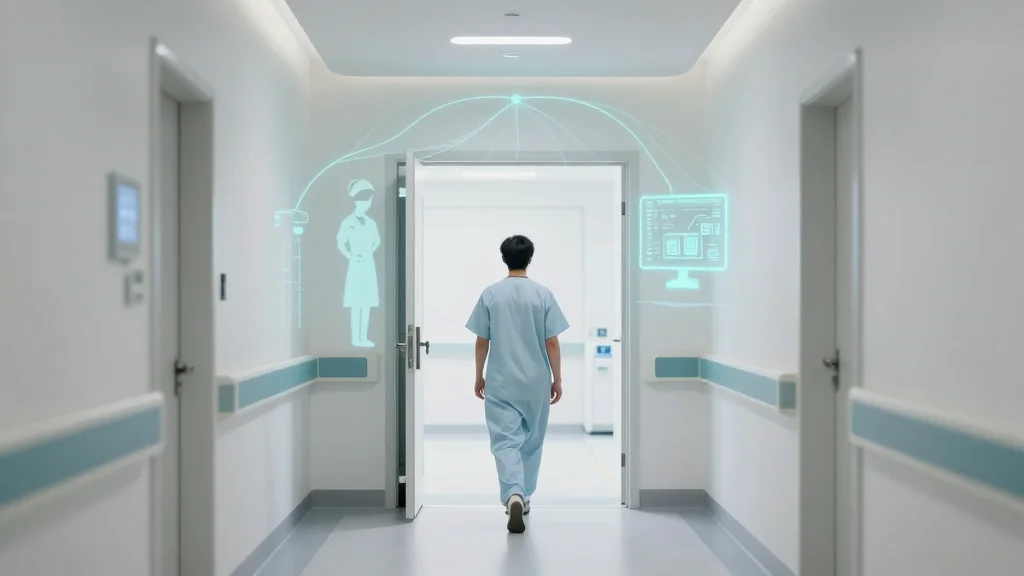
Reimagining the Smart Hospital, Cleveland Clinic Style
Companies Mentioned

Why It Matters
The approach demonstrates how integrating data and workflow can cut length of stay, improve patient outcomes, and set a scalable blueprint for hospitals nationwide seeking value‑based care.
Key Takeaways
- •Cleveland Clinic prioritizes patient journey over hardware in smart hospital design
- •AI-driven analytics integrate pre‑admission data to personalize care pathways
- •Seamless network infrastructure enables real‑time data sharing across departments
- •Clinician and staff adoption emphasized through training and intuitive interfaces
- •Model aims to reduce length of stay and improve outcomes
Pulse Analysis
The push toward a "smart hospital" has often been equated with flashy equipment, but Cleveland Clinic is flipping the script. By centering the patient experience from the moment a referral is made, the health system leverages artificial intelligence to aggregate electronic health records, wearable data and social determinants of health. This pre‑admission intelligence feeds into dynamic care pathways, allowing clinicians to anticipate needs, allocate resources efficiently, and personalize treatment plans before the bedside encounter begins.
Underlying this vision is a next‑generation network infrastructure that guarantees sub‑second data latency across the campus. Cleveland Clinic invested in fiber‑optic backbones, edge computing nodes, and unified security frameworks to ensure that imaging, lab results and bedside monitoring flow uninterrupted between departments. The result is a real‑time digital twin of each patient’s journey, enabling rapid decision‑making, coordinated multidisciplinary care, and a reduction in redundant testing. Such connectivity is essential for scaling AI models that predict complications, readmissions, or optimal discharge timing.
The human factor remains the linchpin. Recognizing that technology adoption stalls without clinician buy‑in, Cleveland Clinic rolled out immersive training programs and designed user interfaces that mirror existing workflows. By embedding analytics directly into electronic health record dashboards, staff can act on insights without switching platforms. Early metrics suggest shorter lengths of stay and higher patient satisfaction scores, positioning Cleveland Clinic’s model as a replicable template for health systems aiming to meet value‑based reimbursement goals while delivering a truly integrated, patient‑centric experience.
Reimagining the smart hospital, Cleveland Clinic style
Comments
Want to join the conversation?
Loading comments...