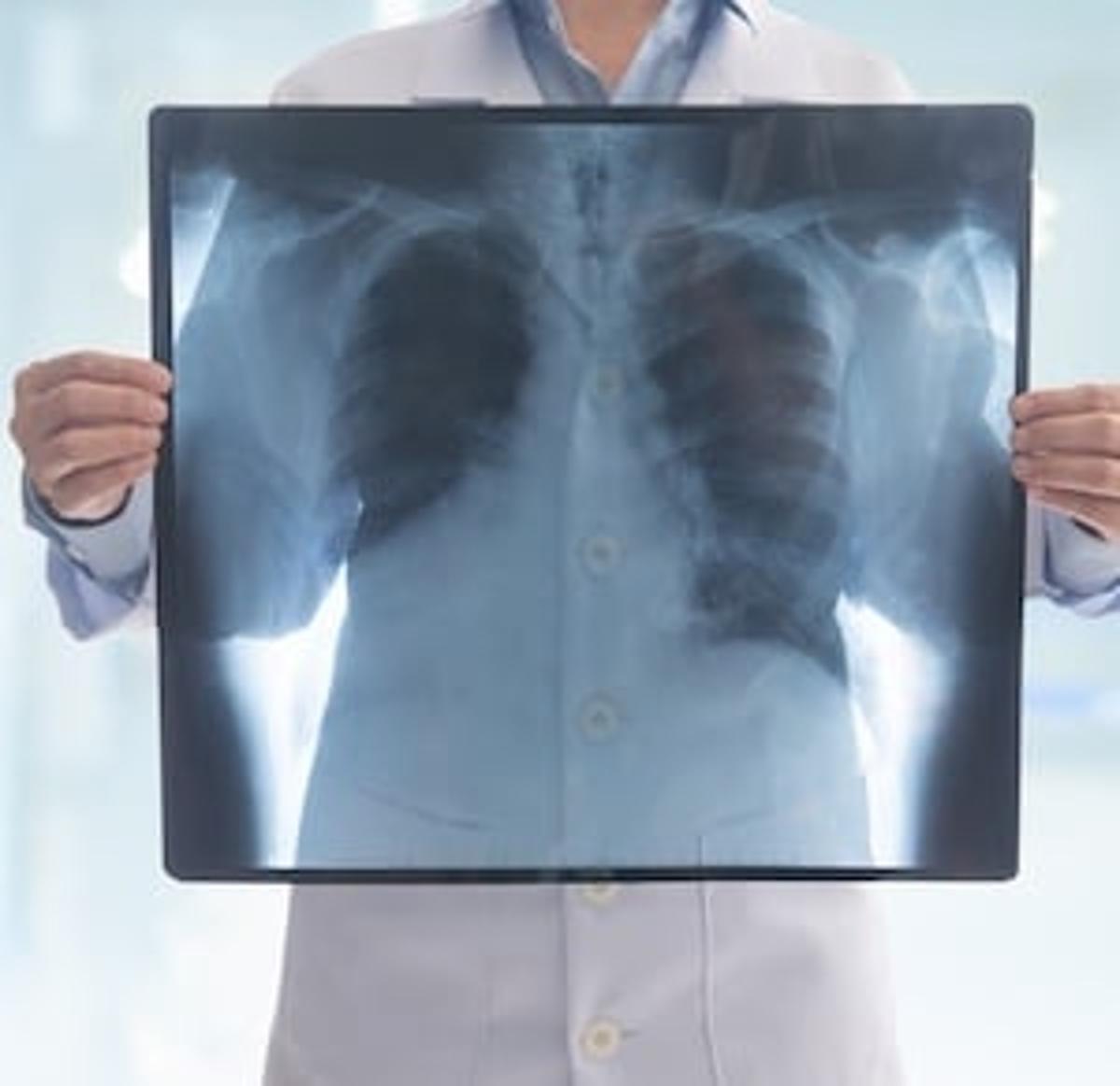
Researchers: FDA-Cleared Chest X-Ray AI Shows Promise in Missed Lung Cancer Detection
Why It Matters
Early lung‑cancer identification can shift treatment from palliative to curative, boosting five‑year survival and lowering overall costs. The study validates the clinical value of FDA‑cleared AI as a real‑world decision‑support tool in radiology workflows.
Key Takeaways
- •qXR‑LN AI raised detection rate to 26.7% on missed CXRs.
- •AI uncovered 40% of early‑stage cancers, 50% of Stage 1A nodules.
- •Most missed nodules occurred in trauma‑focused X‑rays; AI found 66.7%.
- •Median time to diagnosis shortened to 4.8 months with AI assistance.
- •Detected nodules concentrated in left and right upper lobes.
Pulse Analysis
Lung cancer remains the leading cause of cancer death in the United States, and early-stage disease offers the only realistic chance of cure. Conventional chest radiography is inexpensive and widely available, but subtle pulmonary nodules are frequently overlooked, especially in busy emergency departments or when the exam is ordered for unrelated reasons such as trauma. Over the past decade, artificial‑intelligence algorithms trained on large image repositories have shown promise in flagging abnormalities that escape the human eye. The FDA’s clearance of Qure.ai’s qXR‑LN marks the first time a dedicated lung‑nodule detector can be deployed at scale across American hospitals.
The retrospective analysis presented at the ARRS 2026 meeting examined more than a thousand chest X‑rays performed between 2021 and 2025 at University Hospitals Cleveland Medical Center. When the original reads reported no nodules, qXR‑LN identified additional findings in 26.7% of cases, capturing 40% of early‑stage cancers and half of the Stage 1A lesions that later proved malignant. Notably, the algorithm succeeded in two‑thirds of trauma‑focused studies where clinicians were not looking for pulmonary pathology. By cutting the median interval to definitive diagnosis from nearly five months to a fraction of that, AI‑assisted reads could translate into measurable survival gains.
Beyond the raw numbers, the study provides real‑world evidence that regulatory‑cleared AI can function as a safety net without disrupting existing radiology workflows. Integration of qXR‑LN into picture‑archiving systems delivers a second set of eyes instantly, prompting radiologists to revisit equivocal regions before the patient leaves the department. As payers increasingly tie reimbursement to quality metrics such as early cancer detection, hospitals that adopt proven AI tools may gain a competitive edge. Continued prospective trials and cost‑effectiveness analyses will be essential, but the current data suggest that AI‑augmented chest X‑ray interpretation could become a standard component of lung‑cancer screening strategies.
Researchers: FDA-cleared Chest X-ray AI Shows Promise in Missed Lung Cancer Detection
Comments
Want to join the conversation?
Loading comments...