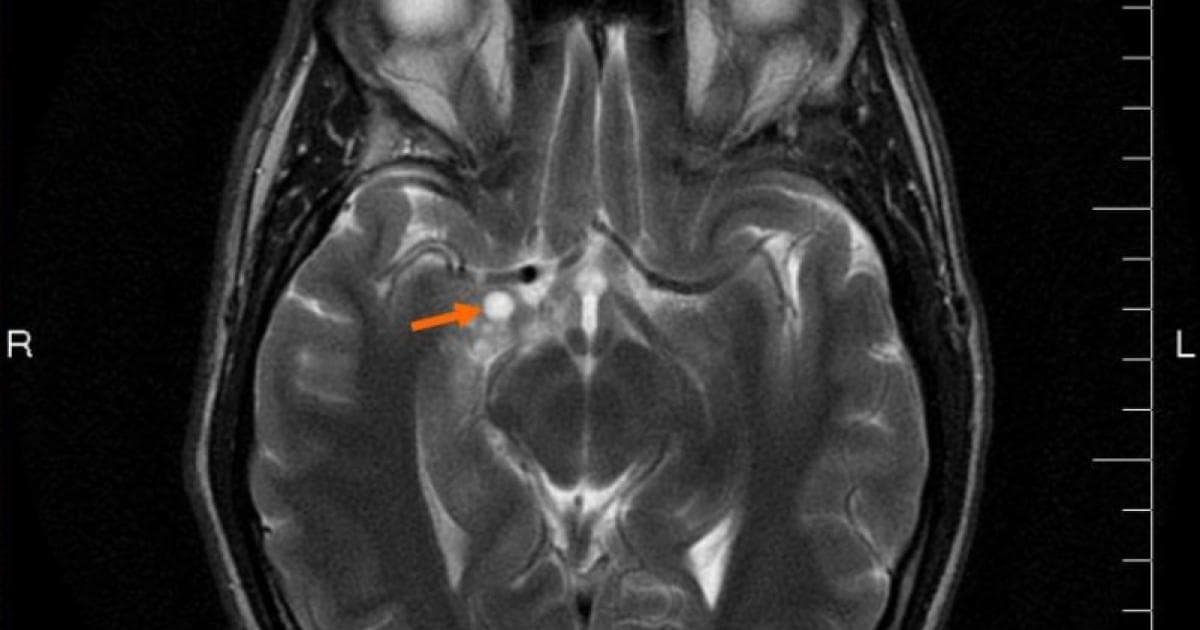
Researchers Land $3.2M Grant to Advance MRI's Role in Diagnosing Glioblastoma
Why It Matters
Early, non‑invasive imaging of tumor infiltration could boost surgical precision and patient survival, addressing a major unmet need in neuro‑oncology.
Key Takeaways
- •$3.2 M NIH grant funds UCLA glioblastoma MRI research.
- •CEST‑EPI maps tumor acidity without contrast agents.
- •Technique detects infiltrative cells missed by standard MRI.
- •Improved imaging may extend survival for aggressive brain tumors.
Pulse Analysis
Glioblastoma remains one of the deadliest central‑ nervous system cancers in the United States, affecting roughly three percent of the population and delivering a dismal 18‑month survival rate of under seven percent. The tumor’s hallmark is rapid, diffuse infiltration into surrounding brain tissue, which often eludes conventional imaging and hampers surgical resection. Clinicians therefore rely on a combination of biopsy, contrast‑enhanced MRI, and intra‑operative navigation, yet these tools frequently miss microscopic disease. The urgent clinical gap has spurred a wave of research aimed at molecular‑level imaging that can reveal the tumor’s hidden margins before patients undergo invasive procedures.
In response, the National Institutes of Health awarded a $3.2 million grant to a multidisciplinary team at UCLA’s Jonsson Comprehensive Cancer Center, led by neurosurgeon Dr. Kunal Patel and imaging scientist Dr. Benjamin Ellingson. Their focus is on Chemical Exchange Saturation Transfer with Echo‑Planar Imaging (CEST‑EPI), a pH‑based molecular MRI method that visualizes tissue acidity—a surrogate for metabolic activity—without injecting gadolinium or other contrast agents. By mapping subtle acidity gradients around the tumor, CEST‑EPI can highlight infiltrative cancer cells that standard T1‑weighted or diffusion scans overlook, offering a more precise map for surgeons and oncologists.
If successful, the technique could transform the diagnostic pathway for glioblastoma, enabling earlier intervention, more accurate surgical margins, and personalized treatment planning. Such advances align with broader oncology trends toward non‑invasive biomarkers and real‑time imaging feedback. Moreover, the grant’s emphasis on translational research bridges laboratory discoveries with clinical trials, accelerating the path from prototype to bedside. Stakeholders—from pharmaceutical developers seeking better trial endpoints to hospitals aiming to improve outcomes—stand to benefit from a reliable, contrast‑free imaging modality that directly addresses the disease’s most lethal characteristic: its hidden spread.
Researchers land $3.2M grant to advance MRI's role in diagnosing glioblastoma
Comments
Want to join the conversation?
Loading comments...