ResMed Completes Noctrix Health Acquisition, Adding RLS Therapy to Sleep‑health Portfolio

Companies Mentioned
Why It Matters
The acquisition gives ResMed a foothold in the restless‑legs syndrome market, an area with high unmet need and limited non‑drug options. By integrating TOMAC therapy into its connected‑care ecosystem, ResMed can offer clinicians a single data hub for multiple sleep disorders, improving diagnostic accuracy and treatment adherence. The move also signals a broader industry shift toward combining wearable therapeutics with cloud‑based analytics, accelerating the convergence of medical devices and digital health. For patients, the deal promises wider access to a clinically validated, non‑pharmacologic therapy that can be delivered at home, reducing reliance on medication and its associated side‑effects. For investors, the expansion diversifies ResMed’s revenue streams and may boost long‑term growth as insurers increasingly reimburse digital‑first sleep solutions.
Key Takeaways
- •ResMed completed acquisition of Noctrix Health, making it a wholly‑owned subsidiary.
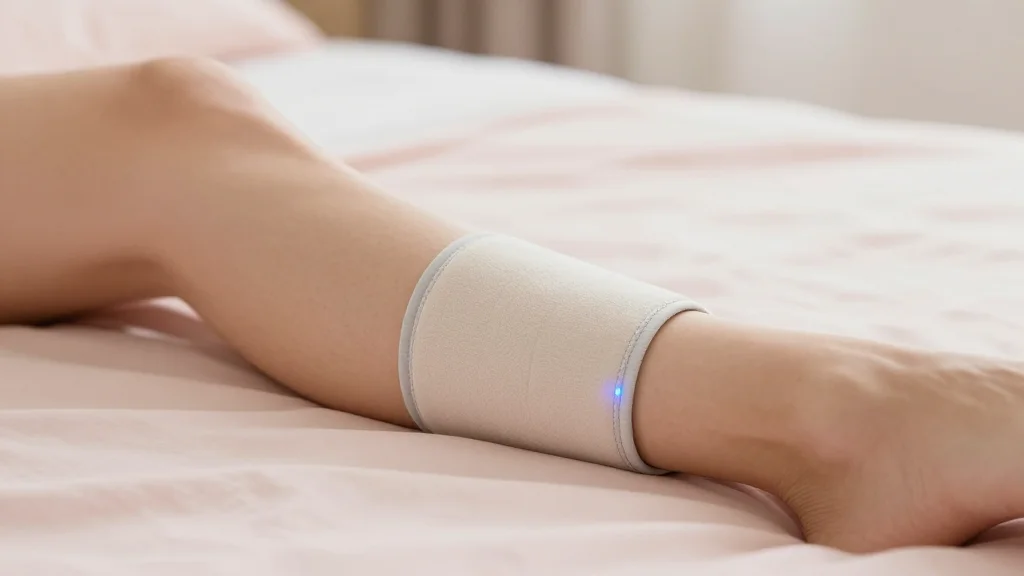
- •Adds FDA De Novo‑cleared Nidra™ TOMAC therapy for moderate‑to‑severe RLS to ResMed’s portfolio.
- •RLS affects roughly 8% of adults and is the third most common sleep disorder.
- •Noctrix’s therapy is backed by 10 peer‑reviewed publications and AASM guideline inclusion.
- •Integration aims to combine wearable RLS treatment with ResMed’s cloud‑connected sleep devices.
Pulse Analysis
ResMed’s purchase of Noctrix Health reflects a strategic pivot from a pure device maker to a broader digital‑health platform. Historically, ResMed built its moat around CPAP technology and a subscription‑based data service for sleep apnea. By acquiring a wearable therapeutic that targets a different physiological pathway, the company is hedging against market saturation in apnea and positioning itself as a one‑stop shop for sleep‑related disorders. This mirrors moves by other med‑tech giants that have bundled diagnostics, therapy and analytics to lock in provider relationships and secure recurring revenue.
The RLS market, while smaller than sleep apnea, offers attractive growth potential because of its chronic nature and the lack of effective non‑drug treatments. Noctrix’s FDA De Novo clearance provides a regulatory advantage; the pathway is less burdensome than a full PMA, allowing faster market entry. ResMed can leverage its existing sales force, which already serves sleep clinics and home‑care providers, to accelerate adoption. However, success will hinge on reimbursement negotiations—RLS therapies have historically faced mixed coverage decisions. If ResMed can secure favorable payer contracts, the combined platform could generate a new, high‑margin revenue stream.
Competitive dynamics also shift. Philips Respironics has been expanding its sleep‑health software suite, while Apple’s Watch now tracks leg movements during sleep, hinting at future consumer‑grade RLS monitoring. ResMed’s advantage lies in its clinical credibility and integrated hardware‑software stack, but it must move quickly to demonstrate real‑world outcomes. Early data on adherence, symptom reduction and cost‑effectiveness will be critical to convince both clinicians and insurers. In sum, the acquisition is a calculated bet on the convergence of wearables and cloud analytics, and its payoff will depend on execution across regulatory, commercial and reimbursement fronts.
ResMed completes Noctrix Health acquisition, adding RLS therapy to sleep‑health portfolio
Comments
Want to join the conversation?
Loading comments...